
The EV-ACS3205PE earns its keep moving between sites, so storing it well is a between-jobs routine, not a shelf ritual. After the last session: unplug the car first, then the wall plug; coil the cable in wide loops while you check it; protect both ends — the Type 2 connector and the CEE plug’s pins; and put the unit away dry. In the vehicle it travels secured in its case or bag, never loose under other kit. Repeated at every job, that is what decides how long the cable and its ends stay serviceable.
Key Takeaways
- Storage for a working portable is a between-jobs routine: unplug in order, coil wide, cover both ends, store dry.
- The CEE plug needs the same protection as the car connector.
- In a work vehicle it travels secured in its case, away from tools and loads.
- IP66 covers dust and water, not storage temperature; the manual’s range governs.
Putting It Away After a Job
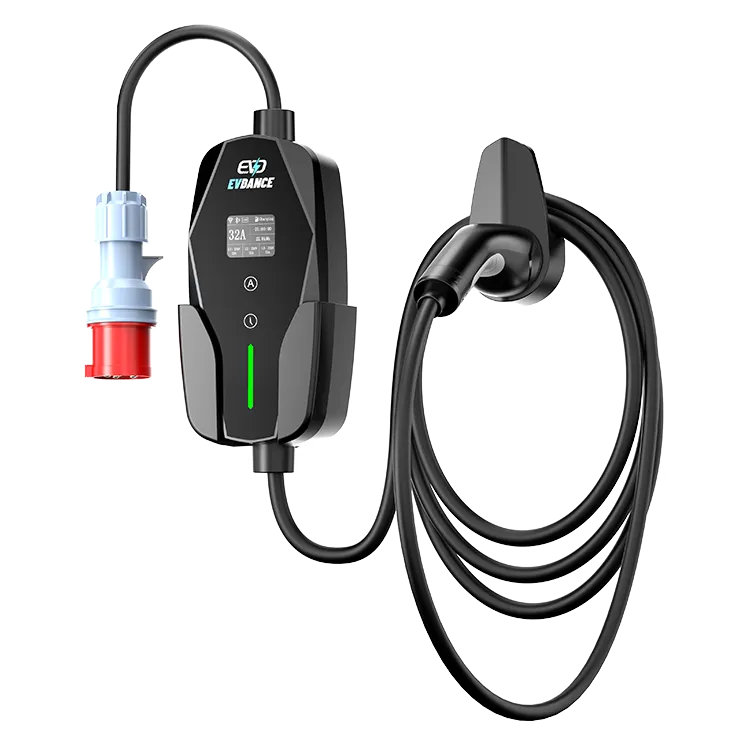
- Unplug in order. End the session, take the Type 2 connector out of the car, then the CEE plug out of the socket — never carry the unit by its cable.
- Inspect as you coil. Run a hand along the jacket as the loops form: cuts or crushed spots get noticed now, not at the next site.
- Coil wide. Large loops following the cable’s natural curve. A tight coil held for days is how jackets take a set — part of what decides how long a charging cable lasts.
- Wipe, then cover both ends. Grit off the connector face and the CEE pins first, then cap or cover them — sealing dirt in is worse than leaving it visible.
Two Ends, Two Different Risks
| Part | What threatens it between jobs | The habit that answers it |
|---|---|---|
| Type 2 connector | Grit and moisture on the contacts; drops and footsteps in a busy bay | Cap it, and rest it on top of the coil — never face-down on the ground |
| CEE plug | Bent pins; dirt carried into the next site’s socket | Keep it covered in transit; check the pins are straight and clean before the next session |
| The cable run | Tight bends in storage; oil and fluids on workshop floors; being driven over | Wide coils, stored clear of traffic paths and spills |
| The display | Knocks from tools and cargo sharing a work vehicle | Travels in its case or bag, display side protected |
In the Vehicle, and Back at Base
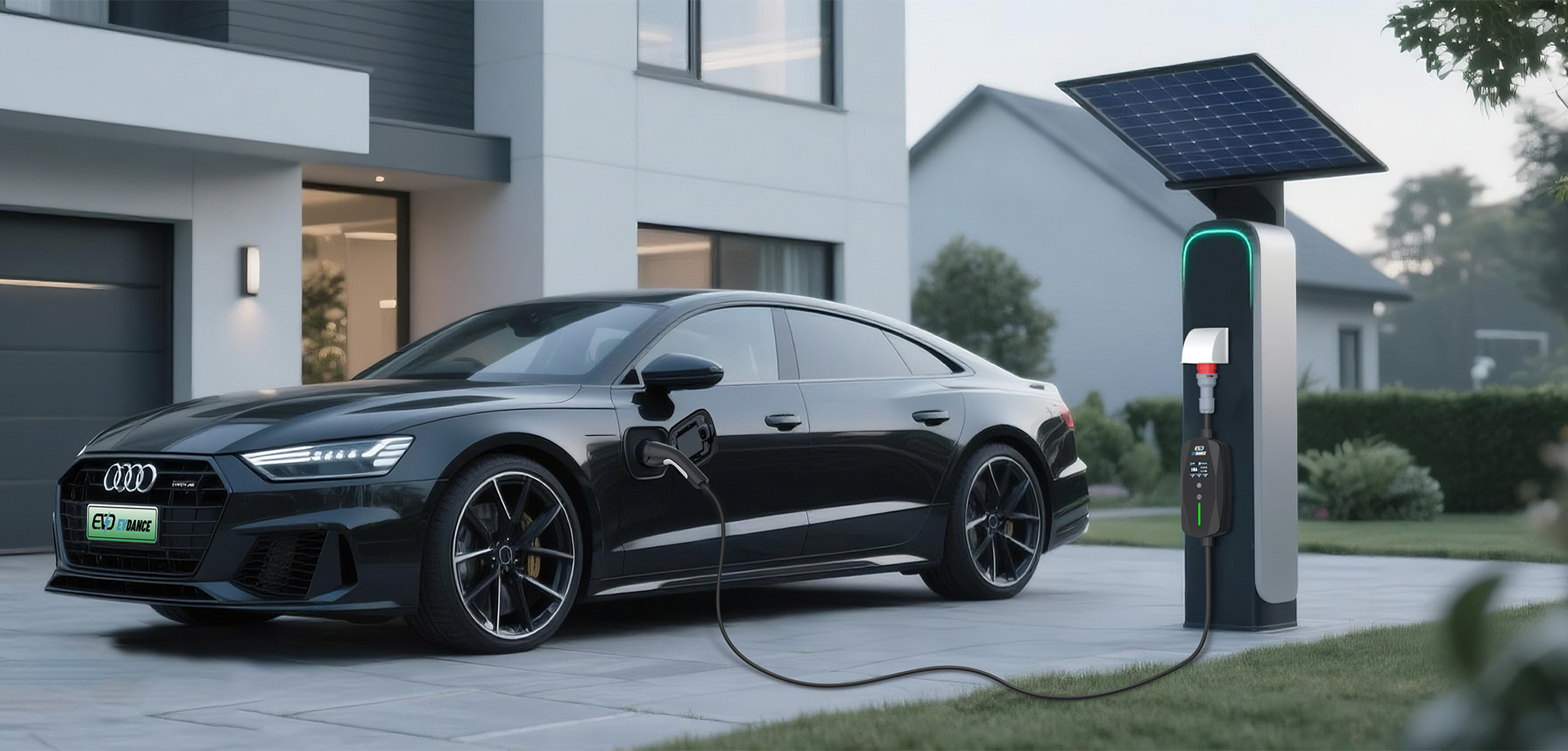
A work vehicle is a harder home than a family car’s trunk: tools, parts and loads share the space and move under braking. Treat it like any other work equipment: case secured against a side wall or strapped down, nothing heavy stacked on top, sharp kit in a different corner. A unit that slides around arrives with the damage the routine exists to prevent.
At base, the shelf rules are simple: dry, off the floor, indoors where possible. Read the IP66 rating honestly — it means the enclosure is sealed against dust and powerful water jets, as our guide to portable charger IP ratings explains; it is not a storage-temperature promise. How much heat or cold this unit tolerates in storage is stated in its manual, and that range governs: a vehicle parked through a heatwave or a hard freeze for days means the unit comes indoors.
A Quick Look Before the Next Session
Four checks, all visible, as the unit comes out at the new site: the jacket sound along its length; pins at both ends clean, straight and dry — a dirty connector gets cleaned before it meets a car, as our connector cleaning guide shows; the connector face clear; the display lighting normally on power-up. Anything damaged — a torn jacket, a bent pin, a dead display — stops there: out of service until the maker or an electrician answers for it.
The unit in this routine is the EV-ACS3205PE: a 22 kW three-phase portable, 32 A at 380–400 V, CEE 5-pin plug, Type 2 vehicle connector, a 1.77-inch display and an IP66 enclosure, made by EVDANCE (Shenzhen, founded 2011) with a 3-year standard warranty.
Frequently Asked Questions
Can it live in the work van permanently?
Yes, provided it rides secured in its case, capped at both ends and dry. The exception is long spells in temperature extremes beyond the manual’s stated range — then the unit comes indoors.
Does the CEE plug end really need protecting too?
Yes: its pins carry dirt into the next site’s socket and bend if knocked. Covered in transit, checked before use.
The cable has been driven over and the jacket is cut. Can I tape it and carry on?
No. A damaged cable comes out of service — taping a jacket is not a repair. The maker, or a qualified repair route, decides whether it works again.
Related Reading
- How Long Do EV Charging Cables Last, and Can They Be Repaired?
- How to Clean an EV Charger Connector
- Are Portable EV Chargers Waterproof? IP Ratings Explained for Drivers

