
Island and remote communities often have small or fragile grids, sometimes fed by diesel or a single line, so high-power DC chargers can be hard to connect. A compact DC charger such as the EV-RHDC30K-L, rated at 22 kW, offers faster-than-AC charging with a load the grid operator can usually plan for. Pairing it with load limits, scheduling and, where justified, on-site battery storage keeps it within what the network can supply.
Key Takeaways
- Compact DC suits grids that cannot support high-power chargers.
- Engage the grid operator before ordering.
- Load limits, scheduling and storage keep demand manageable.
- Remote monitoring reduces costly site visits.

Why Weak Grids Need a Different Approach
| Constraint | What it means | Response |
|---|---|---|
| Limited connection capacity | Large chargers may need costly upgrades | Choose modest-power equipment |
| Voltage fluctuation | Long lines and small generators vary in voltage | Confirm the charger’s input tolerance with the supplier |
| Generation mix | Diesel or variable renewables | Schedule charging when generation is available |
| Peak sensitivity | A few large loads can cause problems | Load limits and staggered sessions |
| Remote servicing | Technicians may be days away | Remote monitoring and spares on hand |
Talk to the Grid Operator Early
Ask the local network or utility how much capacity is available at the proposed site, whether time restrictions apply, and what technical requirements the connection must meet. The answers decide whether a 22 kW unit can run at full power all the time or needs a limit at certain hours. Read load calculation basics.
Making the Most of Limited Power
- Load limits: set a maximum charging power through OCPP charging profiles during community peak hours.
- Scheduling: encourage fleet and resident charging in hours when generation is plentiful, such as midday solar.
- Battery storage: a site battery can charge slowly from the grid and support the charger during sessions, smoothing demand. It adds cost, so model it carefully.
- Mixed AC and DC: AC chargers for overnight use and one DC unit for visitors and urgent needs.
See solar panels and EV chargers for how local generation fits in.
Servicing at a Distance
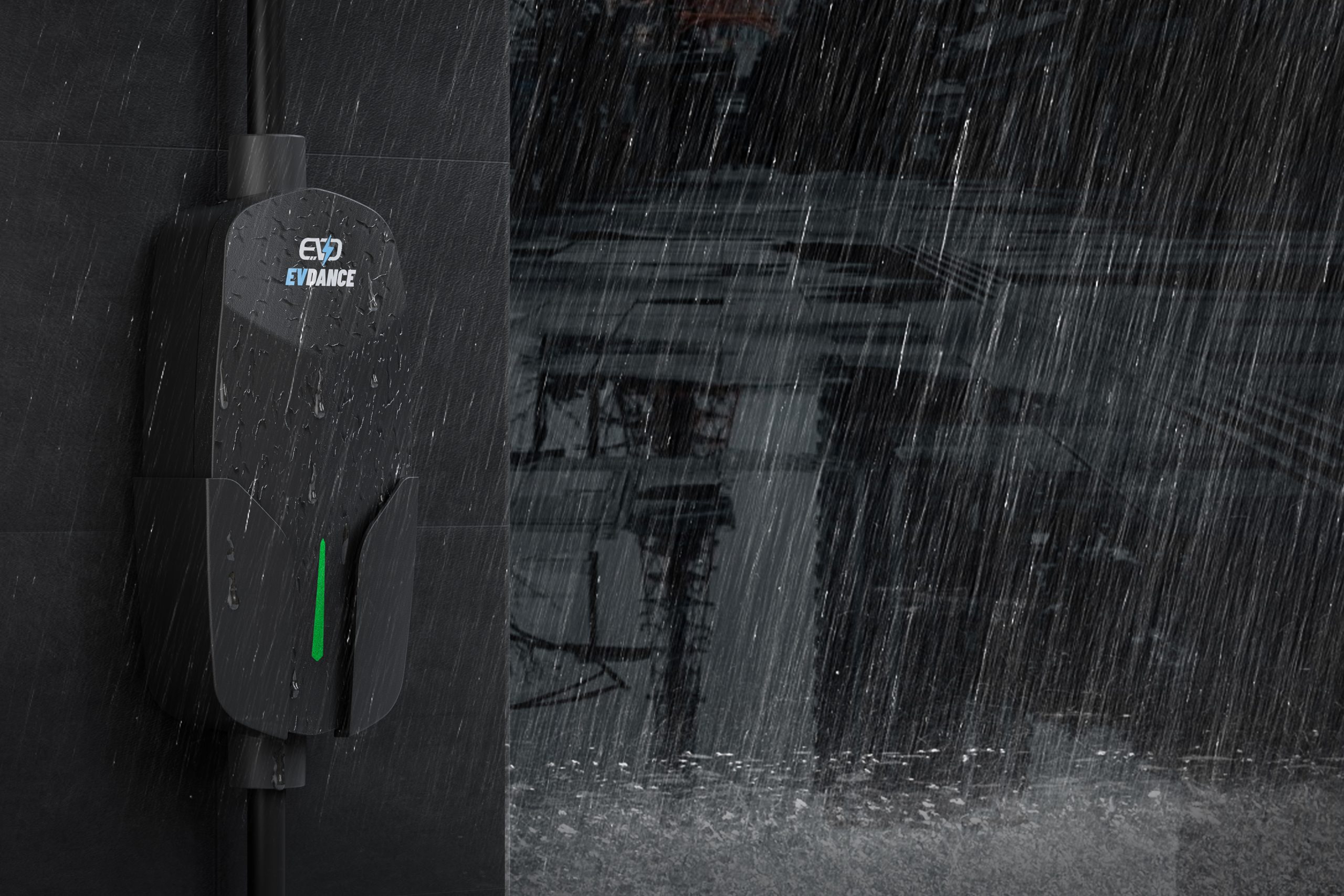
Remote locations make every site visit expensive. Use OCPP remote monitoring and diagnostics, keep key spares locally, and train a local contact for simple checks. Choose equipment rated for the local climate; the EV-RHDC30K-L is listed for operation from −30°C to +50°C. Our guide on maintenance lists routine checks.
The EV-RHDC30K-L is a floor-standing DC charger rated at 22 kW continuous, with a three-phase 380 to 415 V input, single tethered CCS1 connector, IP54 enclosure, OCPP 1.6J with remote diagnostics and a 3-year warranty. The ARENA bidirectional charging roadmap is a useful reference for how vehicles may support remote grids in future.
Frequently Asked Questions
Can remote communities have DC fast charging?
Often, at modest power. A 22 kW DC unit is much easier to connect than 150 kW or more.
Does a site battery help with a weak grid?
It can smooth demand and support charging sessions, but it adds cost. Model the benefit first.
What should I ask the grid operator?
Available capacity, time restrictions and technical connection requirements at the site.
Related Reading
- Adding EV Chargers to a Building: Load Calculation Basics
- Solar Panels and EV Chargers: How to Charge Your Car With Sunshine
- Commercial EV Charger Maintenance Checklist
- Is Bidirectional Charging Available in Australia?

