
A fleet electrification tender is a buyer converting vehicles in classes — vans, service vehicles, buses — and purchasing the depot charging that keeps them working. It is written around duty, not hardware: when each class returns to base, how long it dwells, and how much energy it needs before its next shift. A bid built from the charger catalogue, before the duty pattern is understood, prices the wrong project.
Key Takeaways
- Read a fleet tender in order: vehicle classes as defined, duty pattern per class, hardware last.
- Overnight dwell makes AC the workhorse for vans and service vehicles; buses sit in a separate, higher-power class.
- Delivery is phased with the vehicle programme, and service obligations are priced per phase from your own records.
- EVDANCE covers the light-duty classes and says so; it offers no bus or heavy-duty charging product.
Start With the Vehicle Classes, as the Tender Defines Them
| Vehicle class | Typical duty pattern the tender describes | What the charging has to answer |
|---|---|---|
| Vans and light commercial vehicles | Out on rounds all day, back at the depot overnight | AC charging across the dwell window — every vehicle full by morning, not fast at noon |
| Service and pool vehicles | Irregular use, shared between drivers, must be ready on demand | Access control and session records, so any driver can take any vehicle |
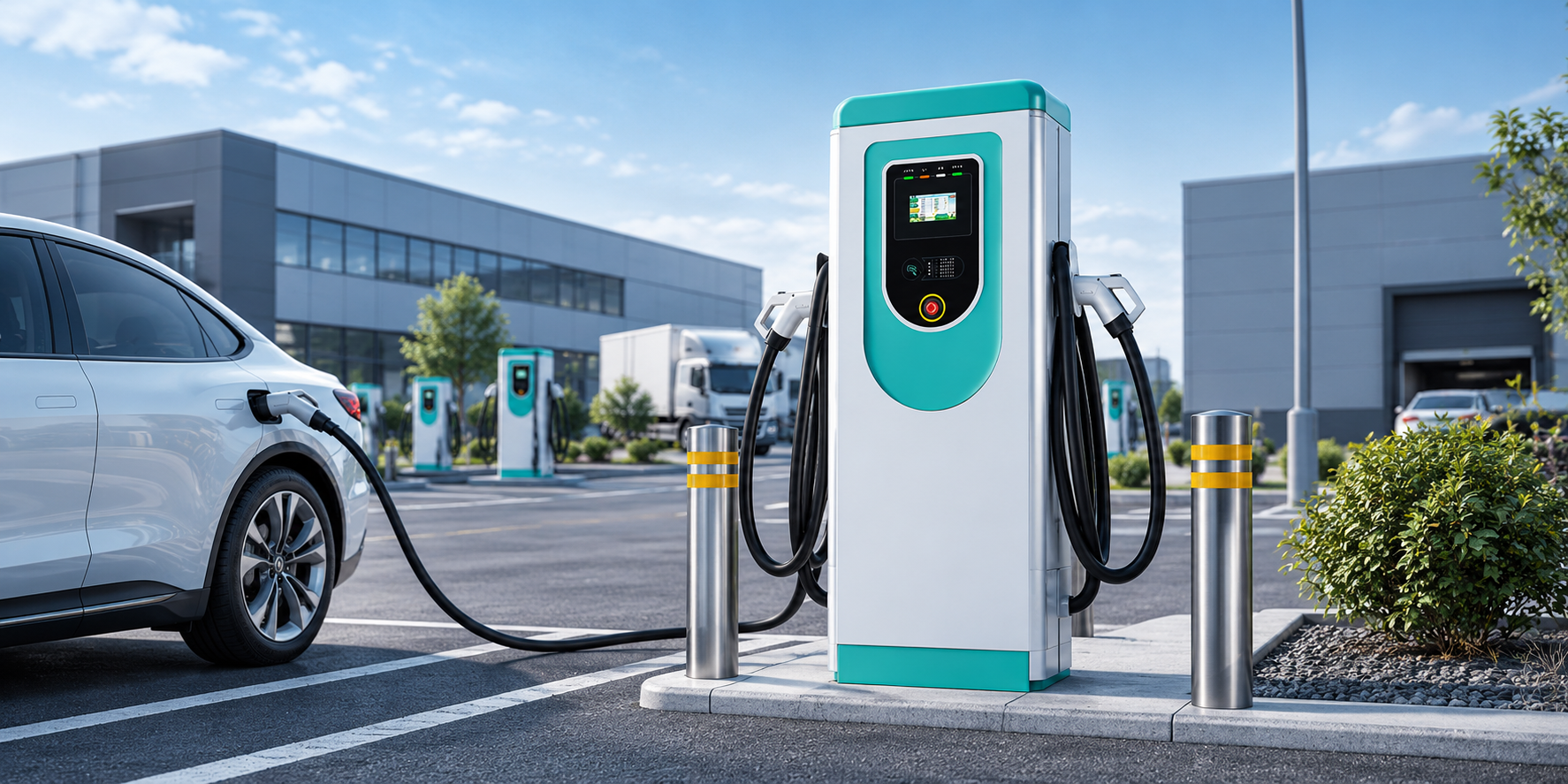
| Buses and heavy vehicles | High daily energy, fixed routes, short turnaround windows | High-power DC specified by the tender — a different hardware class from depot AC |
| Mixed fleets | Several classes on one site, arriving in phases | A phased design: infrastructure for the full plan, chargers fitted per vehicle phase |
The classes and counts in a real tender are the buyer’s own — read them there. What transfers between tenders is the reading order: classes first, duty second, hardware third.
Duty Evidence Decides the Design
Depot charging is sized from evidence: the dwell window, the energy each class uses per shift, and the turnaround the operation can tolerate. A van parked for ten hours does not need fast charging; U.S. DOT figures put Level 2 at 7–19 kW per port, which across an overnight dwell covers most light-duty rounds — the sizing exercise is worked in our guide to fleet depot charging for vans and light commercial vehicles. Bus and heavy duty sits at the other end of the DOT scale, in the 50–350 kW DC fast class. Between the two, the honest move is to separate the classes in the bid: answer each class with the hardware class it actually needs, and say plainly where a specified class is outside your range.
Phased Delivery and Service Obligations
Fleet vehicles rarely arrive at once, and the tender’s delivery schedule follows the vehicle programme: chargers are installed and commissioned in phases matched to vehicle deliveries, often across several depots. The obligations that follow a bidder are equally phased — commissioning records per site, operator training for depot staff, spares held against the installed base, and service years priced from the bidder’s own records. Each is a line in the documents: a response that treats them as one “delivery” promise instead of per-phase commitments fails in year two.
Where EVDANCE Fits — and Where It Does Not
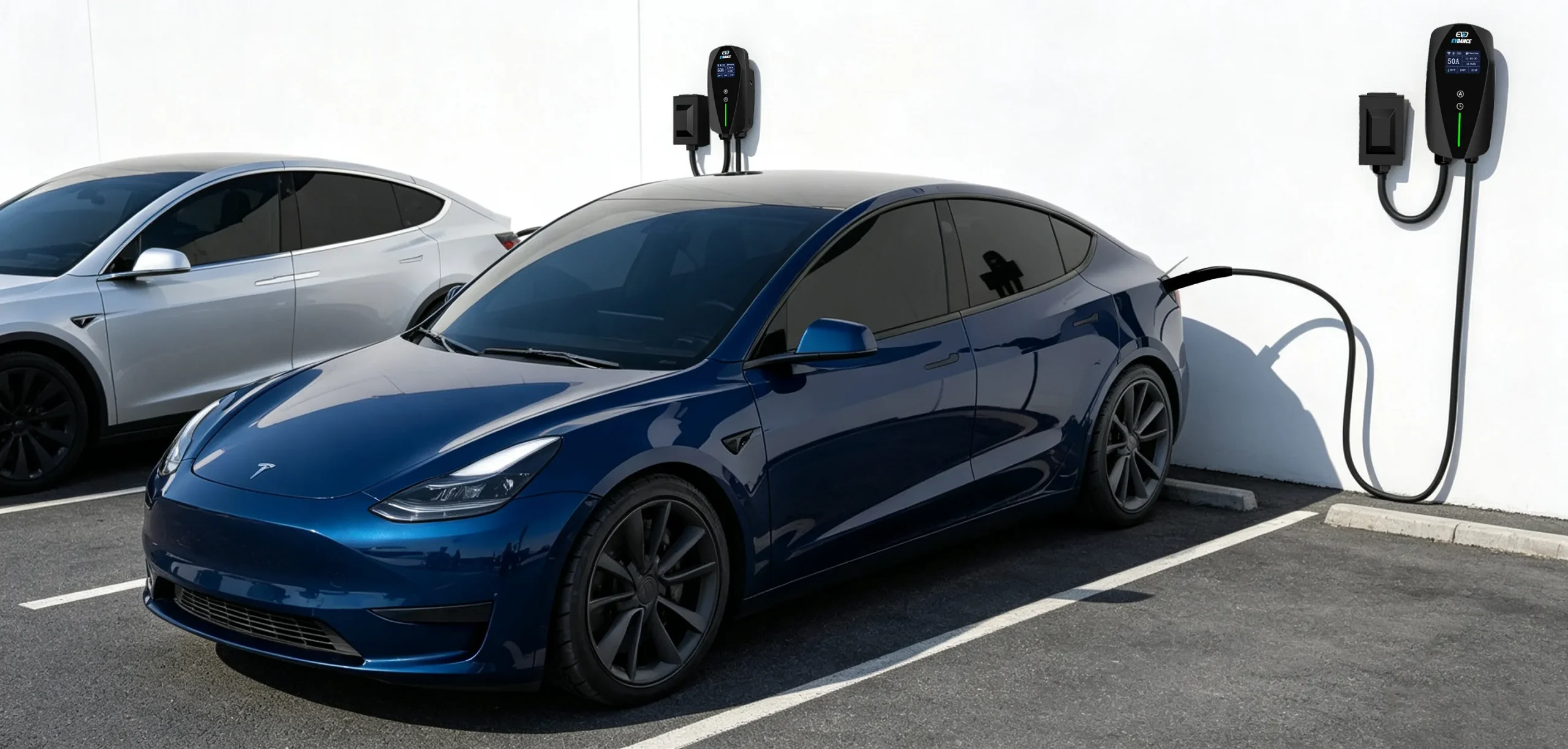
EVDANCE’s stated range is light-duty. For depot AC, the EV-AC03201T dual-connector station serves two bays from one unit — up to 43 kW shared across two Type 2 connectors, OCPP 1.6J, RFID — and the EV-ACT3204PE 22 kW three-phase wallbox covers single bays with RFID and app access. The EV-RHDC30K-L compact DC charger, at 22 kW, suits light-duty top-up duty. EVDANCE offers no bus, pantograph or heavy-duty charging product and no high-power DC: where a tender specifies those classes, that part of the requirement belongs to another supplier, and a consortium bid should say so. EVDANCE was founded in 2011, exports to more than 30 countries and carries a 3-year standard warranty. Fleet enquiries start through the distributor program or contact us.
Frequently Asked Questions
Can one charger type serve a whole mixed fleet?
Rarely. Classes differ in dwell time and shift energy by an order of magnitude: overnight AC serves vans well and buses badly. Competent tenders separate the classes; competent bids answer them separately.
What duty evidence should a bidder ask for?
Return times, dwell windows and daily distance or energy per class, for each depot. If the documents do not state them, they are clarification questions through the channel the tender names — a bid priced on guessed duty is a bid priced on risk.
Does EVDANCE make chargers for buses?
No. EVDANCE’s range covers light-duty AC and compact DC at 22 kW. Bus and heavy-fleet charging is a higher-power class that EVDANCE does not offer, and its bids state that rather than implying coverage.
Related Reading
- Fleet Depot Charging: How to Size AC Chargers for Vans and Light Commercial Vehicles
- How to Plan a Workplace EV Charging Program
- How Much Does It Cost to Install a Commercial EV Charging Station?
- How Do Commercial EV Charging Stations Work?

