
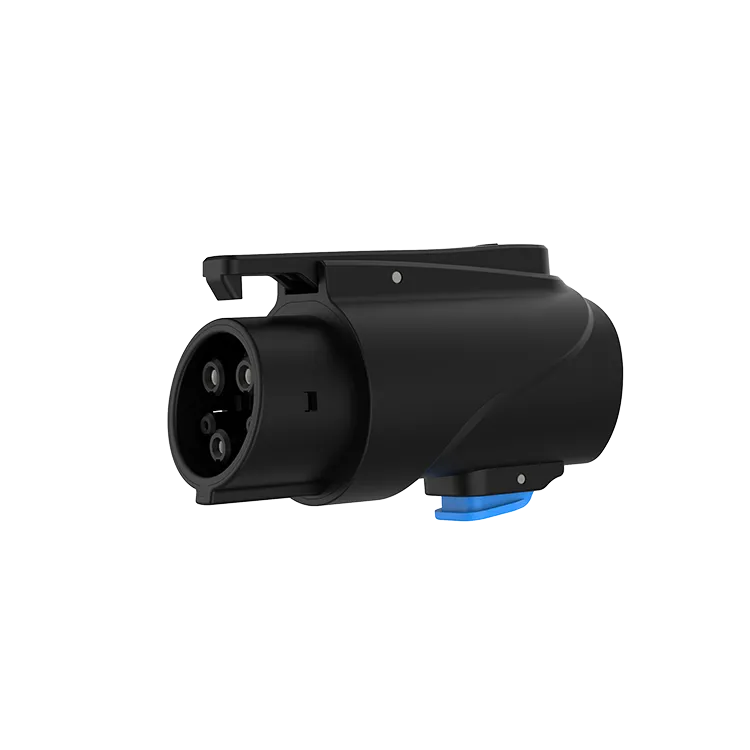
No charging adapter carries a rated service life in years or in plug-in cycles, so there is no honest single number. With no cable to flex and no electronics to age, its life is decided by the condition of its contacts, latch and seals. A certified adapter kept clean and dry can serve for years — and the moment it shows heat damage, it is finished, whatever its age.
Key Takeaways
- Adapters have no rated lifespan; condition, not age, decides retirement.
- Wear concentrates in the contacts, latch, seals and housing — from handling, grit, moisture and heat.
- Heat marks, a loose fit, a failed latch or charging faults that follow the adapter mean replace it now.
- Adapters cannot be repaired — clean, dry, capped storage stretches a good one’s life.
Why There Is No Rated Lifespan
Adapter makers publish power and weather-sealing ratings, but no “replace after X years” figure, and no standard sets one — because wear is driven by use, not by the calendar. An adapter used daily at home and stored indoors lives a different life from one that travels in a damp trunk and gets dropped on concrete. Choosing a certified, correctly rated adapter in the first place is covered in our guide to whether EV charging adapters are safe.
What Actually Wears Out
| Part | What wears it | What you see or feel |
|---|---|---|
| Contact pins and sockets | Every insertion, grit carried in on the connector, corrosion in damp storage | Dull, pitted or green-tinged contacts; a loose fit |
| Latch | Daily locking and release, drops onto hard ground | Play in the lock, or no firm click home |
| Seals (IP-rated ring) | Age, heat, dirt trapped under the seal | Cracked or flattened seal; moisture inside the face |
| Housing | Drops, being driven over, UV outdoors | Cracks, chips, a shell that flexes |
| Internal connections (DC adapters) | Repeated high-current sessions and heat | Discoloration near the contacts; running hot in use |
Almost nothing on that list is about time — wear arrives through handling, dirt, moisture and heat.
Signs That Mean Retire It Now
- Heat marks or discoloration on the housing or around the contacts. Heat means resistance, which only gets worse.
- The adapter feels hot during a session it used to handle coolly. Warm is normal on a big session; hot is a stop signal — the same rule as in our guide to whether EV charging cables get hot.
- A loose fit or a latch that does not lock. A connector that can move under load can arc.
- Cracks, water inside the face, or visible corrosion on the contacts.
- Charging faults that follow the adapter — sessions that fail with it and succeed without it.
Adapters are not repairable parts. There is no approved way to restore worn contacts, a tired latch or a failed seal, so a worn adapter is replaced, not serviced — the same replace-don’t-repair rule that applies to the cable assembly itself, as our article on how long EV charging cables last explains.
Habits That Decide How Long Yours Lasts
- Keep the protective caps on in storage, and store it dry — a case in the car beats a damp trunk corner.
- Seat it clean: a quick look at both faces keeps grit out of the contacts.
- Support the cable’s weight instead of letting it hang off the adapter at an angle.
- Never charge through a damaged adapter, and never stack two adapters to reach a fit — stacking is unsafe at any age, as is mixing AC and DC parts, which are entirely different components, as our CCS explainer sets out.
EVDANCE Adapters
The EVDANCE JT02 NACS-to-J1772 adapter covers AC charging at up to 80 A and is rated IP65, so its seals join the inspection routine above. For DC fast charging, the EVDANCE JT09 NACS-to-CCS1 DC adapter is rated up to 500 A and IP66 — and because DC sessions push far more current through the contacts, heat checks matter even more. Use DC adapters only where your automaker approves them.
Frequently Asked Questions
How many charges should an adapter survive?
No maker publishes a cycle rating you can plan around, so judge by condition, not by count. Clean, bright contacts, a firm latch and intact seals mean serviceable; the retirement signs above mean finished, even if the adapter is new.
Does an adapter wear out faster on DC fast charging?
DC sessions run far higher currents, so contact condition and heat matter more, and a marginal adapter shows it sooner. Inspect a DC adapter’s faces regularly and retire it if it runs hot or discolours.
Can a worn adapter damage my car or charger?
A poor contact can overheat and damage the connector it plugs into — a far more expensive repair than a replacement adapter. Retiring a suspect adapter early is the cheap option.
Related Reading
- Are EV Charging Adapters Safe?
- How Long Do EV Charging Cables Last, and Can They Be Repaired?
- Is the Tesla Charger NACS? NACS, J3400 and Adapters Explained
- How Long Do Home EV Chargers Last?

