
A 3-pin plug charges at Level 1 pace — about 1 kW, adding roughly 2–5 miles of range per hour on U.S. DOT figures — so a full charge takes a day or more. But almost nobody charges from empty to full. The number that plans your week is the 20-to-80 percent window, and that is simple division once you know your battery size and your lead’s stated draw.
Key Takeaways
- A 3-pin plug delivers about 1 kW — 2–5 miles of range per hour — so plan in windows, not full charges.
- The working sum is: battery size × your charge window ÷ your lead’s stated draw.
- A 20–80 percent charge on a 60 kWh battery is about 36 hours at 1 kW — three to four nights.
- If nightly miles beat the nightly return, the fix is a 240 V supply, not a faster setting on the same plug.
The Only Three Numbers You Need
- Your battery’s size. Stated in the car’s documents, in kWh — the tank you are filling a slice of.
- The window you charge in. Most drivers live between about 20 and 80 percent, so a normal charge is 60 percent of the battery.
- Your lead’s stated draw. Printed on the unit by its maker. That figure — not a number from another country’s plug — is the delivery rate your maths should use. A U.S. household-plug lead sits in the about-1 kW class; other markets’ leads state their own.
Time is then just energy divided by delivery: the kWh in your window, divided by the kW your lead delivers.
The 20-to-80 Percent Table
| Battery size | Energy in a 20–80% charge | At about 1 kW |
|---|---|---|
| 40 kWh | 24 kWh | About 24 hours |
| 60 kWh | 36 kWh | About 36 hours |
| 75 kWh | 45 kWh | About 45 hours |
These are simple divisions before charging losses, so treat them as the floor, not a promise. Spread across nights the picture is friendlier: at 2–5 miles of range per hour, a 10-hour session returns roughly 20–50 miles — which is why, as our comparison of Level 1 vs Level 2 vs DC fast charging shows, a 3-pin lead works as a top-up tool that keeps pace with a modest commute, not as a refill tool after a long trip.
A Worked Example, With Its Assumptions Showing
Take a 60 kWh car charged between 20 and 80 percent: that window holds 36 kWh. A lead delivering about 1 kW needs roughly 36 hours to fill it — three to four overnight sessions, not one. A higher stated draw finishes sooner, a bigger battery takes longer, and losses stretch every figure a little. If your lead’s label states a different draw, divide by that instead — the method is the answer, not any single row of the table.

Why the Last Stretch Feels Even Slower
Cars ease off the charge rate as the battery approaches full, so the final percent takes disproportionately long on any charger — and on the slowest charger it is the worst use of the hours available. Planning around the 20–80 window is how the plug’s limited hours buy the most range. Whether the pattern suits you long-term depends on your miles, which is the question our guide to charging from a normal socket takes up, along with how portable chargers depend on the outlet.
When the Window Maths Says Too Slow
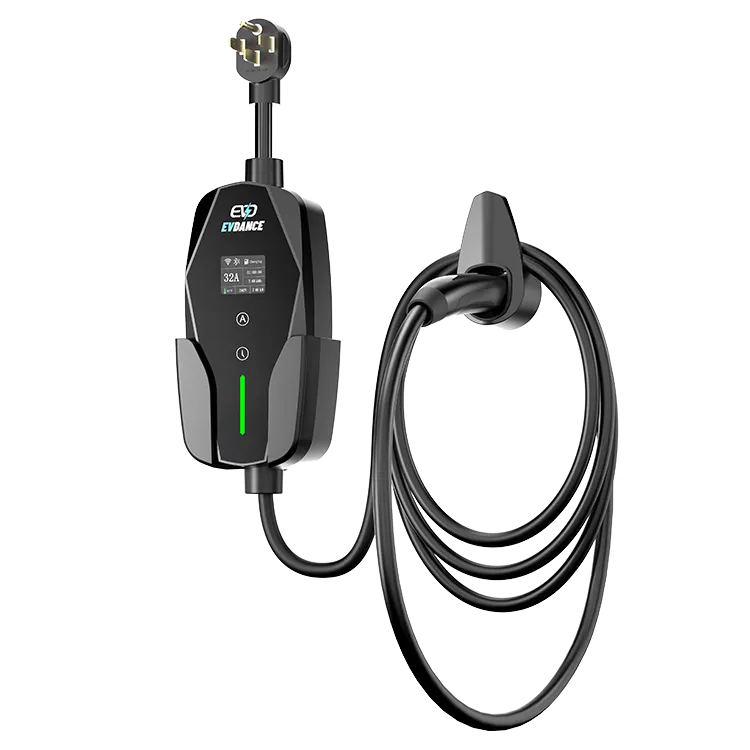
If your nightly miles regularly exceed what an overnight session returns, the supply has to change. A portable charger on a proper 240 V circuit is the usual step: the EV-ACS3210T 32A NACS portable charger delivers about 7.7 kW where the circuit supports it, turning the same 36 kWh window into a single evening. The 3-pin lead then goes back to the job it is good at: travel, visitors and emergencies.
Frequently Asked Questions
How long does a 3-pin plug take to charge an EV from empty?
At about 1 kW, roughly as many hours as the battery holds kWh — about 40 hours for a 40 kWh battery, more for a larger one, before losses. That is why drivers plan around partial windows instead.
Is a UK 3-pin plug faster than a U.S. one?
Both sit in the same slow class of charging. What matters is the draw your own lead states on its label — read that figure and divide your window’s kWh by it, rather than borrowing a number from another market’s plug.
Can I make a 3-pin lead charge faster with a different setting?
No. The socket class is the ceiling, and the lead’s stated draw already reflects it. Speed comes from a different supply — a 240 V circuit — not from asking more of a household plug.
Related Reading
- Level 1 vs Level 2 vs DC Fast Charging: A Practical Comparison
- Can I Charge an Electric Car From a Normal Socket?
- Do Portable EV Chargers Work? How Speed Depends on the Outlet
- Can I Leave a Level 1 Charger Plugged In All the Time?

