
The JT02’s product description lists silver-plated copper contacts, and that line matters more than most of the specification. Every amp of every session crosses the adapter’s contact faces, for hours at a time. What those faces are made of decides how the joint carries current — and how it ages after years of plugging in.
Key Takeaways
- Every session’s current crosses the adapter’s contact faces, crowded into small real contact areas — that joint is where heat would start.
- Copper carries the current; silver plating guards the surface against the oxide film that raises resistance and heat.
- The listing states the JT02’s construction; the material behaviour behind the choice is general physics, not a product test claim.
- Your half is seating, cleanliness and inspection — and retiring the adapter when the faces show damage.
The Joint Every Amp Has to Cross
An adapter is two joints, not one: charger plug to adapter, adapter to car inlet. At each joint, two metal faces press together, and under a microscope they touch only at scattered high spots — the real contact area is far smaller than it looks. All of the session’s current crowds through those spots. Where current crowds into a small area, resistance concentrates, and heat follows resistance. That is why contact quality is the safety story of any adapter: a joint that starts clean, flat and fully seated keeps its resistance low, and a low-resistance joint is a cool joint. The wider checklist around an adapter — rating, certification, condition — is set out in our guide to whether EV charging adapters are safe.
Copper Carries the Current; Silver Guards the Surface
The two metals in the JT02’s stated construction split the work:
| Part of the contact | Its job |
|---|---|
| Copper core | Carries the current. Copper is among the best common electrical conductors, which is why contact cores are made from it. |
| Silver plating | Protects the surface. It shields the copper beneath from the air, so the face the current crosses stays a clean, low-resistance metal face. |
The problem the plating answers is oxidation. Bare copper reacts with air and grows an oxide film, and that film conducts poorly — so on an unprotected face, resistance rises exactly where the current is most crowded, and the joint runs warmer as it ages. Silver is also an excellent conductor, and its own surface compounds conduct far better than copper oxide does, so a silver-plated face keeps its low resistance instead of filming over. This is general material behaviour, not a laboratory result for one product — the listing states the construction; the physics is why makers choose it. The plating is thin and functional rather than decorative — the copper does the carrying; the silver keeps the doorway clean.

The Half You Control: Seating and Condition
Material sets the ceiling; handling decides how close you stay to it.
- Seat the adapter fully, on both sides. A partial mate shrinks the contact area and concentrates the current further.
- Keep the faces clean and dry. Wipe grit off before connecting; dirt between faces is resistance you added yourself.
- Retire a damaged adapter. Heat discoloration, a scorch smell, pitting or a loose, sloppy fit means the joint is no longer the one that was rated. Stop using it.
- Never open or service it — there are no user-serviceable parts inside, and abrasives strip the very plating this article is about.
The JT02’s Stated Construction
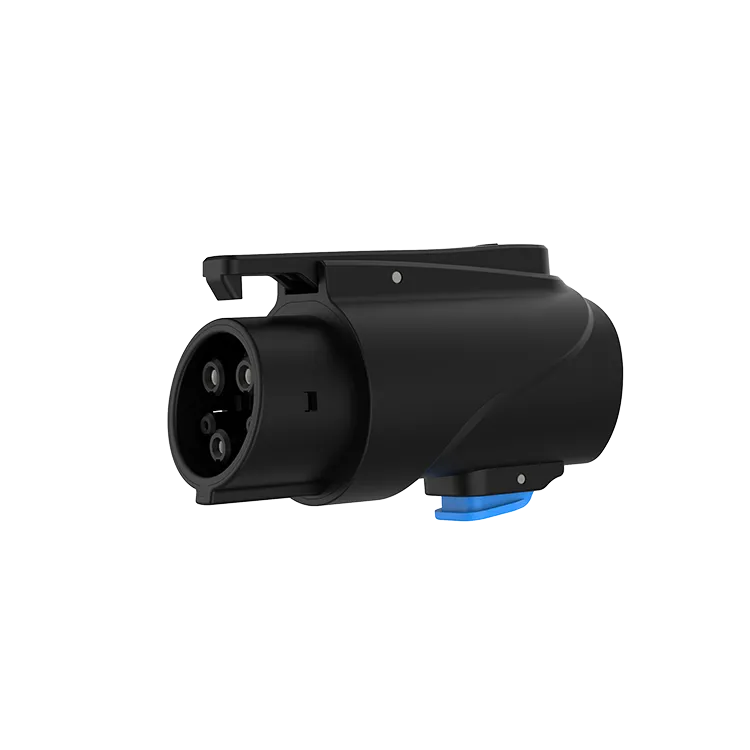
The EVDANCE JT02 NACS-to-J1772 adapter is listed with silver-plated copper contacts, for AC charging up to 80 A at AC 250 V, with an IP65 rating. Read together: a ceiling above every home session, contact faces built to stay low-resistance across years of daily mating, and sealing for outdoor use. It remains an AC adapter — for home wallboxes and destination chargers, never for Superchargers. The connector standards it bridges are explained in our guide to what J1772 is.
Frequently Asked Questions
Are adapters without silver plating unsafe?
That is not the claim here. Contact material is one part of a rated design; any adapter should be judged on its rating, its certification by a recognised testing laboratory, and its condition. The JT02’s listing states its material, and this article explains the reasoning behind that choice.
Can I clean the contacts with a wire brush or fine sandpaper?
No. Abrasives strip plating and score the faces, which makes the joint worse, not better. A dry wipe is the limit of user care. A scored, pitted or heat-marked contact face is a replacement decision, not a cleaning job.
Does the plating wear out over time?
It is a surface layer, so years of mating cycles — and any damage — wear it. That is what your inspection is for: as part of a normal routine, look at the faces. Discoloration, pitting or a fit that has gone loose ends the adapter’s service life.
Related Reading
- Are EV Charging Adapters Safe?
- What Is J1772? The North American EV Plug Explained
- Is the Tesla Charger NACS? NACS, J3400 and Adapters Explained

