
A fleet that relies on NACS fast chargers with DC adapters needs a short written policy: which vehicles are approved, how adapters are issued and logged, what drivers inspect before use, how damage is reported, and how adapters come back. With the JT08 and JT09, the first rule is that each vehicle model must be approved by its automaker for DC adapter use, and each station must be open to that vehicle.
Key Takeaways
- Approve vehicles by automaker guidance before issuing adapters.
- Log adapters by serial number against vehicles or drivers.
- Brief drivers on inspection, access checks and AC/DC differences.
- Retire damaged adapters and keep spares.
The Policy at a Glance
| Step | What happens | Owner |
|---|---|---|
| Approval | List vehicle models approved by their automakers for DC adapter use | Fleet manager |
| Issue | Assign each adapter to a vehicle or driver, with serial number | Fleet admin |
| Training | Brief drivers on connection order, inspection and AC/DC differences | Fleet manager |
| Pre-use check | Driver inspects pins, housing, seals and latch | Driver |
| Damage report | Driver reports damage and stops using the adapter | Driver, then fleet admin |
| Return | Adapter returned with the vehicle or at the end of assignment | Driver |
| Periodic audit | Count, inspect and retire worn units | Fleet admin |
Issue to Vehicles or Drivers?
- To vehicles: the adapter stays in the car, in a fixed pouch. Simple, and nothing gets forgotten.
- To drivers: useful when drivers swap vehicles, but adapters are easier to lose.
- Pool at the depot: check-out and check-in at a desk, suited to occasional long trips.
Most fleets with regular trips keep one adapter per approved vehicle.
Driver Briefing Essentials
- Confirm the station is open to the vehicle before plugging in.
- Inspect the adapter every time.
- Never use an AC adapter at a DC station, or vice versa.
- Report any error code, heat or damage straight away.
- Store the adapter capped and in its pouch.
Our guides on using a DC fast charger and adapter safety can form part of the briefing.
Records and Costs
Log adapter serial numbers against vehicles and record damage reports. Charging costs from network apps can be assigned to vehicles or cost centres. Read fleet depot charging for planning the home-base side of fleet charging, and the RMA process for handling replacements.
When to Retire an Adapter
Retire adapters with heat marks, bent or pitted pins, cracked housings or damaged seals. Keep a small number of spares so vehicles are not left without one. Review the policy once a year, or whenever new vehicle models join the fleet, because automaker approvals and network access rules can change.
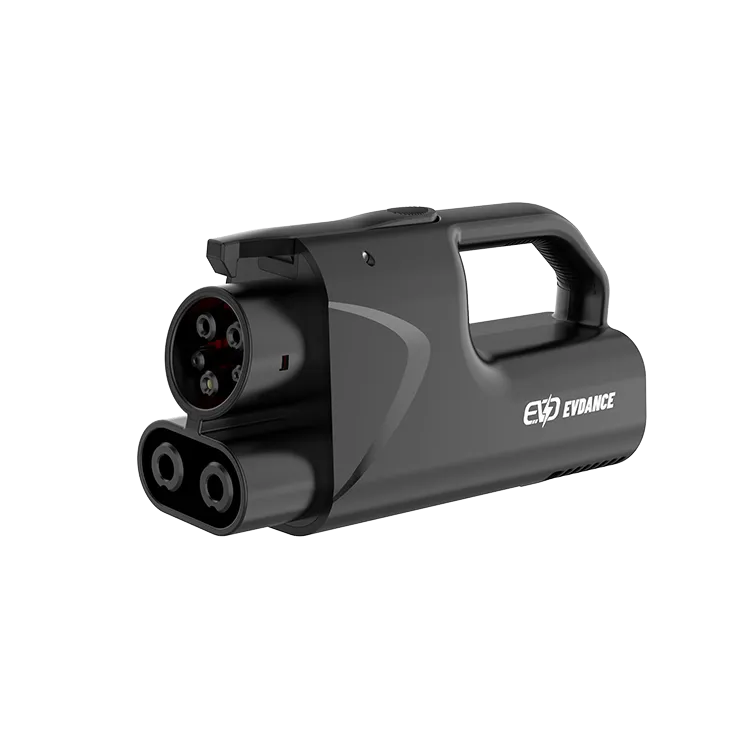
The JT08 and JT09 are NACS-to-CCS1 DC adapters rated up to 500 A with IP66 protection; the JT09 adds a handle. Fleets can order in volume through the EVDANCE distributor program.
Frequently Asked Questions
Should fleet adapters stay in the vehicle?
For vehicles that use NACS stations regularly, yes. It prevents adapters being forgotten or lost.
Who approves which vehicles can use DC adapters?
Each vehicle’s automaker. The fleet manager keeps the approved list.
What should drivers do if an adapter is damaged?
Stop using it, report it and switch to a spare or another charging option.
Related Reading
- How to Use a DC Fast Charger: Step by Step
- Are EV Charging Adapters Safe?
- Fleet Depot Charging: How to Size AC Chargers for Vans and Light Commercial Vehicles
- EV Charger Spare Parts and RMA Process for Distributors

