
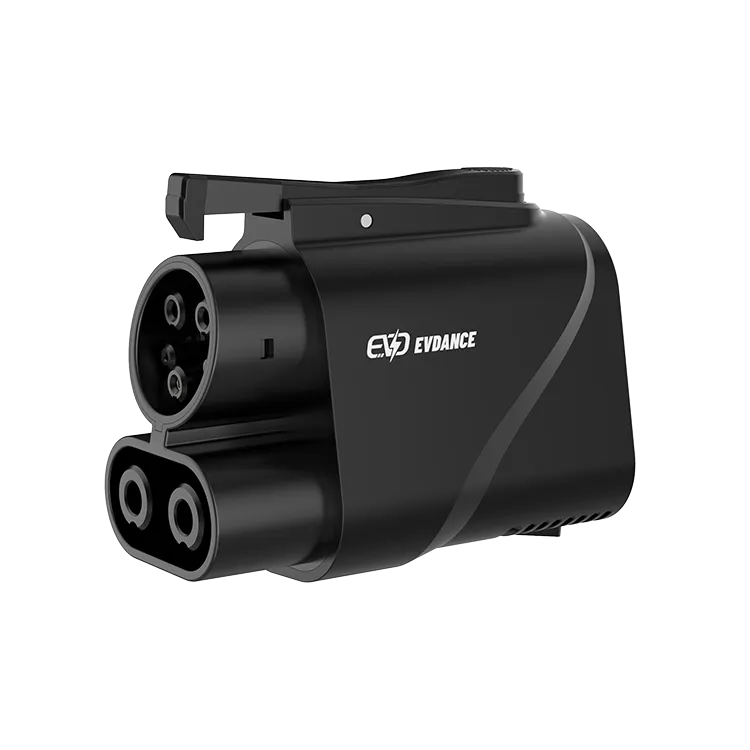
The JT08 and JT09 do the same job: both are NACS-to-CCS1 DC adapters that let a car with a CCS1 inlet charge at a NACS DC station — including Tesla Superchargers that are open to other brands. The only stated difference: the JT09 has a handle, the JT08 does not. Before the handle matters, two conditions decide whether either adapter may be used: your vehicle maker must approve third-party DC adapter use for your car, and the station or network must be open to your car. Check both first; then choose on handling.
Key Takeaways
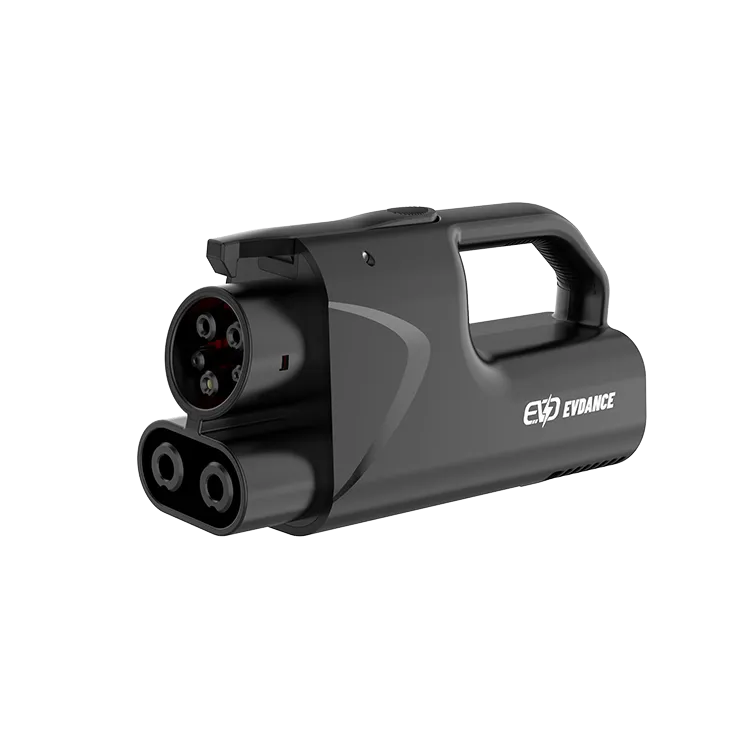
- Same job, same ratings family, same IP66: a CCS1 car at a NACS DC station. The JT09 adds a handle; the JT08 has none.
- Two conditions govern both adapters equally: your vehicle maker’s approval of third-party DC adapters, and a station or network open to your car.
- The handle buys grip, seating control and easier carrying — it changes nothing about power, speed or permission.
- Choose on your pattern: frequent or shared use favours the handle; occasional use and tight storage favour the compact form.
What Is Identical
| Aspect | JT08 | JT09 |
|---|---|---|
| The job | A CCS1-inlet car charging at a NACS DC station — the pair is described in the 250 kW class | |
| Current ceiling | Up to 500 A | Up to 500 A |
| Voltage | Up to 1000 V, as stated for this model | Not stated separately in this model’s listing — do not assume the pair is symmetrical |
| Sealing | IP66 | IP66 |
| The conditions | Vehicle-maker approval of third-party DC adapters for your car, and a station or network open to your car — identical for both | |
| The handle | None | Fitted |
The ceiling figures describe the adapters, not your session: the power a session runs at is set by the station’s output and your car’s DC acceptance, and neither adapter adds any.
What a Handle Changes at a DC Session
A high-power DC session is a physical task before it is an electrical one. The station’s cable and connector assembly is heavy and stiff, the car’s inlet sits low, and the adapter sits between the two, adding a joint that has to be aligned and seated squarely — often with gloves on. A handle gives a real grip point on the adapter itself:
- Seating control. Two hands and leverage make it easier to seat the joint squarely instead of twisting it — and a half-seated DC connector is a session that never starts.
- Handling off the car. A handled adapter is easier to carry between car and charger, hang up, and fish out of a case with gloves on.
- Shared use. In a household or a small fleet where several drivers use the same adapter, the handled form is the one unfamiliar hands manage first try.
The handleless form has its own honest advantages: one less feature, a more compact body to store, and nothing extra to knock against the car’s paintwork. Neither list is about charging — both adapters pass the same session through.
What the Handle Does Not Change
Everything that decides whether and how you charge is unchanged. The ratings family is the same. The IP66 sealing is the same. The two conditions are the same: a JT09 is not “more approved” than a JT08, and a handle has no bearing on what your car’s maker allows or what a network opens. Neither adapter is for AC charging — or for a NACS-inlet car, which plugs into a NACS station directly.
The Pair, and How to Choose
The EVDANCE JT08 and the EVDANCE JT09 are NACS-to-CCS1 DC adapters rated up to 500 A and sealed to IP66, the JT08 also stated at up to 1000 V. Restating the condition that governs both: use either only where your vehicle maker approves third-party DC adapter use for your car — checked in the maker’s current documents — and only at stations or networks open to your car. Then choose on your pattern: frequent DC charging, bad-weather stops, or several drivers sharing one adapter favour the JT09’s handle; occasional use and the tightest storage favour the JT08’s compact handleless form.
Frequently Asked Questions
Which one charges faster?
Neither — both pass the same session through. The station’s output and your car’s DC acceptance set the speed; the handle changes handling, never power.
Can I use either adapter at any Supercharger?
Only where both are true: the network has opened that station to your car, and your car’s maker approves third-party DC adapter use for it — checked in the network’s and the maker’s current documents. Neither adapter overrides a no from either side.
My car has a NACS inlet. Do I need one of these?
No. These adapters serve cars with a CCS1 inlet at NACS DC stations. A NACS-inlet car connects to a NACS station directly.
Related Reading
- Does J1772 Work With CCS? CCS Connectors Explained
- Is the Tesla Charger NACS? NACS, J3400 and Adapters Explained
- EV Charging News: NACS Overtakes CCS1 in U.S. DC Fast Charging Connectors
- Type 2 vs J1772 vs NACS: Which EV Charger Connector Does Your Market Need?

