
An EV charger is built from a defined bill of materials (BOM): an enclosure with its seals, printed circuit board assemblies, a relay or contactor, residual-current protection, a cable and vehicle connector, metering and communications parts. That list is the master recipe for the product. For a brand or importer, it also decides whether the charger you approved is the charger that actually ships.
Key Takeaways
- The BOM is the master parts list behind every charger; headline specs hide the choices that decide quality.
- Safety-critical parts are covered by the model’s test report and are not freely interchangeable.
- Ask for a parts summary, name the BOM revision in your order, and require notice of substitutions.
- Verify the factory and its change control with an audit, not a brochure.
The Bill of Materials Is the Master Recipe
A BOM names every part in a model, its specification, and its approved suppliers. Production builds against a BOM revision, and any change — a different relay, a new cable supplier, a revised board — should arrive as a recorded engineering change, not a silent swap.
Two chargers can share the same headline specification and still be built very differently. A plate saying 40 A does not tell you which relay carries those 40 A or which sensor watches leakage current. The BOM does. If you are comparing factories, our checklist on how to choose a portable EV charger supplier covers the first questions; the BOM is where answers become documents.
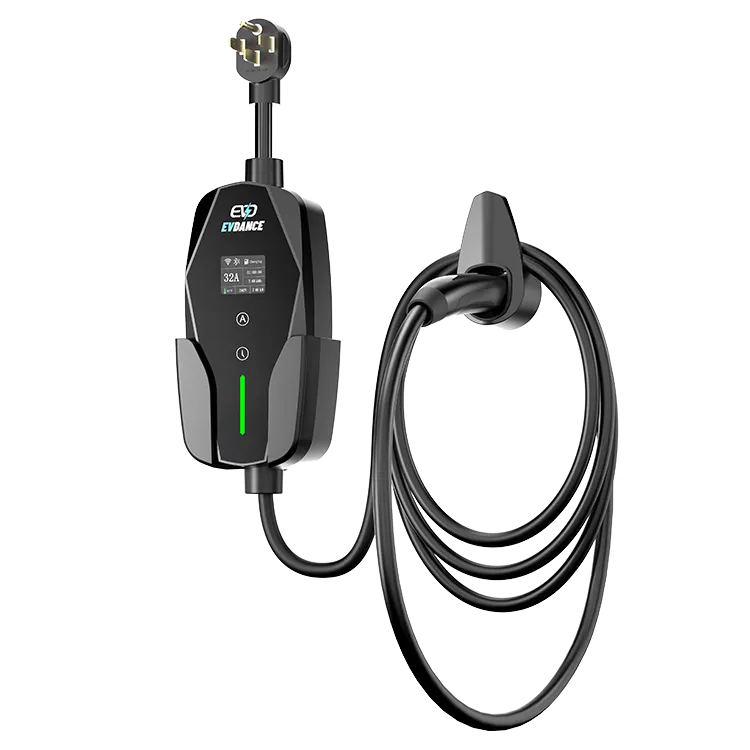
Part by Part: What Goes Into the Charger
These part groups appear in almost every AC charger; DC models add larger power stages.
| Part group | Job in the charger | Pin down in writing |
|---|---|---|
| Enclosure and seals | Housing, gasket and fixings; the ingress rating lives here | Housing and gasket material; the IP rating tested |
| PCB assemblies | Control and power boards: pilot signal, switching drive, sensing | Board revision; conformal coating or not |
| Switching device | Relay or contactor connecting the vehicle to the mains | Rated current and voltage, continuous duty |
| Protection devices | Residual-current (RCD) sensing, surge protection, fuses | Protection type your market requires; test evidence |
| Cable and vehicle connector | Carries the full charging current to the car | Conductor size, length, connector standard |
| Metering and display | Measures energy; shows session state | What is measured; accuracy claimed |
| Communications | Radio module, RFID reader, network interface | Radios fitted; their approvals |
Safety-Critical Parts Are Not Interchangeable
A charger’s safety listing covers the configuration the laboratory tested — including the safety-critical parts inside it. Swapping a relay, a leakage sensor or a radio module for a cheaper equivalent after testing can undermine that listing, which is why disciplined factories keep an approved-vendor list for these parts and record substitutions. Our explainer on UL and ETL listing describes how that system works.
Ask in writing: how are substitutions approved, and will you be told before a changed BOM ships against your order? File the answers with the test report.
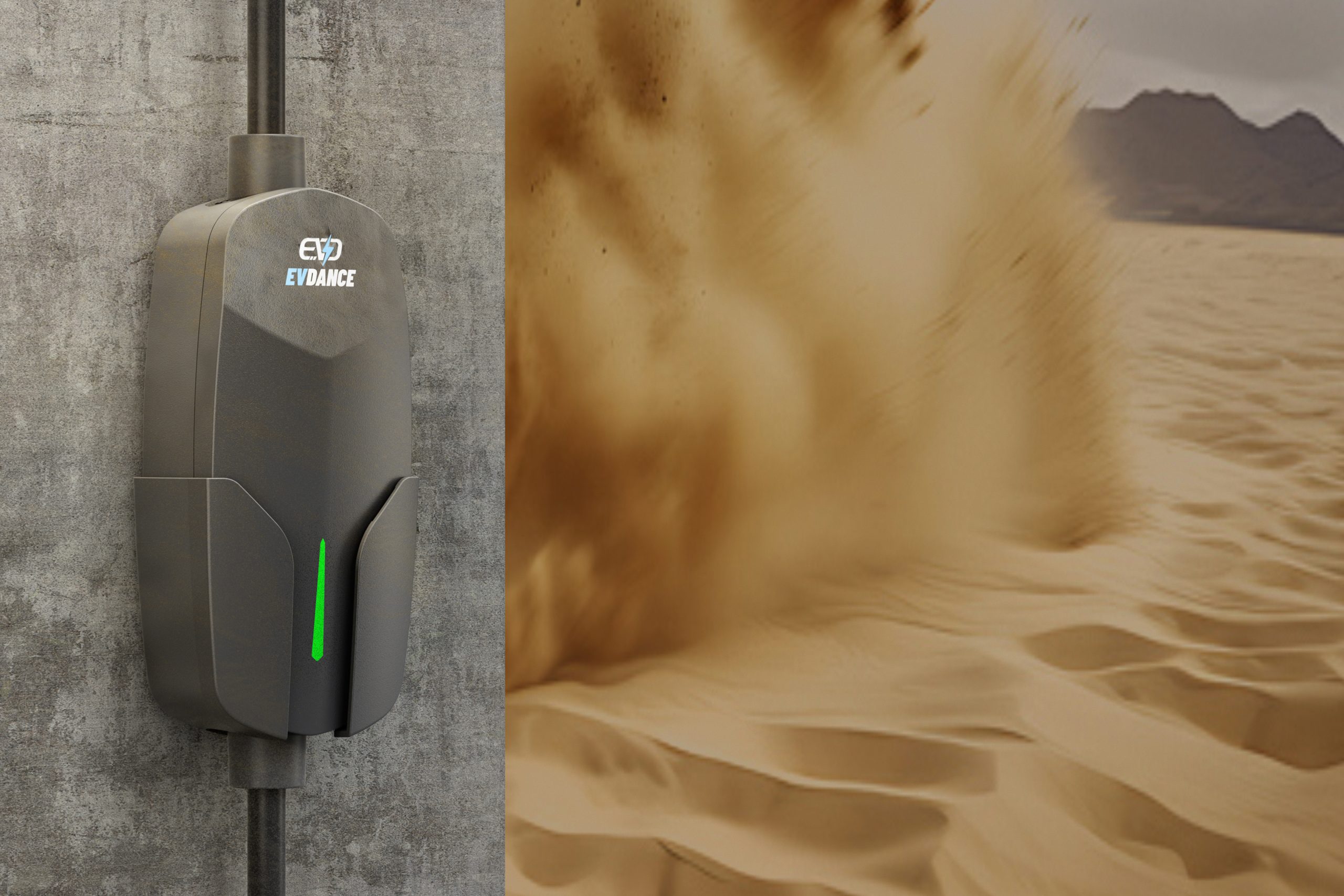
Reading the BOM Like a Buyer
- Ask for a structured parts summary if the costed BOM stays confidential. Line prices can stay private; part identities and ratings should not.
- Cross-check the safety-critical lines — switching, protection, cable, connector — against the test report for the exact model.
- Match market-specific lines (connector, plug, label languages) to your market.
- Name the BOM revision in your order, so a later shipment can be compared with what you approved.
What these choices do to price: see our breakdown of what drives the unit cost of an OEM EV charger; verifying the factory: the factory audit checklist.
EVDANCE and Private-Label Builds
EVDANCE is a Shenzhen manufacturer founded in 2011, with its own factory and exports to more than 30 countries. Private label starts from 100 units, with a 3-year standard warranty. The EV-ACS3210T — a 32 A NACS portable charger at about 7.7 kW, IP66 — is one fixed configuration built from such a list; the wider product range shows the others.
For a private-label build, bring the parts decisions above to the OEM and private-label programme, or send your specification through contact us and ask which BOM lines are fixed and which you can choose.
Frequently Asked Questions
Will a factory hand over its full BOM?
Usually not the costed version — line pricing is commercially sensitive. Request instead a structured summary: part groups, ratings and approved sources for safety-critical items, plus their test reports.
What is a BOM revision, and why should my order name it?
The revision is the version of the parts list in force. Naming it in your order is what lets you show that a later shipment differs from what you approved.
Which BOM lines matter most for safety?
The switching device, the residual-current protection, the cable and connector, and the enclosure sealing — the parts the safety listing was tested with.
Related Reading
- What Drives the Unit Cost of an OEM EV Charger
- OEM and Private-Label EV Chargers: A Complete Guide for Brands
- EV Charger Factory Audit Checklist for Importers
- How to Choose a Portable EV Charger Supplier: A B2B Checklist for Importers

