
A white label EV charger is a charger a factory already designs and builds, supplied without the factory’s own brand — either unbranded, or carrying the buyer’s name instead. The hardware underneath does not change: it is the factory’s existing model, with the factory’s certification behind it. If you have seen the same enclosure sold under three brand names, you have probably met one.
Key Takeaways
- A white label charger is a factory’s existing model supplied unbranded or under the buyer’s name; the certified hardware does not change.
- Recognise one by sameness: shared enclosure, identical specifications, manuals and rating labels that name the base model.
- The badge names the seller, not the maker; warranty and support run to the seller of record.
- The certificate names the base model and its holder — check the documents for the exact configuration before relying on them.
Why the Same Charger Wears Many Names
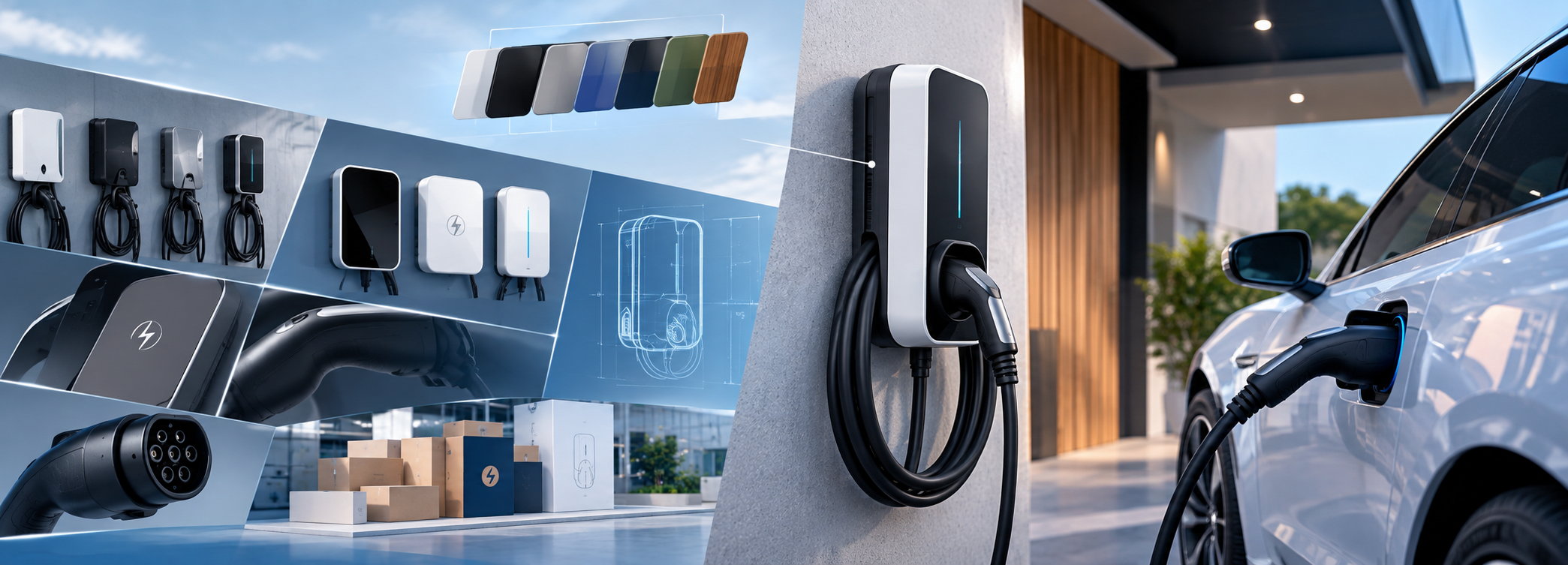
Designing and certifying a charger is the expensive part. A factory spreads that cost by selling the same proven model to many buyers, each presenting it under its own name. The buyer gets a product without funding a design project; the factory gets volume on one production line. This is a standard supply arrangement, and our complete guide to OEM and private-label chargers sets out how the routes compare for brands. For a shopper the consequence is simple: the badge tells you who sells the charger, not who made it, and not how good it is.
How to Recognise One in the Wild
No label announces “white label”, but the sameness leaves fingerprints a buyer can read:
| What you notice | What it usually means |
|---|---|
| The same enclosure, screen and button layout under different brand names | One base model supplied to several brands; the tooling is shared |
| Specification sheets with identical figures in the same order | Each brand is describing the same tested configuration, not its own design |
| Manuals with the same structure and drawings, logo swapped | The documentation belongs to the base model; the brand layer is artwork |
| A rating label naming a model number that matches no brand on the box | The certified model is the factory’s; the brand sits on top of it |
| A generic companion app shared by unrelated brands | The software surface is the factory’s platform wearing different colours |
None of these are faults. They identify what you are actually evaluating: a base model with a track record, sold through a brand layer.
What the Badge Does Not Tell You
Two reading cautions matter more than the definition. First, the brand on the box is not the maker. Your contract, your warranty claim and your support calls run to the seller of record — the brand — while the brand’s own recovery from the factory is a separate supply agreement you will never see. Judge the seller’s support operation as carefully as the hardware. Second, the safety certificate names the base model and its holder, which is normally the factory. Before you rely on a branded unit — or sell one — request the certificate and test report for the exact model and configuration; who owns the certificate in a private-label charger explains the holder question in full. Since the name is the weakest evidence available, it is worth asking whether an EV charger brand matters at all next to documents.
White Label and Private Label at EVDANCE
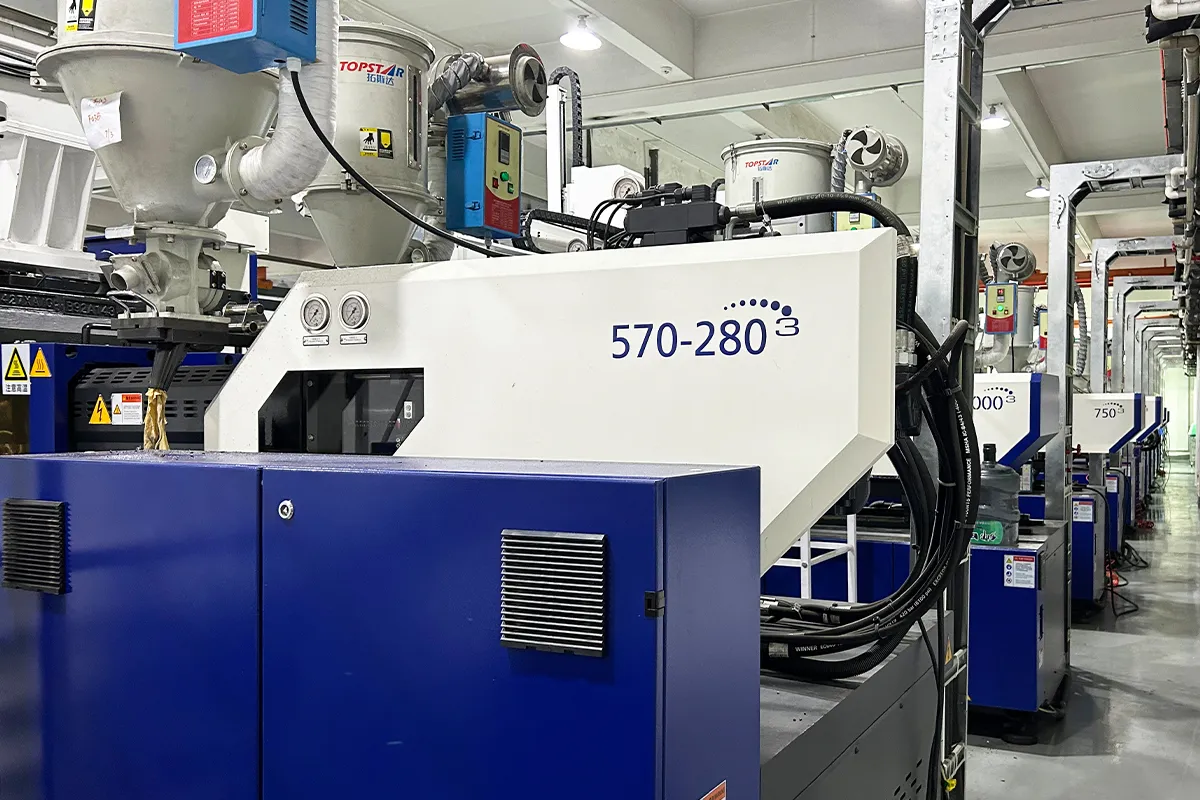
EVDANCE is a Shenzhen EV charger manufacturer founded in 2011, with its own factory, exports to more than 30 countries and a 3-year standard warranty. Its stated route is private label from 100 units, set out on the OEM and private-label program page: existing models such as the EV-ACS4005T portable charger — 9.6 kW, 16/24/32/40 A adjustable, NEMA 14-50P, IP66, 25 or 28 ft cable — carry the buyer’s brand. Whether an unmodified standard unit can also be supplied unbranded, and on what terms, is a written-confirmation question: ask through our contact page rather than assuming white-label and private-label terms are the same.
Frequently Asked Questions
Is a white label charger lower quality than a branded one?
Not by itself. Quality belongs to the base model and its test history, not the label route. Judge the model’s documents, not the badge.
Is white label the same as private label?
They are close cousins. White label rebrands the standard product as it stands; private label builds that product to a specification agreed first. The difference is control, and it decides what you can change.
The seller’s name is on the box. Who handles a failure?
The seller of record — the brand — fronts warranty and support to you. How the brand recovers costs from the factory is set in their supply agreement, so a brand with a real support operation matters more than a familiar logo.
Related Reading
- OEM and Private-Label EV Chargers: A Complete Guide for Brands
- OEM vs ODM EV Chargers: How Private-Label Charging Works
- White-Label Apps for Smart EV Chargers: What Brands Should Know
- Does EV Charger Brand Matter?

