Reviewed by Kevin, International Sales Manager, EVDANCE · Last reviewed: 12 November 2026 · Facts checked as of November 2026 · Sources
Direct answer: EV charger durability is judged on five tested properties: ingress protection (IP rating under IEC 60529), impact resistance (IK rating under IEC 62262), crush or drive-over resistance for portable control boxes and connectors, flame rating of the housing (UL 94), and operating temperature range. For outdoor wallboxes, IP65–IP66 and IK08 are typical; public or exposed sites call for IK10. Portable chargers should have an IP66 control box and pass a crush test. Ask for the test report for the exact model — not just a brochure figure.
Key Takeaways
- IP rating (IEC 60529): IP65 = water jets, IP66 = powerful jets, IP67 = temporary immersion; all are dust-tight.
- IK rating (IEC 62262): IK08 = 5 J impact, IK10 = 20 J impact — choose by how exposed the site is.
- Portable chargers lie on the ground: look for an IP66 control box, a crush (drive-over) test and strain relief at both cable ends.
- Housing material: ask for the resin grade and UL 94 flame rating; V-0 is widely requested.
- EVDANCE wallboxes are IP65/IP66 and portable chargers IP65–IP66 by model; request the test report for the exact model.
The Five Durability Ratings Buyers Should Check
| Property | Standard | Common levels | Where it matters |
|---|---|---|---|
| Dust and water | IEC 60529 (IP code) | IP54, IP65, IP66, IP67 | Outdoor walls, car parks, portable use |
| Impact | IEC 62262 (IK code) | IK08 (5 J), IK10 (20 J) | Public and semi-public sites, garages |
| Crush / drive-over | Connector and accessory standards (for example IEC 62196-1, UL 2251) | Pass at stated load | Portable chargers, cables and connectors on the ground |
| Flame | UL 94 | V-0, V-1, V-2 | All enclosures |
| Temperature | Manufacturer’s rated range | Check stated minimum and maximum | Cold climates, hot car parks, direct sun |
IP Ratings Explained for Charger Buyers
| Rating | Dust | Water | Typical use |
|---|---|---|---|
| IP54 | Dust-protected | Splashing | Indoor garages, sheltered walls |
| IP65 | Dust-tight | Water jets | Outdoor walls |
| IP66 | Dust-tight | Powerful water jets | Exposed walls, car washes nearby, portable control boxes |
| IP67 | Dust-tight | Temporary immersion | Connectors or boxes that may sit in puddles |
For an installation example, see IP65/IP66 wallbox installation on exposed walls.
What Makes a Portable Charger Durable
- Control box: IP66 or higher, sealed cable entries, and a housing that passes a crush test.
- Cable: flexible, UV- and cold-resistant jacket (TPU or TPE) with strain relief at both ends.
- Supply plug: temperature monitoring to cut current if the socket overheats.
- Connector: rated mating cycles and a latch that survives drops.
See also the portable EV charger wholesale guide and what makes an EV charger reliable.
Durability on the Production Line
Durability is also a production question: consistent sealing, torque and potting depend on process control and inspection. Ask suppliers how each unit is tested before shipping — see how EV chargers are made and how factories trace a returned charger.
EVDANCE Durability Data by Product
| Product | Type | Ingress protection |
|---|---|---|
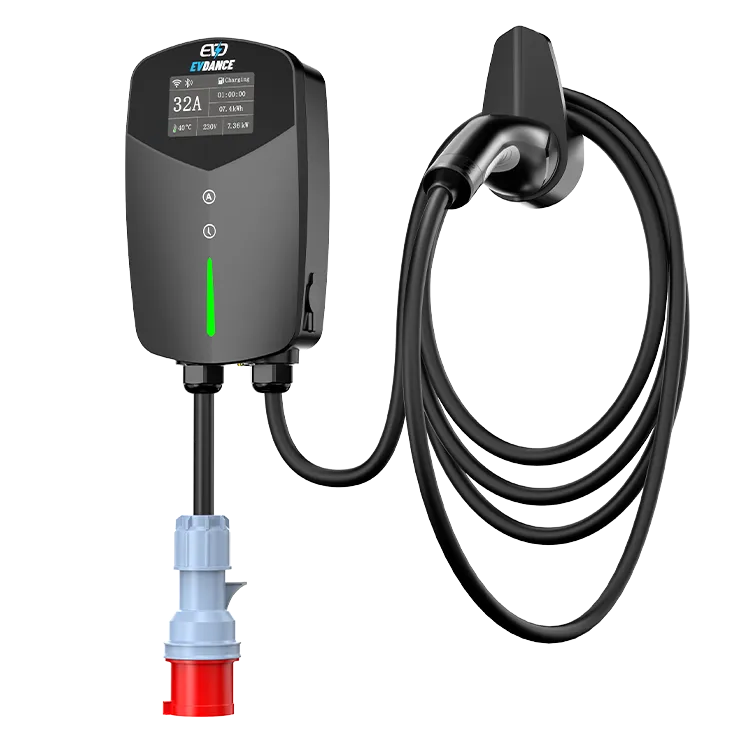
| EV-ACT3204E | Type 2 wallbox, 7 / 22 kW | IP65/IP66 |
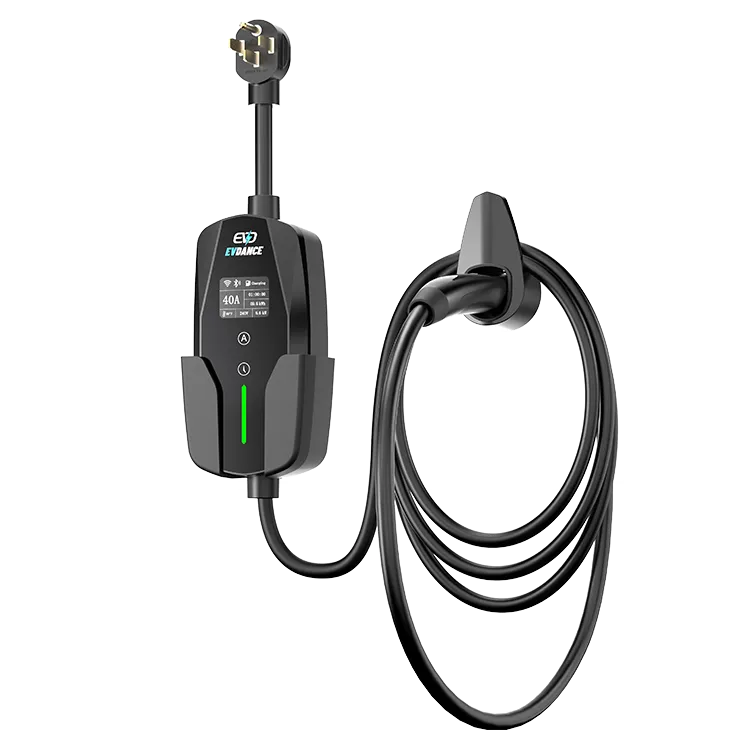
| EV-ACT4001T/U | Level 2 wallbox, 40 A | NEMA 4, IP66 |
| EV-ACT5006T | Level 2, 48 A | IP65/IP66 |
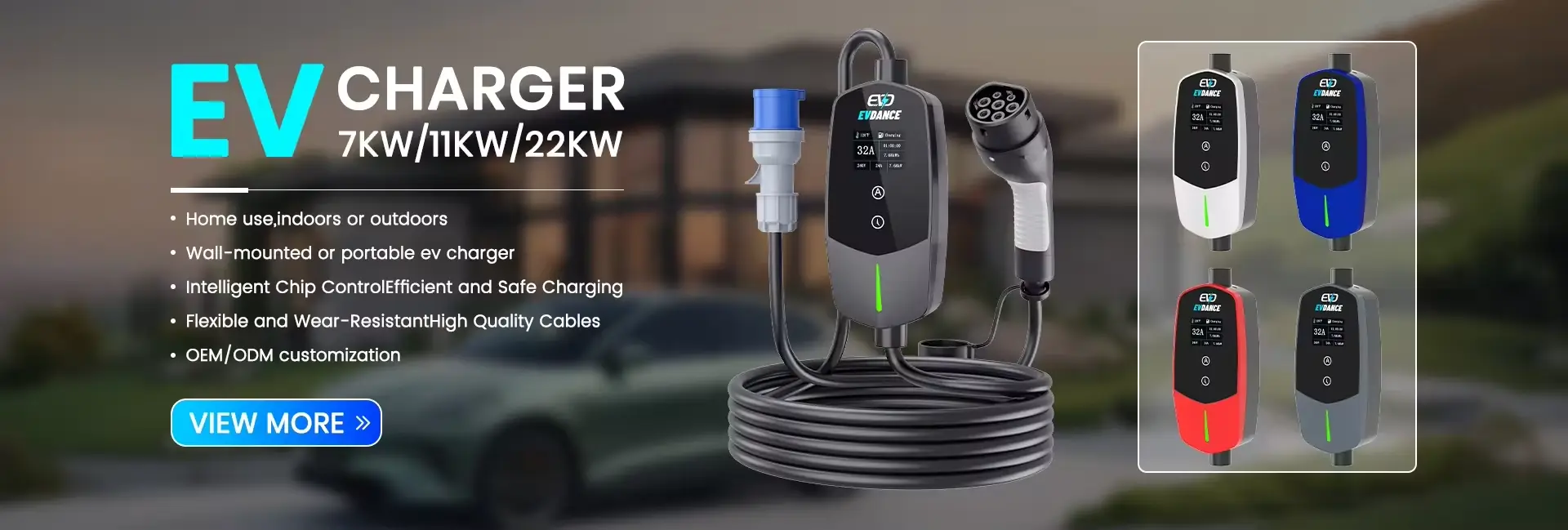
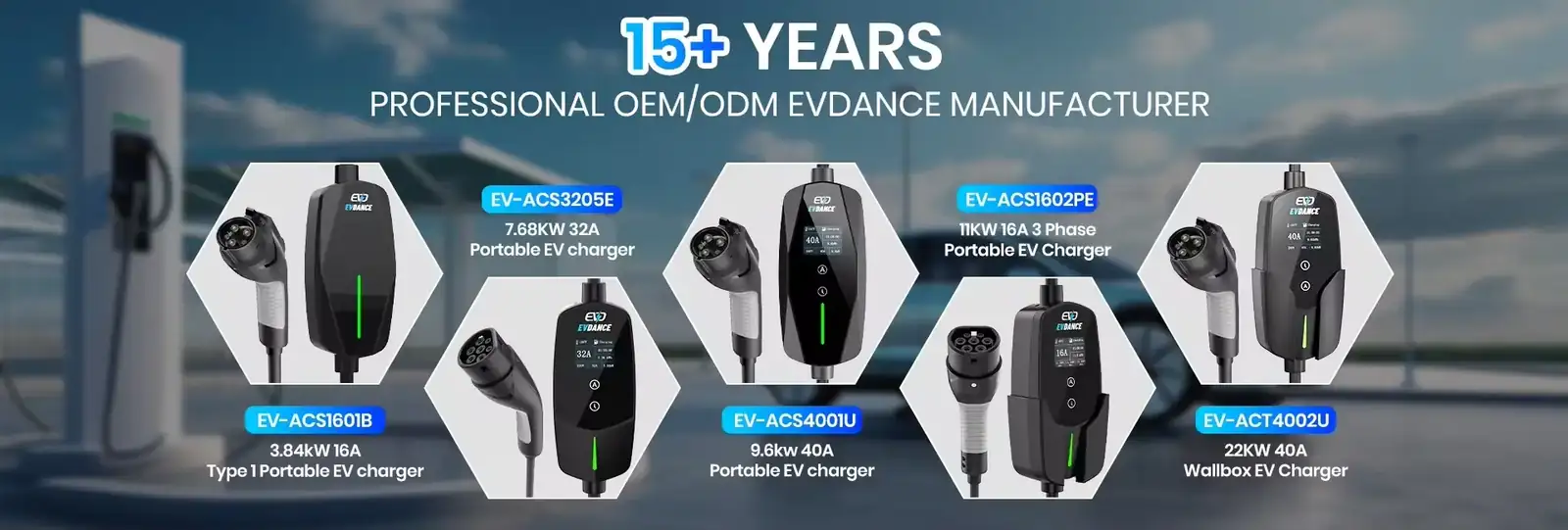
| EV-ACS1602PE | Portable, 11 kW | IP66 |
| EV-ACS3210E | Portable, 10–32 A | IP65 |
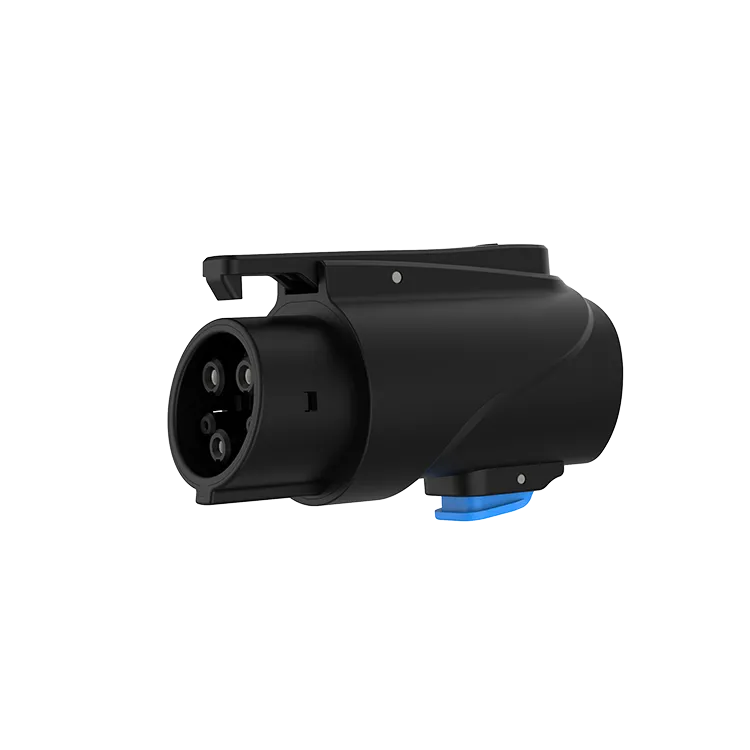
| JT08 / JT09 | NACS to CCS1 adapter | IP66 |
EVDANCE products carry a 3-year warranty, extendable to 5 years, and are certified model by model across TÜV, CE, CB, UKCA, ETL/cETL, FCC, SAA/RCM and more. Ask for the test report for the exact model and configuration. Private-label terms: OEM & ODM.
Frequently Asked Questions
What is the difference between IP65, IP66 and IP67 on an EV charger?
All three are dust-tight. IP65 resists water jets, IP66 resists powerful water jets, and IP67 survives temporary immersion. Wall-mounted outdoor chargers are usually IP65 or IP66; a portable charger’s control box benefits from IP66 or higher because it may lie on wet ground.
What IK rating should an EV charger have?
IK ratings measure impact resistance under IEC 62262. IK08 (5 joules) is common for wall units in private car parks; IK10 (20 joules) suits public or exposed locations where vandalism or vehicle contact is likely.
What is a drive-over or crush test?
Standards for plugs and connectors include a crush test to check that a connector or control box survives being run over by a vehicle. Ask whether the exact model passed it and at what load.
Which flame rating should the housing have?
Ask for the plastic grade and its UL 94 flame classification; V-0 is the highest common rating for small enclosures and is widely requested for charger housings.
How do I check durability claims from a supplier?
Ask for the test report that shows the IP, IK and crush results for the exact model, not just a brochure, and test a sample yourself on the toughest site you serve.
References
- International Electrotechnical Commission, IEC 60529: Degrees of protection provided by enclosures (IP Code).
- International Electrotechnical Commission, IEC 62262: Degrees of protection against external mechanical impacts (IK code).
- International Electrotechnical Commission, IEC 62196-1: Plugs, socket-outlets, vehicle connectors and vehicle inlets — conductive charging of electric vehicles.
- UL, UL 2251: Plugs, receptacles and couplers for electric vehicles; UL 94: Flammability of plastic materials.
- EVDANCE product pages, November 2026.