Reviewed by Kevin, International Sales Manager, EVDANCE · Last reviewed: 12 November 2026 · Facts checked as of November 2026 · Sources
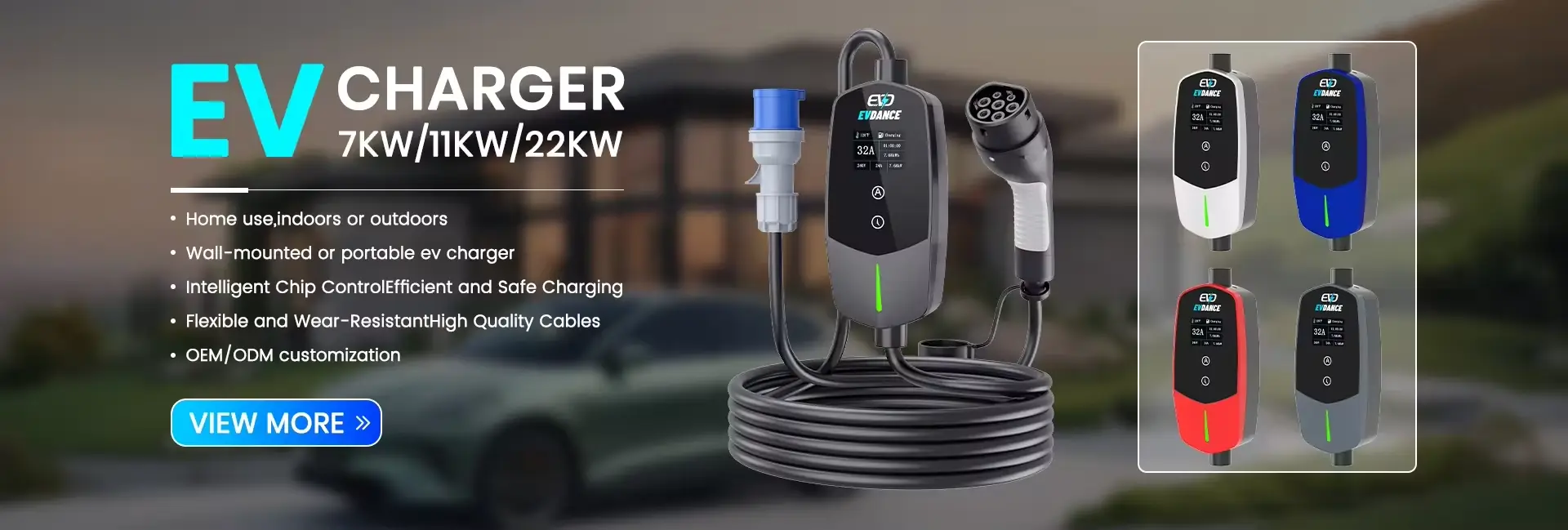
Direct answer: A 7 kW wallbox runs on a single-phase 230 V supply at 32 A and suits most homes; a 22 kW wallbox needs a three-phase 400 V supply at 32 A per phase and suits workplaces, fleets and homes with three-phase power and a car that accepts 22 kW AC. For distributors, the choice is not either-or: stock is simplest on one Type 2 platform that can be supplied as 7 kW single-phase or 22 kW three-phase, with the mix weighted to each market’s grid. “7kw vs 22kw ev charger” is among the most common questions buyers type into Google in the UK, Australia, New Zealand and Ireland.
Key Takeaways
- 7 kW = single-phase 32 A (about 7.4 kW at 230 V). 22 kW = three-phase 32 A per phase at 400 V.
- A 22 kW unit only charges at 22 kW if the site is three-phase and the car’s onboard charger accepts 22 kW; many cars accept 7–11 kW.
- Market mix: UK and Ireland homes are mostly single-phase (7 kW); Germany, the Netherlands and Nordics often three-phase (11 kW homes, 22 kW commercial); Australia is mixed.
- Search interest in both 7 kW and 22 kW chargers is highest in Australia, then the UK, Netherlands, Ireland and New Zealand.
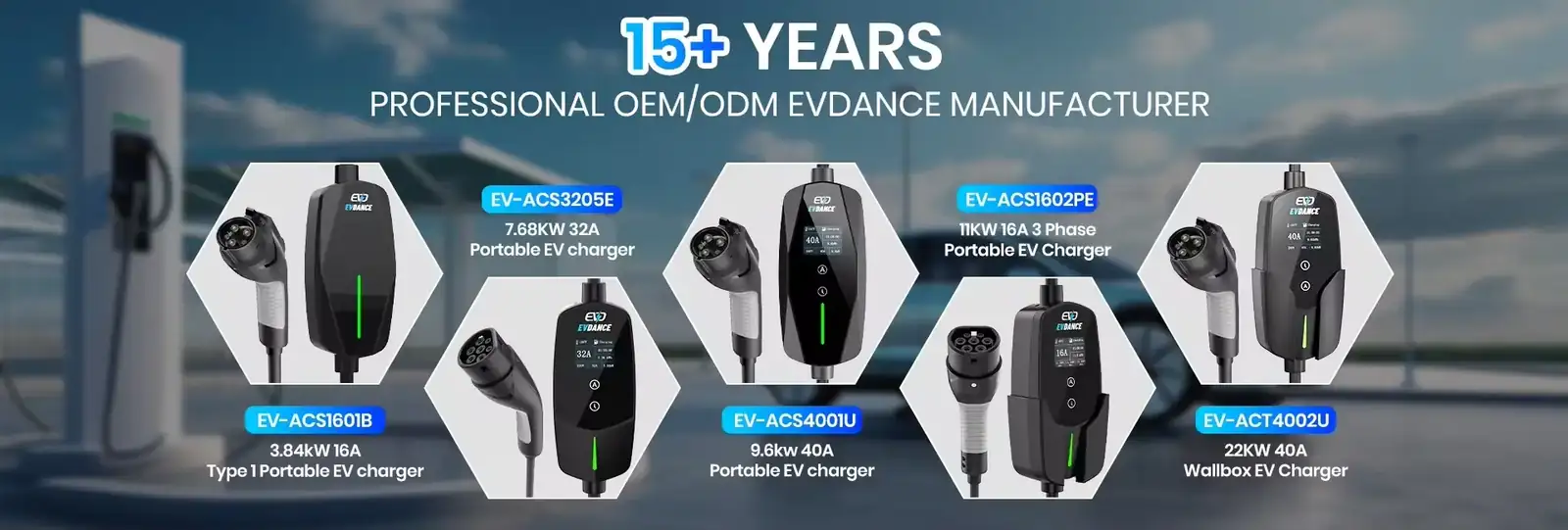
- One platform covering 7 kW and 22 kW — such as the EV-ACT3204E — keeps manuals, spares and installer training the same.
7 kW vs 22 kW at a Glance
| 7 kW wallbox | 22 kW wallbox | |
|---|---|---|
| Supply | Single-phase 230 V | Three-phase 400 V |
| Current | 32 A | 32 A per phase |
| Range added per hour (approx.) | 25–30 miles | Up to about 75 miles, if the car accepts 22 kW |
| Typical sites | Homes, small businesses | Workplaces, hotels, fleets, farms, three-phase homes |
| Installation | Simpler, smaller cable | Larger cable, three-phase protection, often a notification to the network operator |
| Limits | Car’s onboard charger (often 7.4 kW single-phase) | Site capacity and car’s onboard charger (often 11 kW) |
For the electrical background, see single-phase vs three-phase charging: 7, 11 and 22 kW and what changes inside a three-phase wallbox.
What to Stock in Each Market
| Market | Typical home supply | Lead SKU | Second SKU | Certification |
|---|---|---|---|---|
| United Kingdom | Single-phase | 7 kW tethered, smart-charging compliant | 22 kW for commercial sites | UKCA; installation to BS 7671 |
| Ireland | Single-phase | 7 kW | 22 kW for commercial | CE |
| Australia | Mixed single/three-phase | 7 kW single-phase | 22 kW three-phase | SAA / RCM; installation to AS/NZS 3000 |
| New Zealand | Mostly single-phase | 7 kW | 22 kW for commercial | RCM |
| Netherlands | Often three-phase | 11 kW (22 kW unit limited) | 22 kW | CE |
| Germany | Three-phase | 11 kW | 22 kW (subject to grid-operator approval) | CE |
Installation rules differ by country — see NEC, BS 7671 and AS/NZS 3000 compared. In Germany and the Netherlands, the 11 kW vs 22 kW decision is covered in 11 kW vs 22 kW wallboxes for European distributors.
Will the Car Actually Charge at 22 kW?
Most electric cars accept between 7 kW and 11 kW on AC; a smaller number accept 22 kW. If the car’s onboard charger accepts 11 kW, a 22 kW wallbox charges it at 11 kW. Distributors should tell installers to check the customer’s car first — see what cars can charge at 22 kW and can I install a 22 kW charger at home.
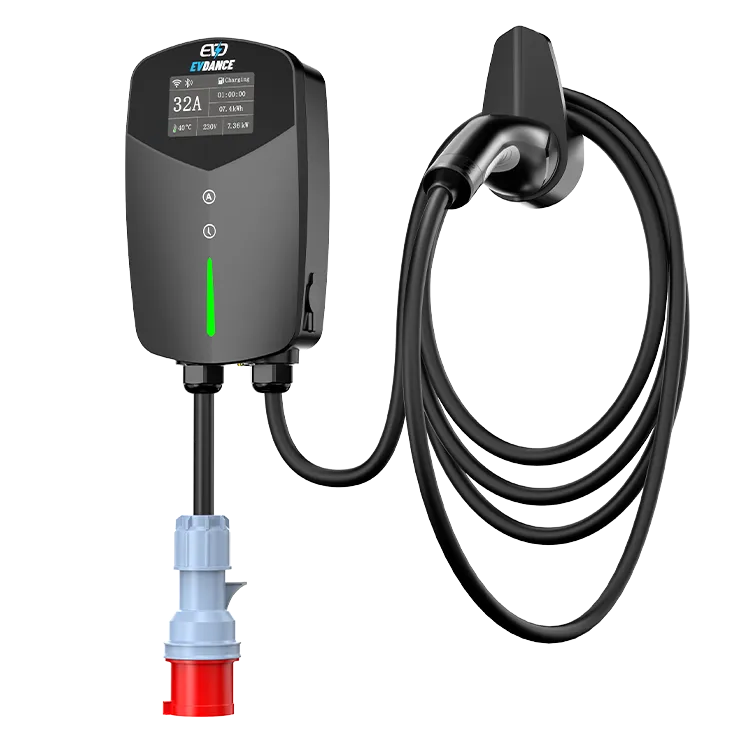
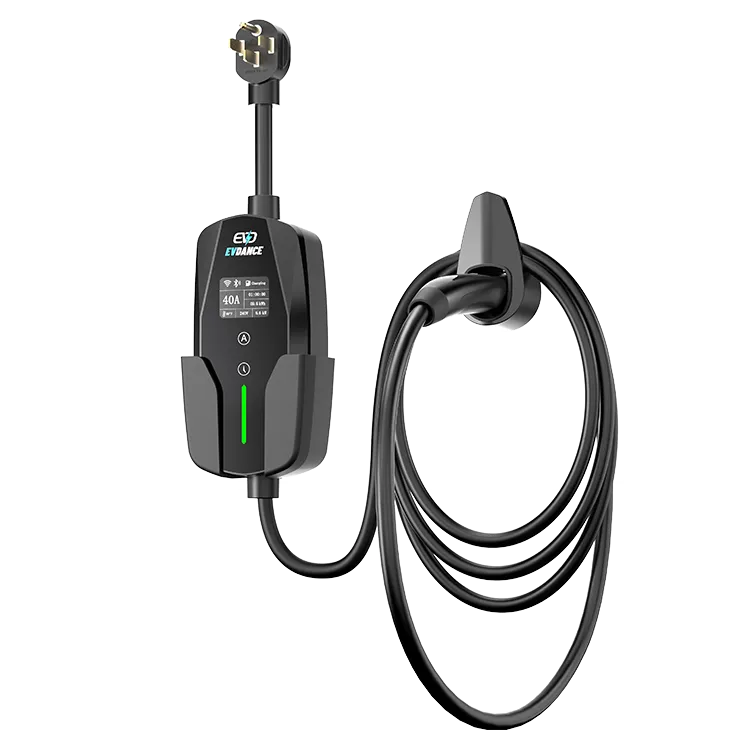
One Platform for Both: EVDANCE EV-ACT3204E
| Version | Supply | Rating | Connector | Protection |
|---|---|---|---|---|
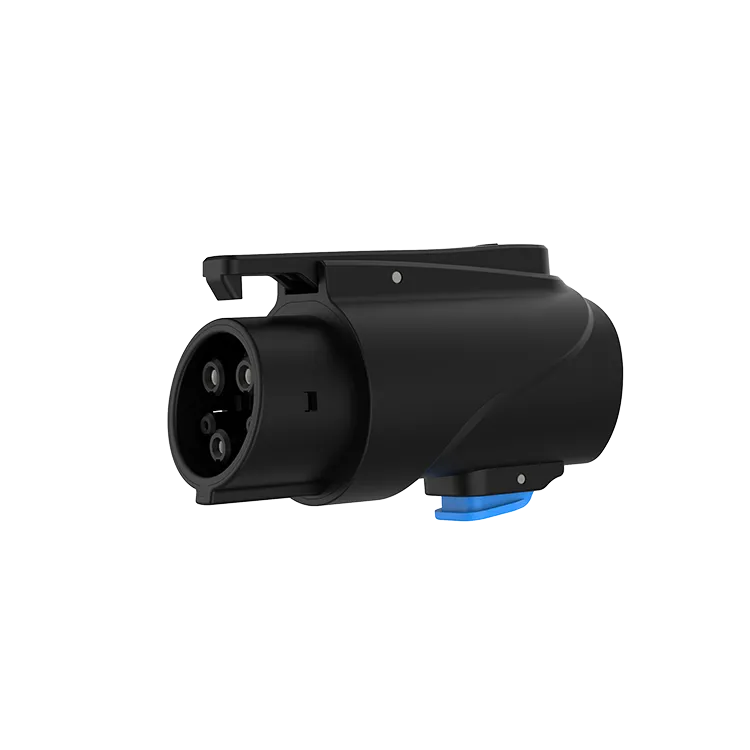
| 7 kW | Single-phase 230 V | 32 A | Type 2 | IP65/IP66 |
| 22 kW | Three-phase 380–400 V | 32 A per phase | Type 2 | IP65/IP66 |
The EV-ACT3204E uses one hardware platform for both versions, so installers learn one product and distributors hold one set of spares. EVDANCE products are certified model by model across TÜV, CE, CB, UKCA, SAA/RCM and more, with a 3-year warranty extendable to 5 years. Wholesale tiers: samples 1–9 units, logo printing from 100 units (2–3 weeks for 100–499), full private label from 500 units — see OEM & ODM and EV-ACT3204E wholesale for installers.
Other Features Distributors Should Compare
- Tethered or socketed: tethered for homes, socketed for shared sites — compare here.
- Load balancing: prevents overloading the supply, especially on 22 kW installs — dynamic load balancing explained.
- Protection: RCD and 6 mA DC leakage detection as required by local wiring rules.
- Connectivity: app control for homes, OCPP for commercial sites.
Frequently Asked Questions
Is a 22 kW wallbox better than a 7 kW wallbox?
Only where the site has a three-phase supply with spare capacity and the car can accept 22 kW AC. Most cars accept 7–11 kW on AC, so a 22 kW unit often charges at 11 kW. For many homes, 7 kW single-phase is the right choice.
Can a 22 kW charger run on single-phase power?
A 22 kW three-phase wallbox connected to a single-phase supply can only deliver single-phase power, typically up to about 7.4 kW at 32 A. That is why many distributors stock one platform that can be wired single- or three-phase.
Which markets buy more 22 kW wallboxes?
Google Trends shows the strongest interest in 22 kW chargers in Australia, the Netherlands, the UK, Ireland and Germany. In the UK and Ireland most homes are single-phase, so 22 kW sells mainly to workplaces, farms and commercial sites.
Should distributors stock 11 kW as well?
In markets with three-phase homes (Germany, the Netherlands, Nordics) 11 kW is often the home standard. A platform that covers 7 kW single-phase and 22 kW three-phase, and can be limited to 11 kW, keeps stock simple.
How long does a 7 kW vs 22 kW charger take?
Roughly, a 7 kW charger adds about 25–30 miles of range per hour and a 22 kW charger up to about 75 miles per hour — but only if the car’s onboard charger accepts 22 kW. Otherwise both are limited by the car.
References
- Google Trends, worldwide and country search interest for “7kw ev charger”, “22kw ev charger” and “7kw vs 22kw”, 12 months to November 2026.
- International Electrotechnical Commission, IEC 61851-1 (conductive charging) and IEC 62196-2 (Type 2 connector).
- IET, BS 7671 Requirements for Electrical Installations; Standards Australia / Standards New Zealand, AS/NZS 3000 Wiring Rules.
- EVDANCE, EV-ACT3204E product page, November 2026.
Related Reading
- Wallbox EV Charger Guide: Ratings, Types and How to Choose
- Top 6 AC EV Charger Manufacturers in China 2026
- How Much Electricity Does a 7 kW Charger Use?
Read next: 7 kW Wallbox: Specs, Installation Rules and What Distributors Should Check
Read next: 22 kW Wallbox: Three-Phase Specs and Sourcing Checklist
Read next: Wallbox Manufacturer in China