
Hypermiling is the practice of squeezing the maximum distance out of every charge using deliberate, sometimes extreme driving techniques. In an electric car it can add real miles: slower, smoother driving uses less energy. But several classic tricks were built around petrol engines and do not transplant cleanly to an EV, and a few are dangerous or unlawful anywhere. The useful core is smaller than the legend suggests.
Key Takeaways
- Hypermiling means maximising distance per charge; in an EV the gains come mainly from speed, smoothness and planning.
- Regenerative braking shrinks the benefit of petrol-era tricks such as pulse and glide.
- Drafting, over-inflated tyres and rolling stops are dangerous or unlawful — not hypermiling advice.
- For most drivers, a full battery from overnight home charging removes the need entirely.
Where the Word Comes From
The term grew out of fuel-saving competitions for petrol and diesel cars, where drivers competed to travel furthest on a fixed amount of fuel. It now covers a spectrum: ordinary economical driving at one end, deliberate record-setting techniques in the middle, and practices no one should copy at the far end.
| Part of the spectrum | What it looks like | Verdict |
|---|---|---|
| Economical driving | Smooth acceleration, sensible speeds, correct tyre pressures | For every driver |
| Hypermiling techniques | Planning trips around energy use, fewer stops, less weight and drag | Legal, and effective |
| Over the line | Tailgating trucks to draft, over-inflating tyres, rolling through stops, crawling far below traffic speed | Dangerous or unlawful |
Why an EV Changes the Maths
The petrol-era toolkit assumed an engine that wastes most energy as heat and burns fuel even at idle. An EV breaks those assumptions. Regenerative braking recovers energy a petrol car throws away, so the pulse-and-glide patterns designed to keep an engine in its sweet spot gain little: energy spent accelerating is partly recovered when you slow down. Coasting in neutral is likewise different in a car whose motor management already blends coasting and regeneration.
What does not change is air. Aerodynamic drag rises steeply with speed in any car, so the biggest lever is still how fast you drive on open roads — which is why rated range and real range part company at motorway pace, as the U.S. Department of Energy explains in its electric vehicle technology pages. Hypermiling an EV is mostly the art of spending energy slowly, not outsmarting the motor.

The Techniques That Stay on the Right Side of the Line
- Plan the trip, not just the drive. Combining errands into one warm-battery trip beats several cold starts, and fewer stops save repeated acceleration.
- Choose speed deliberately. A moderate, legal speed on open roads is the largest single saving available — no technique compensates for sustained high speed.
- Keep tyres at the car maker’s pressure. The figure on the door sticker, checked cold. Never above it in search of range: over-inflation trades grip and braking for a trivial gain.
- Shed drag and weight you do not need. Roof boxes and racks come off when the trip ends.
- Use the plug as a tool. Preconditioning while still connected means that energy comes from the wall, not the battery you are about to drive on.
Everything in that list is also ordinary good driving. In an EV, the gap between “economical” and “hypermiling” is mostly effort and trip planning, not secret technique.
The Other Half of Range: Charging at Home
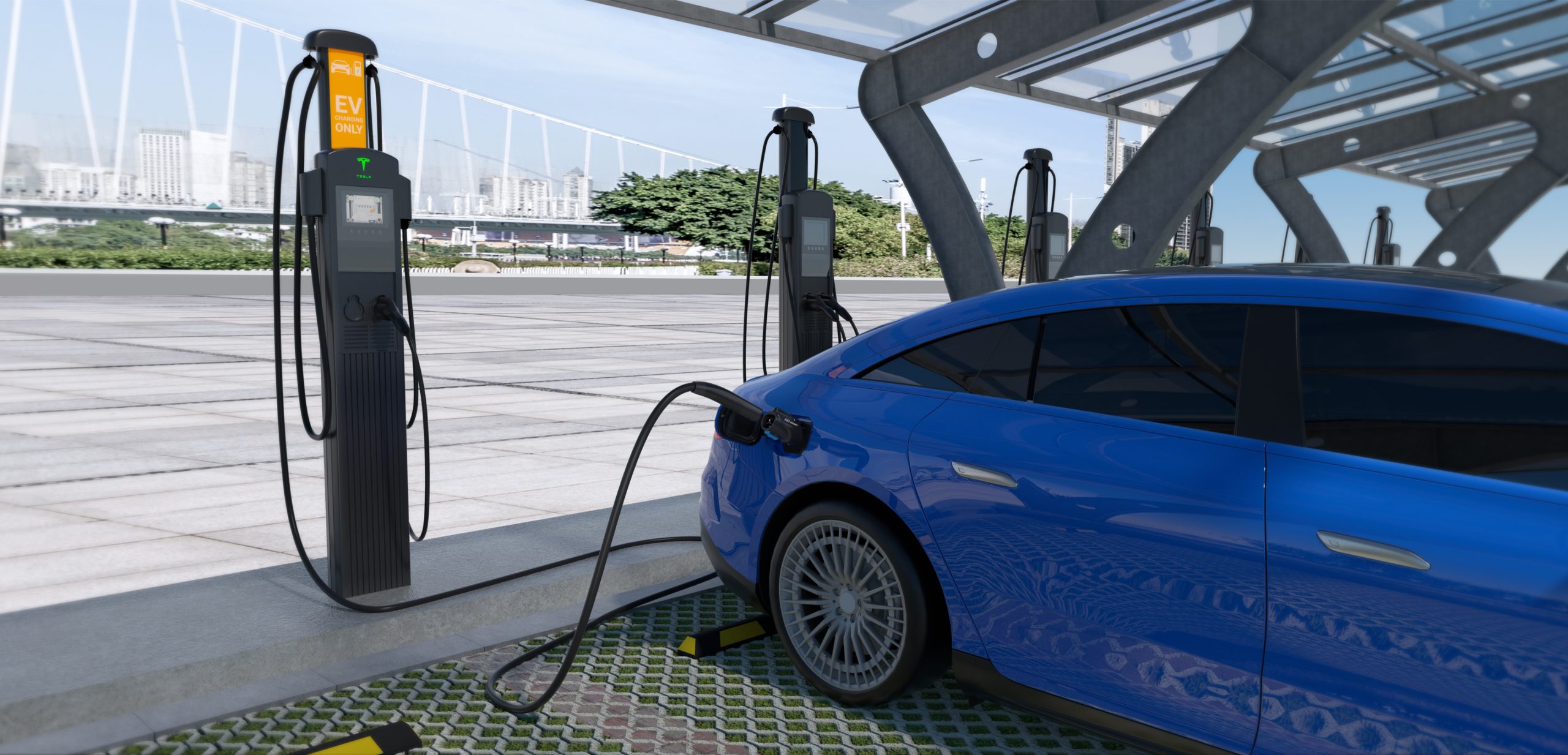
Most drivers solve the range question at the kerb, not on the road. Overnight home charging refills the battery while you sleep, at the speeds our guide to what a 7 kW portable EV charger does sets out. The EVDANCE EV-ACS3210T 32A NACS portable charger adjusts from 10 A to 32 A in six steps, matching the circuit and still delivering a full battery by morning — see the wider range on our residential charging page. When the battery starts each day full, hypermiling becomes a hobby instead of a necessity — and if you do run low away from home, roadside options exist before a tow does.
Frequently Asked Questions
Does hypermiling harm the battery?
The driving techniques themselves do not. What deserves care is the habit that can come with them: routinely running the battery to empty chasing a record. Treat deep discharge as an occasional event, not a driving style.
Is hypermiling illegal?
Economical driving is not. Specific techniques can be: drafting behind another vehicle is tailgating, rolling through a stop sign is an offence, and driving far below traffic flow can be dangerous and, in some places, an offence.
Does pulse and glide work in an EV?
Only weakly, at best. The technique keeps a petrol engine in its efficient band; an electric motor is efficient across most of its range, and regeneration already recovers part of what coasting was meant to save. Steady speeds beat the cycle in an EV.
Related Reading
- What Is a 7kW Portable EV Charger? Speed, Range, and Compatibility Explained
- Does AAA Have Portable EV Chargers? Roadside Options When Your EV Runs Low
- How Much Are Portable EV Chargers? Price Ranges by Type

