
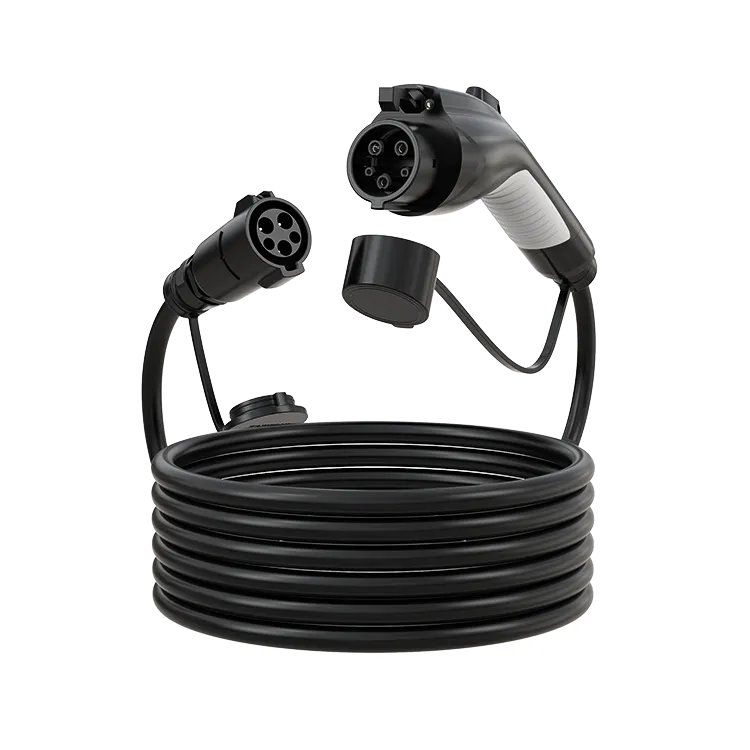
The part of the EV-AC04001U that storage puts at risk is not the electronics — it is the open face of its J1772 connector. Grit, garage dust and dripping water collect in an unprotected connector lying on the floor, and the next session pushes that dirt into the car’s charge port. The enclosure is rated IP66, but between sessions the connector’s protection is mostly habit: keep its face covered, keep it off the floor, coil the cable so the connector rests somewhere dry, and look at it for ten seconds before it goes back into a car.
Key Takeaways
- The connector’s open face — pins and latch — is what storage puts at risk, not the sealed unit.
- Four habits cover it: cap on, off the floor, coiled wide with the connector resting dry, and a dry storage spot.
- Dirt in the connector travels into every charge port it meets; check for ten seconds before each session.
- A gritty connector gets cleaned before it goes back into a car; damaged pins are a question for the maker.
Why the Connector Is the Vulnerable End
Everything that matters electrically — the pins and the latch that locks the handle into the car — sits in or around the connector’s open face. The floor is where a garage keeps its grit, dust and tracked-in water, so a connector stored face-down collects all three — and carries them into every charge port it meets afterwards. Read the IP66 line honestly: it describes the charger’s sealed enclosure. An unplugged connector left in a puddle is outside what the rating describes — its storage is your job.
The Four Habits That Protect It
- Cover the face. Check whether your connector has its cap, and if it does, use it every time you put the unit away. If the cap is missing, ask the maker about a replacement rather than improvising a cover that traps moisture against the pins.
- Keep it off the floor. A wall hook, holster or shelf beside the outlet keeps the connector out of grit and puddle range entirely. Our guide to hiding and managing a charger cable covers the mounting options.
- Coil wide, connector resting on top. Loop the 25 ft cable in wide coils following its natural curve, with the connector resting on the coil or the hook — never dangling at the cable’s low point, where water running down the jacket ends up.
- Give it a dry address. Not under the roof’s drip line, not in the corner that floods when the door seal leaks. If the unit travels in the car, it goes capped and in a case, not loose in the boot.
| Storage spot | Dirt exposure | Water exposure | Verdict |
|---|---|---|---|
| Wall hook or holster beside the outlet | Low | Low | The default for a home-based unit |
| Shelf or case indoors | Lowest | Lowest | Best for a unit used weekly or less |
| Coiled on the garage floor by the door | High — grit and tracked-in slush | High — puddle range | The spot that causes the problem |
| In the car, cased and capped | Low | Low | Fine for a travelling unit; loose and uncapped is not |
The Ten-Second Look Before the Next Session
- Pins clean and dry, with no grit visible in the connector face.
- The latch moves freely and springs back.
- No cuts or crushed spots on the cable jacket where it was stored.
- Nothing green, white or crusty growing on the contacts.
If the connector is dirty, do not push it into the car and hope. The cleaning method lives in our guide to cleaning an EV charger connector; bent pins or a latch that no longer moves are a question for the maker, not a do-it-yourself repair.
The Unit Being Stored
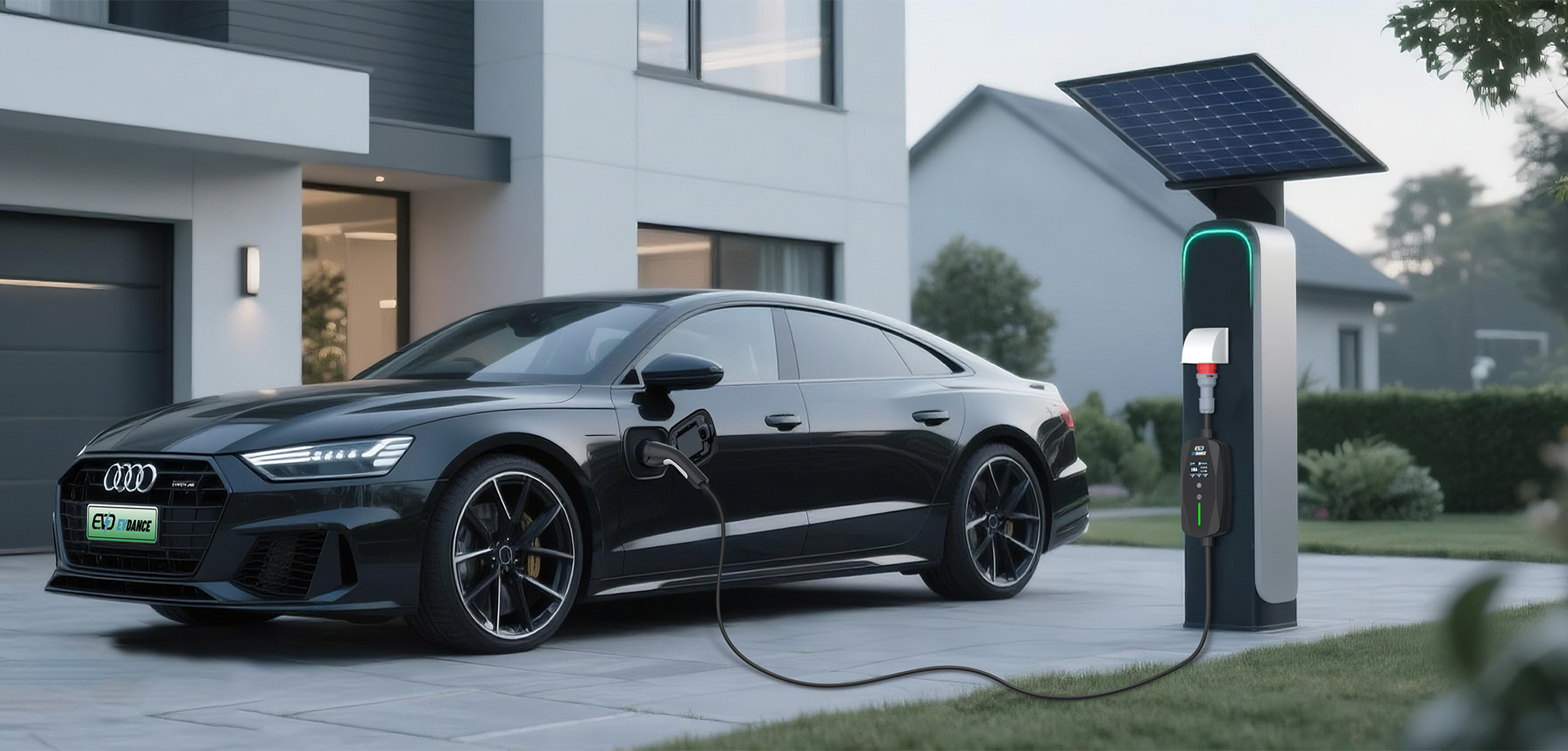
The EVDANCE EV-AC04001U is a 40 A J1772 portable charger: 9.6 kW, NEMA 14-50P, IP66 enclosure, 25 ft cable, with a 3-year standard warranty. The habits above cover the connector and the cable; for anything beyond them — including long-term storage conditions — the manual for your unit is the authority.
Frequently Asked Questions
Is the connector waterproof in storage?
The unit carries an IP66 rating, which describes its sealed enclosure under test conditions. An unplugged connector face still earns a cap and a dry spot — the rating is not a promise about weeks lying in water.
Can I leave the charger plugged into the wall between uses?
Many owners do, in a dry garage — the wall end is then settled and ready. The connector end still needs its part of the routine: covered, off the floor, and resting somewhere dry.
What if the connector already has grit in it?
Keep it out of the car until it is dealt with. Clean it following the connector cleaning guide, and if the pins look bent or damaged, ask EVDANCE support before using it again.
Related Reading
- How to Clean an EV Charger Connector
- How Long Do EV Charging Cables Last, and Can They Be Repaired?
- Can You Leave an EV Charging Cable Outside?
- How to Hide and Manage an EV Charger Cable

