
At the handover desk, the Supercharger question sounds simple: can this CCS1 car use one? The honest answer is an explanation, not a yes. A JT08 or JT09 adapter lets a CCS1 car charge at a NACS DC station, including an open Supercharger, but only where the car’s maker approves third-party DC adapter use and the site is open to that car. A good handover covers both, demos the fit, and leaves a one-page card in the car.
Key Takeaways
- The handover answer is two conditions, not a yes: maker approval for the exact car, and a site open to it.
- Staff show buyers where each answer is checked; neither gate is certified from the desk.
- The demo covers fit, the end-session-first rule, and inspection — minutes that save a failed trip.
- A one-page card outlasts the handover conversation; the JT08/JT09 choice is a handling preference.
The Question Behind the Question
The buyer is really asking about road trips: whether the NACS network — Superchargers above all — is open to the car they are collecting. An adapter genuinely opens that door. Neither gate belongs to the dealership or the adapter maker: one belongs to the car’s manufacturer, the other to the network. The handover makes both visible before the first trip depends on them.
| The gate | Who decides it | What the buyer checks |
|---|---|---|
| Adapter approval | The car’s manufacturer | Its current guidance for the exact model — does it approve third-party DC adapters for this car? |
| Site access | The network (for Superchargers, Tesla) | Its current information on which sites are open to the car — checked per trip |
| The adapter itself | The adapter’s listing | Stated ratings: up to 500 A, IP66 — the session’s ceilings |
Staff never state either answer from memory — lists change. Show the buyer where each lives instead.
The Demo on the Delivery Bay
The physical half takes minutes, on the dealership’s own terms: adapter onto the station’s NACS connector first, then the pair into the car’s CCS1 inlet until fully seated.
If a demo unit is at hand, let the buyer feel the fit in their own car’s inlet — better learned in the bay than at a rainy stall. Two habits while it is in their hands:
- End the session before unplugging. Held while power flows; session first, plug second.
- Inspect before use. Both faces clean and dry, no cracks, no damaged contacts. A damaged DC adapter is retired.
Name the step-by-step DC guide on the card — the first solo trip is when questions come.
The Card That Stays in the Car
A handover is forgotten by the second week; a card in the glovebox is not. The dealership’s own document needs only six lines:
- The two conditions, in plain words: your maker must approve a third-party DC adapter for this car, and the site must be open to it.
- Adapter onto the station connector first, then into the car, pushed fully home.
- End the session first; unplug second; the adapter comes with you.
- Where to check open sites (the network’s current station information).
- Session will not start? Reseat once, check the site, check the approval — in that order.
- The dealership’s contact for charging questions.
Many dealerships stock the adapter at the parts desk as a delivery-day accessory; sold or bundled is their commercial choice, and handled vs handleless is a handling preference. The card goes in the car either way — the conditions apply to any adapter bought later, anywhere.
The Adapters on the Desk
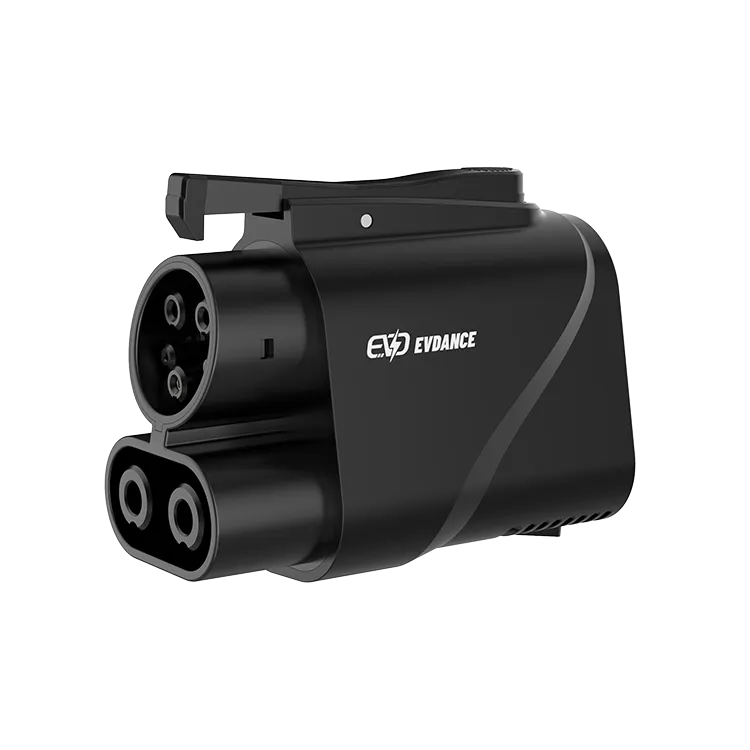
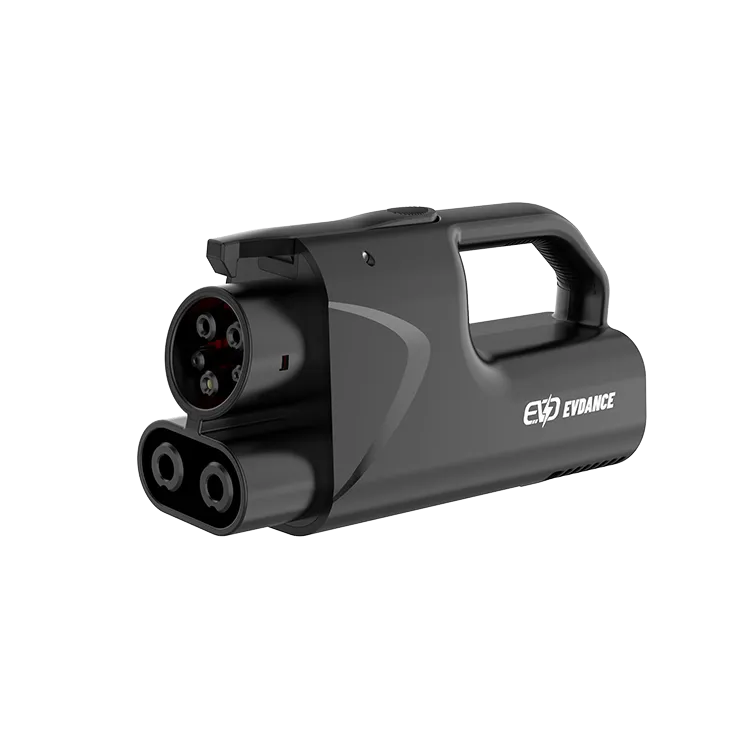
The EVDANCE JT08 (handleless, up to 500 A / 1000 V, IP66) and the EVDANCE JT09 (with handle, up to 500 A, IP66) are NACS-to-CCS1 DC adapters in the 250 kW family. Both are used only where the vehicle maker approves third-party DC adapter use for the car and the network is open to it. Neither adds power: the session is set by the station and the car’s DC acceptance. The wider picture is in can I use a Tesla charger for other cars?
Frequently Asked Questions
Can dealership staff confirm that a buyer’s car is approved for an adapter?
No — approval is the car manufacturer’s current document, for the exact model. Staff show the buyer where that guidance lives; certifying it from the desk puts the dealership’s name on a decision it does not own.
Should the adapter be part of the deal or sold separately?
The dealership’s commercial choice — either works. Not optional is the handover content: conditions, fit, and card, bundled or bought later.
A buyer returns saying the adapter does not work at a Supercharger. What gets checked first?
Three checks, in order: the site open to that car, the maker’s approval covering a third-party adapter for that model, the connector fully seated. The adapter is the last suspect — most refusals are the gates, not the hardware.
Related Reading
- EV Charging for Car Dealerships: What to Install and Why
- Can I Use a Tesla Charger for Other Cars?
- How to Use a DC Fast Charger: Step by Step

