
In freezing conditions the adapter is rarely the problem — the seat is. Cold stiffens the station’s cable, snow and ice collect in the charge-port recess and on connector faces, and gloved hands feel less of the final push. The cold-weather routine for a JT08 or JT09 is therefore a slower, more deliberate seat: clear the faces by hand, push straight and fully home, and let the session starting confirm the joint.
Key Takeaways
- In freezing weather the failure point is the seat, not the adapter: stiff cable, iced faces, gloved hands.
- Clear snow and ice by hand or soft brush only — never tools, never hot water, never a heat connector.
- Seat slowly: easy cable run, two hands, straight push, then let the session starting confirm the joint.
- No temperature rating is published for these adapters; a slow cold start is your battery’s curve, not the adapter.
What Freezing Weather Actually Changes
- A stiff cable. The station’s cable loses its easy flex and pulls the connector sideways while you are trying to mate it squarely.
- Snow and ice on the faces. It collects in the port recess and across the contact faces. A layer between the faces is a joint that is not fully made.
- Gloved hands. Less feel for the last part of the push, and a weaker grip on a smooth, cold connector.
- A slower car. A cold battery accepts charge more gently at first — a car behaviour, not an adapter behaviour.
Note what cold does not change: the adapters’ stated ratings. Their listings publish no temperature range and no cold limit, and this article will not invent one — if a specific limit matters in your climate, the manual and the manufacturer are the authority. How cold affects chargers and cables in general is covered in our guide to cold-weather EV charging.
Clearing Snow and Ice: Hands and a Soft Brush Only
| Tool | Verdict |
|---|---|
| Gloved hand, soft brush, dry cloth | The kit. Brush snow out of the recess, wipe both faces dry, look at them before you mate. |
| A key, scraper or any prying tool | Never. A scored contact face is damage that outlives the winter — and a damaged face is a retirement question, not a cleaning one. |
| Hot water or a heat connector | Never. Hot water shocks cold materials and leaves moisture exactly where you are about to make a high-current joint. Heat near the faces risks the faces themselves. |
If a face cannot be cleared by hand, that stall is not usable today. Another stall is the fix — not more force, and not a tool.
Seating When Everything Is Stiff
- Give the cable its easiest run first. Park so the stiff cable is not dragging the connector sideways; a sideways pull is how a three-quarter seat happens.
- Two hands, square on. Push straight, and push the last part deliberately. Cold is exactly when the push gets stopped early.
- Read the seat by eye and feel. Faces flush, no visible gap, no rocking when you nudge the connector.
- Let the session confirm it. A start tells you both joints are made. If it refuses, do one careful reseat — then check the permission causes, not a harder push.
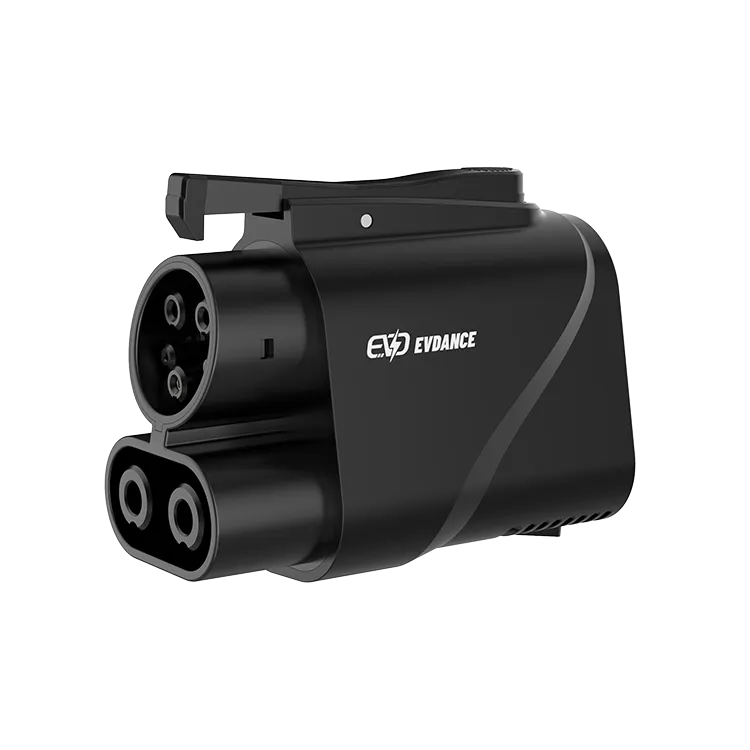
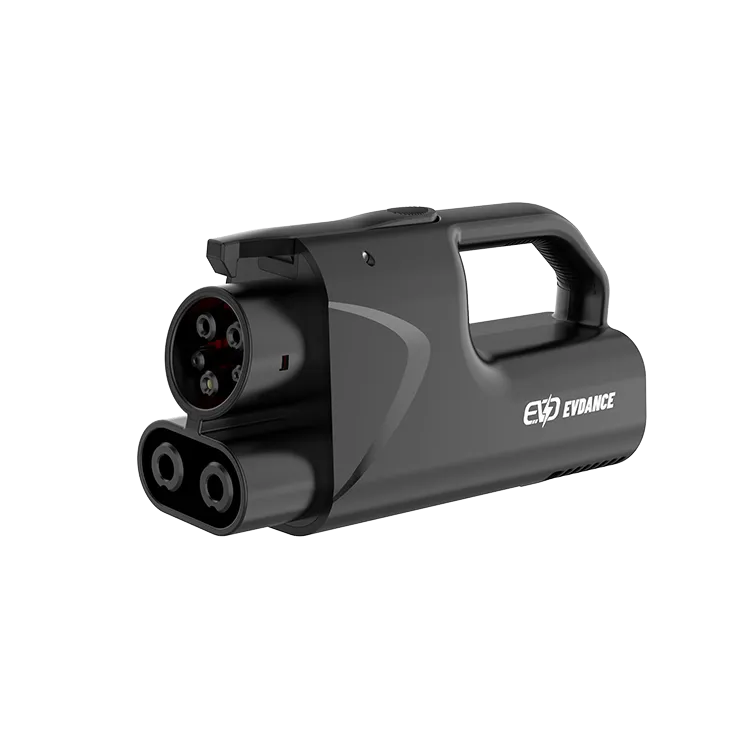
The JT09’s handle earns its place on days like these: it gives gloved hands a real grip for that straight push, where the JT08’s smooth body asks more of cold fingers.
The JT08 and JT09 in Winter
The EVDANCE JT08 and EVDANCE JT09 are both IP66-sealed — dust-tight and protected against powerful water jets. Read that rating correctly: IP66 is about dust and water getting in. It is not a temperature rating, and it does not clear ice off a face for you. Both adapters carry the standing conditions too: your car maker’s approval for a third-party DC adapter on your car, and a station open to your car. Everything else in winter is the routine above.
Frequently Asked Questions
Is there a minimum temperature for the JT08 or JT09?
Their listings state none. Do not borrow a figure from another product or a generic chart — ask the manufacturer if your climate makes the number matter.
Can I defrost the connector with hot water or a heat connector?
No. Hot water leaves moisture in the joint and shocks cold parts; a heat connector works far too close to the contact faces. Hands and a soft brush are the whole toolkit.
Why did my charge start slowly on a freezing day?
Most likely your battery, not the adapter: a cold pack accepts less at first and takes more as it warms. The adapter adds no power and takes none away.
Related Reading
- Cold-Weather EV Charging: What Happens to Chargers and Cables Below Freezing
- Are EV Charging Adapters Safe?
- How to Use a DC Fast Charger: Step by Step
- Is the Tesla Charger NACS? NACS, J3400 and Adapters Explained

