
A retailer stocking DC adapters needs its answers settled before the first unit comes back — a returned JT08 or JT09 is not an ordinary return. The box can look perfect while the adapter inside carries a drop or a heat event, so three questions matter: defect vs change of mind, the warranty route, and the inspection a returned unit must pass before resale. None of those answers is on the listing; each must be fixed in writing first.
Key Takeaways
- Settle defect vs change of mind, the warranty route, and exchange-vs-refund in your own written policy before the first return.
- A returned DC adapter can hide a drop or heat event the box does not show — that is why the inspection gate exists.
- Every return passes the same gate: interfaces, housing, fit, handle, heat signs. Any retire sign means out of service, never resale.
- Counter staff state the two conditions for adapter use; they never certify a customer’s car as approved.
The Questions to Settle Before the First Return Arrives
| Question | Why it matters | Where the answer lives |
|---|---|---|
| What counts as a defect, and what counts as change of mind? | A defect goes to warranty; a change of mind goes to your own goodwill terms | Your store policy, written before the first sale |
| Who handles a warranty claim — you, or the maker? | The customer comes to your counter first; the route behind it must already exist | The maker’s warranty document and your supply terms — see the distributor’s warranty and after-sales checklist |
| Can an opened box be resold, and as what? | Your policy call — but only after inspection, never on the customer’s word | Your store policy, plus the inspection gate below |
| Exchange or refund — and on whose terms? | The remedy’s shape should be written before staff have to improvise it | Your store policy — the listing states no return terms, so confirm any maker-side terms in writing |
Why a Returned DC Adapter Is Not Like Other Returns
A DC adapter may not carry its history visibly. A drop can crack an internal path without marking the shell, and a session on a poor connection can heat-mark contacts the box never shows. That hidden history is the reason for an inspection gate: without one, a returned unit’s unknown past becomes the next buyer’s first session, at up to 500 A. Our guide to whether EV charging adapters are safe sets out the condition checks any adapter deserves.
The Inspection Gate
Every returned unit passes the same gate before any resale decision:
- Both interfaces, face by face. Pitting, discoloration or damaged pins, on the NACS side and the CCS1 side alike.
- The housing, and heat signs. Any crack is a retire sign, not a cosmetic note — and scorch marks or a heat smell end the inspection the same way.
- The fit. A unit that rocks, sits loose or needs force at either joint is out of service.
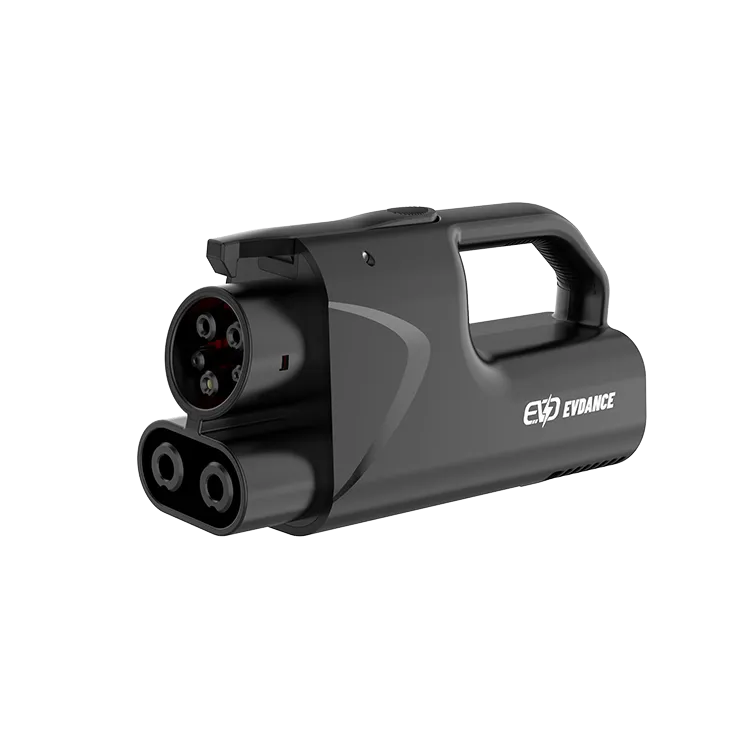
- The handle (JT09). A cracked or loose handle fails the gate on its own.
A unit that fails is retired, never discounted back onto the shelf. A unit that passes returns to stock only under your opened-box rule. Keep failed units separate from saleable stock; a gate that relies on memory is not a gate.
The Products Behind the Policy
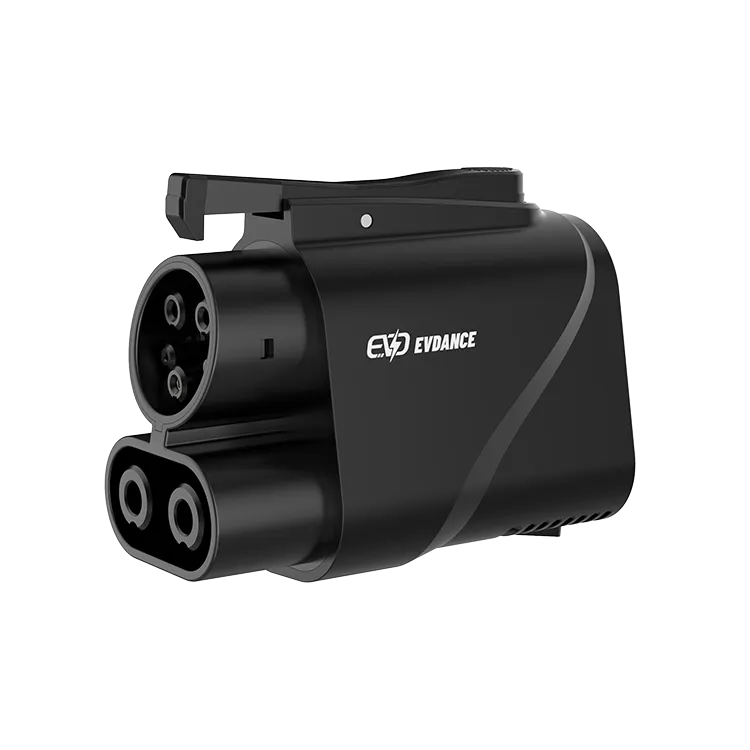
The JT08 (up to 500 A / 1000 V, IP66) and the JT09 (the same job with a handle, up to 500 A, IP66) are NACS-to-CCS1 DC adapters: a CCS1 car charging at a NACS DC station, including Superchargers open to that car. Fix supply, warranty and returns terms in writing through the resellers and distributors program before stocking. One counter rule protects your store too: staff never tell a buyer their car is approved for a third-party DC adapter — approval is the car maker’s to give, openness the network’s. Staff state the two conditions; they cannot clear them.
Frequently Asked Questions
A customer returns an adapter saying it never worked. What do we check first?
Run the inspection gate, then the story. Many no-start cases sit with the two conditions — the car maker’s approval, or a site not open to that car — rather than with the part. If the unit passes inspection and the conditions explain the failure, the remedy (exchange, refund, advice) is your policy’s call, not a warranty claim.
Can we resell a returned unit that looks perfect?
Only after it passes the full inspection, and only under your opened-box policy. “Looks perfect” is the case the gate exists for: a drop or a heat event is history a box does not show.
Who carries the cost of a genuine defect?
The warranty route does, as written in the maker’s document — EVDANCE’s standard warranty runs 3 years.
Related Reading
- EV Charger Warranty and After-Sales Terms: A Distributor’s Checklist
- Which EV Charger Has the Best Warranty?
- Are EV Charging Adapters Safe?

