
Yes — portables, wallboxes and adapters can move together in one consolidated shipment, and for an importer stocking a range it is usually the sensible way to ship: one freight booking, one clearance, one delivery. What decides the economics is packing volume, because the product classes fill a container very differently. Mixing changes nothing about documentation: every model in the load travels on its own specification, its own certificates and its own line on the packing list.
Key Takeaways
- Portables, wallboxes, stations and adapters can share one shipment; packing volume sets the freight bill.
- Get the per-model packing list — cartons, dimensions, gross weights — before freight is quoted.
- Documents stay per model inside a mixed load: invoice lines, certificates and inspection sampling.
- Minimums are per model and per agreement; the published EVDANCE figure is private label from 100 units.
How the Classes Fill Space Differently
| Product class | Packing character | Consolidation note |
|---|---|---|
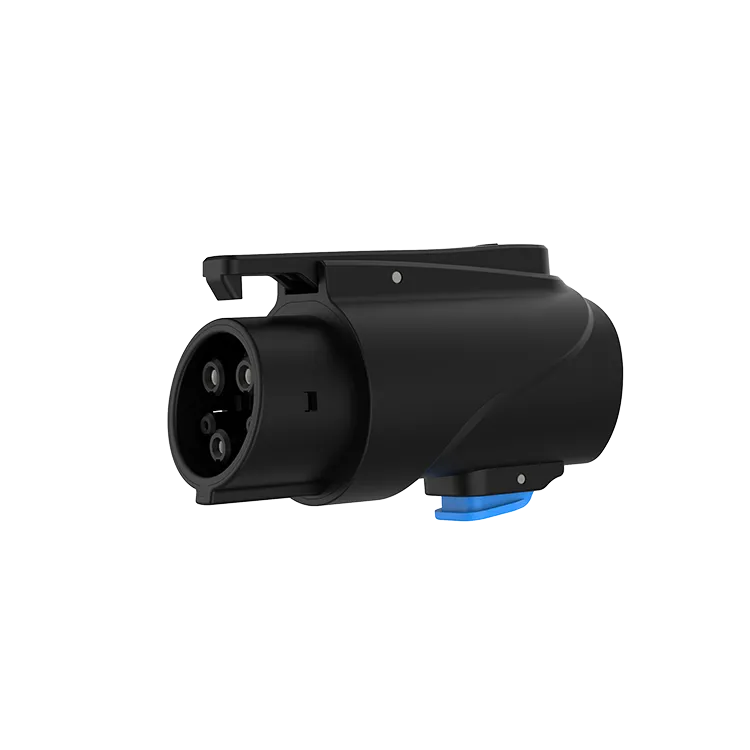
| Adapters | Small cartons, many units in little volume | The natural filler for leftover space; agree the count per carton so stock checks stay simple |
| Portables | Retail or bulk cartons, bulky for their weight because of the cable | Volume, not weight, is usually what you run out of first |
| Wallboxes | Single-unit cartons of middling size | Ask how cartons palletise and stack; assume no stacking rating the supplier has not stated |
| Stations and DC units | Largest and heaviest items, palletised or crated | They set the floor plan: position, weight spread and unloading access |
Freight on light, bulky goods is commonly priced with volume in the calculation, so the honest input is the packing list: cartons per model, dimensions and gross weights. Ask for it before the freight is quoted. A quotation built on guessed carton data produces a guessed freight bill.
One Shipment, Many Document Lines
Consolidation merges the transport, not the documents. The commercial invoice and packing list are itemised per model, so the entry can be checked line by line. The certificate file is per model as well: the wallbox’s paperwork says nothing about the portable next to it, and a model whose documents are still open will hold the load. The same logic governs inspection — our guide to pre-shipment inspection and AQL sampling shows how sampling is set per product, which in a mixed load means per line, not per container. Each model should still earn its place with a tested sample first — see our guide on testing a sample before a bulk order.
Minimums in a Mixed Order
There is no single minimum that a mixed order magically satisfies. Minimums attach to models, variants and branding work, settled in your agreement for each line. One figure is published for EVDANCE: private-label production starts from 100 units. That is a starting point for a branding conversation, not a blanket minimum for every model or kind of order — our explainer on what sets minimum order quantities shows why minimums differ. Ask for the minimum per model, in writing, when the quotation is built.
When Splitting the Shipment Is Smarter
Consolidation has one real cost: the load moves when its slowest line is ready. Split the shipment when one model is time-critical and another is still in production or waiting on documents, or when a line is a first sample run you have not approved yet. Our comparison of FOB vs DDP importing covers who carries each leg under your chosen terms, and our guide on building a distributor product line covers which classes belong in the range.
Mixing the EVDANCE Range
The EVDANCE range spans the classes: portables, wallboxes such as the EV-ACT5006T, the EV-AC03201T dual-connector station, the EV-RHDC30K-L DC charger and adapters such as the JT02, on the products page. EVDANCE is a Shenzhen manufacturer founded in 2011, exporting to more than 30 countries, with a 3-year standard warranty. A mixed quotation — models, packing data and per-model minimums — is arranged through our distributor program or the contact page.
Frequently Asked Questions
Does one model’s certificate cover the other models in the same shipment?
No. Certificates name exact models. Every line in a mixed load needs its own documents check, including models whose listings state no mark — mixing the transport does not merge the paperwork.
Will a mixed order be cheaper to ship than separate orders?
Usually, because one booking fills space that separate part-loads waste, and clearance happens once. The saving is real only when the packing data is real, so compare on the supplier’s actual carton list.
Does mixing models delay the shipment?
It can. A consolidated load leaves when the last line is produced and documented. If one model runs late, either the whole load waits or that line splits into a second shipment — decide which you prefer before it happens.
Related Reading
- How Distributors Can Build a Profitable EV Charger Product Line
- FOB vs DDP: How to Import EV Chargers From China Without Surprises
- Pre-Shipment Inspection and AQL Sampling for EV Charger Orders
- How to Test an EV Charger Sample Before Placing a Bulk Order

