
Importing EV chargers into Peru runs on two clocks at once. The production clock covers artwork, the Spanish language set and the evidence file for the exact model; the paperwork clock covers the conformity confirmation, the customs pack and the question of who acts as importer of record. The shipment leaves only when both clocks have closed — as of October 2026, every Peru-specific item on either clock is a written confirmation.
Key Takeaways
- Two clocks run in parallel: production (artwork, Spanish set, exact-model evidence) and paperwork (conformity, customs, importer of record).
- The shipment leaves only when both clocks have closed — conformity before the order, artwork before print.
- Altitude, for high-elevation placements, is a document on the production clock: the model’s stated limit, in writing.
- Clearance is not installation approval; the installation track has its own authority and signatories.

Clock One: Production
This clock runs at the factory, and its items are cheap exactly once — before print. Confirm the Spanish rating-label and carton wording against the model’s documents, with who translates and who approves fixed in the order. Confirm the Spanish manual and safety set the same way; our guide to private-label packaging, labeling and manuals covers how language variants are handled on an order. Assemble the exact-model evidence in parallel: test reports and certificates for the model as configured for this order — ratings, connector and supply variant. If units are destined for high-elevation sites, add one more document to this clock: the model’s stated operating-altitude limit, requested from the manufacturer in writing. No listing states one, so it is obtained as a document, never assumed.
Clock Two: Paperwork
This clock runs with your importer of record and customs broker. Its lead item is the conformity confirmation for the exact model: whether this model, in this configuration, may be placed on the Peruvian market, under which route, and which existing test reports count toward it. How certification families relate in general is covered in our guide to EV charger certifications; the Peruvian answer is the written reply to your importer. Alongside it, the broker confirms the customs classification and lists every clearance charge as a current figure for your shipment — the landed-cost structure our FOB vs DDP guide sets out. And settle who the importer of record is before anything moves: that party holds the conformity answer and answers for the goods.
| Item | Which clock | Who closes it | Must close before |
|---|---|---|---|
| Conformity route for the exact model | Paperwork | Importer of record, with the conformity authority | The order is placed |
| Spanish rating label and carton wording | Production | Manufacturer; importer checks | |
| Spanish manual and safety set | Production | Manufacturer; translation approval fixed in the agreement | |
| Stated operating-altitude limit, for high-elevation placements | Production | Manufacturer, in writing | The order is placed |
| Customs classification and clearance charges | Paperwork | Customs broker | Freight is booked |
| Installation approvals for fixed units | Neither — a separate track | Licensed local installer, with the installation authority | The site contract |
Neither Clock Admits the Charger to a Wall
Both clocks end at the port and the print room. Clearance admits the goods into Peru; it does not authorise connecting them. Fixed installations are confirmed with the local installation authority and carried out by licensed installers, on their own track with their own signatories. Quote a project only when that track is closed for the site.
Ordering Peru-Bound Chargers From EVDANCE
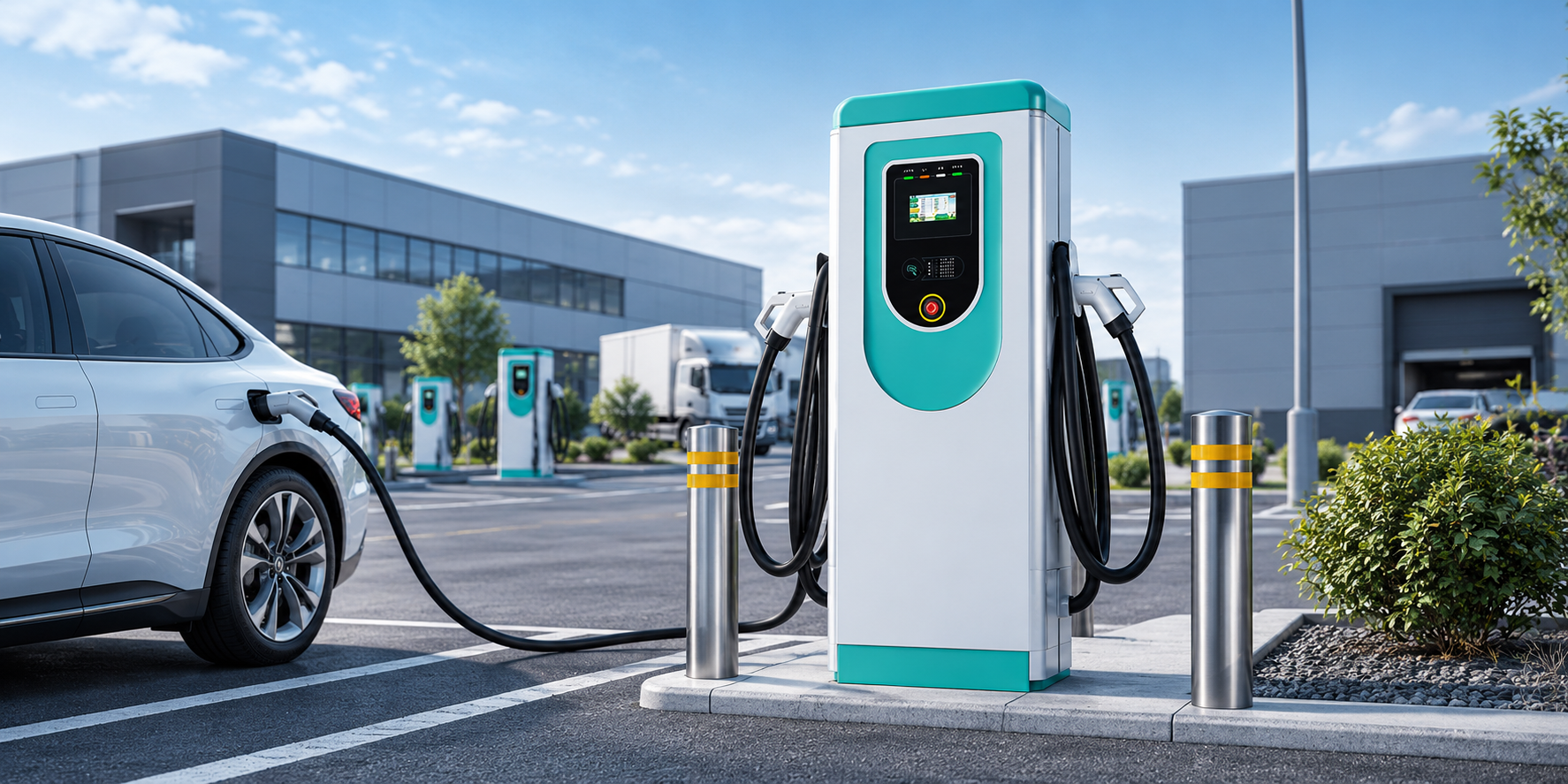
EVDANCE is a Shenzhen manufacturer founded in 2011, exports to more than 30 countries and carries a standard 3-year warranty. For Peru orders, open both clocks at quotation stage: EVDANCE can supply the documentation pack for the units you order — test reports, certificates and technical files for models such as the EV-AC03201T dual-connector AC station — so your importer of record can run the conformity confirmation against real documents, and the Spanish artwork can be frozen while changes still cost nothing. Start via the reseller and distributor program or contact us with the model and quantity you plan to import.
Frequently Asked Questions
Which certificate does Peru require for an EV charger?
That is a written-confirmation item, not a name to copy from a guide. The route depends on the exact model and configuration; close it through your importer of record, including which existing test reports count toward it, before ordering.
When do the Spanish labels and manuals have to be final?
Before print — they sit on the production clock. Language and content are confirmed at order stage, while artwork and manual files can still be changed; confirming them after production turns a paperwork item into rework.
Can the shipment leave while one clock is still open?
No. Goods that sail with the conformity answer open, or with artwork unapproved, arrive as a problem with freight already paid. The two-clock rule is simple: both closed, then booked.
Related Reading
- EV Charger Certifications Explained: CE, UKCA, UL, ETL, CB and What Buyers Should Ask For
- FOB vs DDP: How to Import EV Chargers From China Without Surprises
- Private-Label EV Chargers: Packaging, Labeling and Manuals
- Rating Labels and Required Markings on EV Chargers

