
A winning tender response is rarely the best-written one; it is the most completely evidenced one. Evaluators can only score what they can verify: every question answered, every claim tied to a document, nothing promised beyond the file. The method below maximises the score your real capability earns — it cannot rescue a bid built on hardware you cannot evidence.
Key Takeaways
- Build the compliance map first: question, answer, evidence, owner — mandatory items before prose.
- Marks are lost on unevidenced claims, spec drift and unpriced scope, not on writing style.
- Keep a versioned evidence library; never invent a reference site to fill a row.
- Price the whole contract shape — hardware, installation and service years as visible lines.

Start With the Compliance Map, Not the Prose
Before writing a paragraph, build the map the whole bid hangs on: every question and requirement in the documents, your answer, the evidence document behind it, and the person who owns it. Work the mandatory items first — a missed one can end the evaluation before scoring starts. Any row whose evidence cell is empty is a decision, not a writing problem: get the document, ask a clarification question through the route the documents give, or do not bid that lot.
Where Bidders Actually Lose Marks
| Failure | What it looks like | The fix |
|---|---|---|
| Unevidenced claims | A protocol version claimed beyond the model’s file — “OCPP-ready” answered as if compliant | Quote the listing’s exact wording; attach the document |
| Spec drift | Figures copied from a sibling model; the question wished-for answered instead of the one asked | Answer from the compliance map, line by line |
| Format misses | A long narrative where a table or form was requested | Mirror the requested format exactly |
| Commercial gaps | Hardware priced, installation and service years left vague | Price every scope line the documents define |
| Soft commitments | Delivery and response promises with no system behind them | Commit only to what your process already does |
The unevidenced-claims row is where charger bids most often hurt themselves, because model families share marketing pages while their files differ. Our guide to EV charger certifications explains why evaluators ask for the documents behind the marks: a claim they cannot check scores like a claim you never made.
Build the Evidence Library Once, Reuse It Every Time
- Exact-model documents: datasheet, declaration and test reports per model and per configuration — cable and socket variants are different evidence.
- Company facts you can prove: incorporation, factory, export record, warranty text. State only what a document backs.
- Service process documents: how maintenance and faults are handled, written as a process — our commercial maintenance checklist shows the level of detail operators work to.
- Reference evidence: only projects you can document and are permitted to name. Never invent a reference site to fill a row.
Version the library and refresh it per tender: last year’s file on this year’s bid is spec drift by another name.
Price and Programme Are Part of the Response
Evaluators compare like with like, so present the price the way the contract will run: hardware, installation and each service year as visible lines. For a sanity check on installation lines, U.S. DOE figures put public Level 2 at about $3,500 equipment plus $2,500 installation per connector, and DC fast charging at $38,000–$90,000 equipment plus $20,000–$60,000 installation — U.S. context only, never a substitute for your own priced survey. State delivery and response times as commitments your operation already meets; a programme you cannot keep is a penalty written in advance.
Getting Manufacturer Evidence as a Bidder
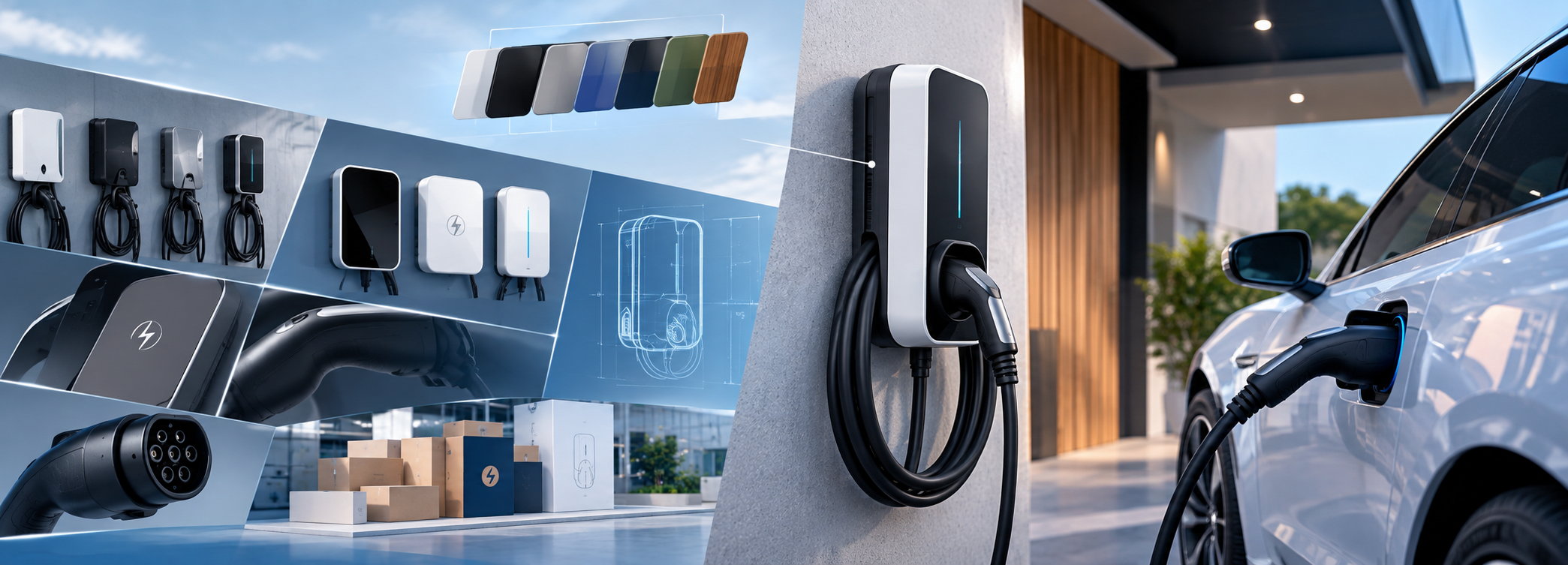
If you bid with EVDANCE hardware, the evidence route is the reseller and distributor program: request the exact-model document pack for the configuration you are tendering. Bidders who need their own brand on the product and the file use the OEM and private-label program — EVDANCE offers private label from 100 units, was founded in 2011, exports to more than 30 countries and gives a 3-year standard warranty, all stated facts you may quote. Anything beyond the file, ask in writing via contact us before the submission deadline, so the answer can go into the bid.
Frequently Asked Questions
How long should a tender response be?
As long as the questions require. Completeness scores; padding does not. Follow the format and any length limits the documents set, and spend the effort on evidence instead of adjectives.
Can good writing beat a lower price?
Evaluation follows the criteria in the tender documents. Writing wins the marks for quality and evidence; it cannot change the price arithmetic.
What if we cannot meet a mandatory line?
Do not claim it anyway. Bid a different lot, partner with a supplier whose file covers the line, or skip the tender. An overclaim found during the contract risks far more than one lost bid.
Related Reading
- EV Charger Certifications Explained: CE, UKCA, UL, ETL, CB and What Buyers Should Ask For
- Commercial EV Charger Maintenance Checklist
- How Much Do Commercial EV Chargers Cost?
- How to Plan a Workplace EV Charging Program

