
Some warmth is normal — a charger is power electronics working for hours, shedding heat as it goes. Overheating is different: the unit slows down or stops to protect itself, or heat shows up at the plug instead of the casing. If there is a smell of burning, discoloration or melting, stop the session, do not use the charger again, and have it checked by a qualified installer or the manufacturer.
Key Takeaways
- Warmth in a working charger is normal; heat at the plug, repeated cut-outs, or damage signs are not.
- The cause classes: the room, the connection points, long full-current sessions, the unit itself.
- Respond in order: stop, cool, look without opening, record the pattern, escalate on repeats.
- On adjustable chargers, a lower setting is a fair test; overheating there means a fault to report.
Reading the Signs: Warm, Slowing, or Stop Now
| What you notice | What it usually points to | What to do |
|---|---|---|
| The casing is warm during a long session | Normal work — the unit shedding the heat it makes | Nothing, as long as charging runs normally |
| Charging slows down on hot days | The unit protecting itself by reducing output | Note when it happens; a pattern is worth reporting |
| The plug or connector is hot, not just warm | A connection point — a worn socket or a plug not mating cleanly | Stop the session; have the connection checked before reuse |
| Sessions stop repeatedly, or an error shows | Protection tripping, or a fault developing | Stop using it; escalate to the installer or manufacturer |
| Smell of burning, discoloration, damaged plastic | Damage at a contact or inside the unit | Stop now. Do not reuse until qualified service clears it |
Where the heat is matters. Warmth across a working unit is physics; heat at one plug, or repeated cut-outs, is information.
The Usual Cause Classes
The cause almost always sits in one of four places:
- The room or the weather. A unit in a hot, still space — a sun-baked wall, a closed garage on a hot day — has nowhere to shed heat. The same charger on an open, shaded wall may never trip.
- The connection points. Plugs, sockets and contacts wear. A worn or dirty contact does not carry current cleanly, and resistance turns into heat exactly at that point — the classic cause of a hot plug.
- Long sessions at full current. Heat builds over hours; a charger at maximum through the hottest part of the day is doing the hardest version of its job.
- The unit itself. If none of the above fits and the behaviour is new, the fault may be internal. That is a service question, not a user repair — the casing stays closed.
What to Do, in Order
- End the session the normal way, through the car or charger, and unplug once it has stopped.
- Let everything cool, then look — do not open. Check plug, cable and socket for damage or a loose fit, eyes only.
- Write down the pattern: the weather, how long the session ran, the current setting, and where the heat was — the first things an installer or manufacturer will ask.
- If it happens again, or you saw any damage sign, stop using the charger and call the installer or the manufacturer. Once on the hottest day of the year is conditions; weekly is a problem.
If Your Charger Has Current Settings
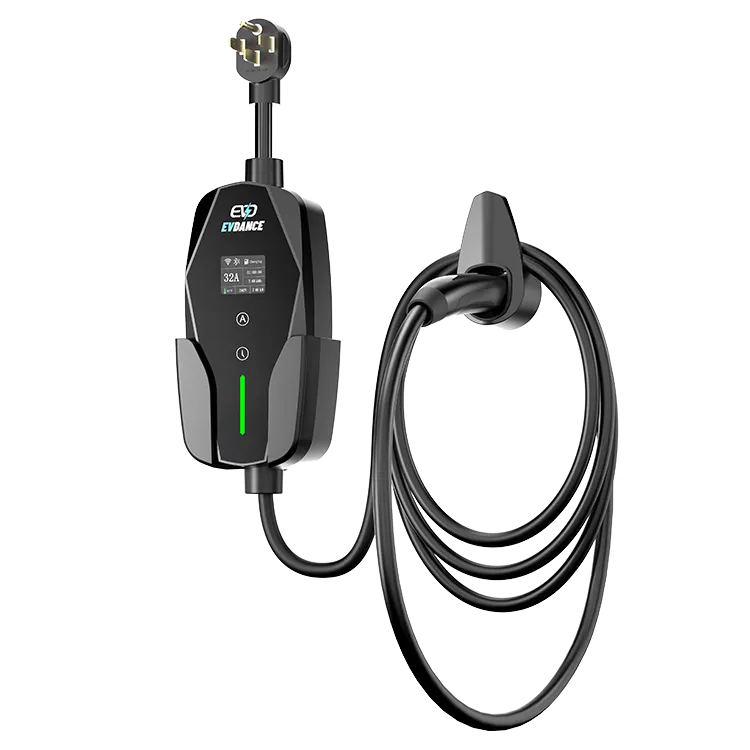
Adjustable chargers give you one legitimate lever. The EV-ACS3210T (10–32 A in six steps, NACS, IP66) and the EV-ACS4005T (16/24/32/40 A adjustable, 9.6 kW, IP66) can be set below their maximum, and a lower setting is less heat for the unit and the connection to shed. Set it by the manual and treat the result as a test: if the charger still overheats at a reduced setting in mild weather, the cause is not the weather — escalate it. The broader picture is in our overview of whether home EV chargers are safe.

Frequently Asked Questions
Is it normal for the plug to feel warm?
Slightly warm can be normal at the end of a long, high-current session. A plug that is hot rather than warm, or getting worse over time, is a connection asking to be checked — stop and have it looked at before relying on it again.
Can I keep charging if the charger slows itself down?
A single slowdown on a very hot day is the protection doing its job, and the session can finish. Repeated slowdowns, or slowdowns in mild weather, are a pattern to report.
Should I open the charger to see what is hot inside?
Never. Chargers are sealed units with no user-serviceable parts inside; opening one is a safety risk and the end of any warranty discussion. Diagnosis stops at what you can see, smell and record.
Related Reading
- Are Home EV Chargers Safe?
- Hot-Climate EV Charging: Protecting Chargers From Desert Heat and Sun
- Do You Need an EV Charger Enclosure? How to Choose an Outdoor Enclosure
- What Is a Standard EV Charger Installation?

