
You check a factory’s quality in the order your money moves: documents first, samples second, the production run third — and you do not fund the next stage until the current one passes. Documents prove the paperwork, samples prove one unit works as specified, and production evidence proves the thousandth unit matches the first. Run the ladder in that order and a failure costs you a sample order, not a container.
Key Takeaways
- Check in the order money moves: documents, samples, production — with a gate before each stage is funded.
- Verify test reports with the issuing laboratory, for your exact model and market.
- Keep the approved sample; it is the baseline the production run is judged against.
- Evidence reduces risk but never removes it — the warranty and remedy terms carry what is left.
The Ladder at a Glance
| Stage | What you check | The gate before you proceed |
|---|---|---|
| 1. Documents | Test reports and listings verified with the issuing laboratory; the spec sheet; the name on the certification | Every document confirmed with its issuer, for the exact model you are buying |
| 2. Samples | A production-representative unit: function, fit, finish, documents matching the physical unit | The sample passes and becomes the written baseline for the order |
| 3. Production | Per-unit test records, consistency across the run, inspection of finished cartons before shipment | The shipment is accepted against the sample and the records — or the agreed remedy applies |
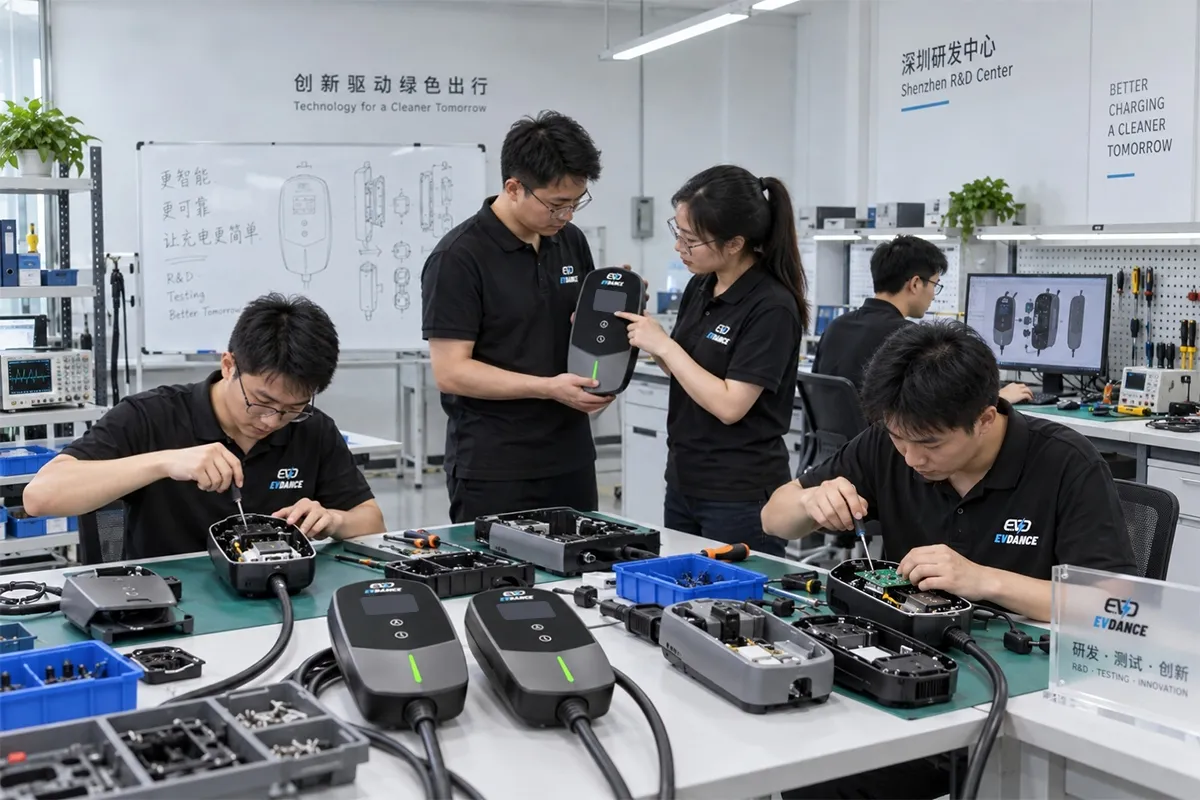
Stage 1: Documents, Verified With the Issuer
Start with paper, because paper is cheap to check and expensive to skip. Ask for the test reports and listing details behind every certification mark the charger carries, then confirm them with the issuing laboratory or certification body — through contact details you find yourself, never ones the supplier hands you. A report can be genuine and still not cover your model, variant or market, so check its model list, standard and ratings against the unit you are ordering. Our guide to who owns the certificate in a private-label charger explains why the name on the file matters as much as the mark on the box. A missing spec-sheet field is a question to close now, not after production.
Stage 2: Samples, Checked Against the Paper
A sample converts claims into one physical unit you can test. Judge what a buyer can judge without a laboratory: the unit functions as specified on your own vehicles or test setup; the connector, cable and enclosure match the photographs and drawings you approved; and the rating label, manual and packaging match the stage 1 documents’ model identity.
Our guide to how to test an EV charger sample before a bulk order works through that bench-checking. Keep the approved sample, or a complete photographic record of it — it is the baseline the production run is judged against.
Stage 3: Evidence From the Production Run
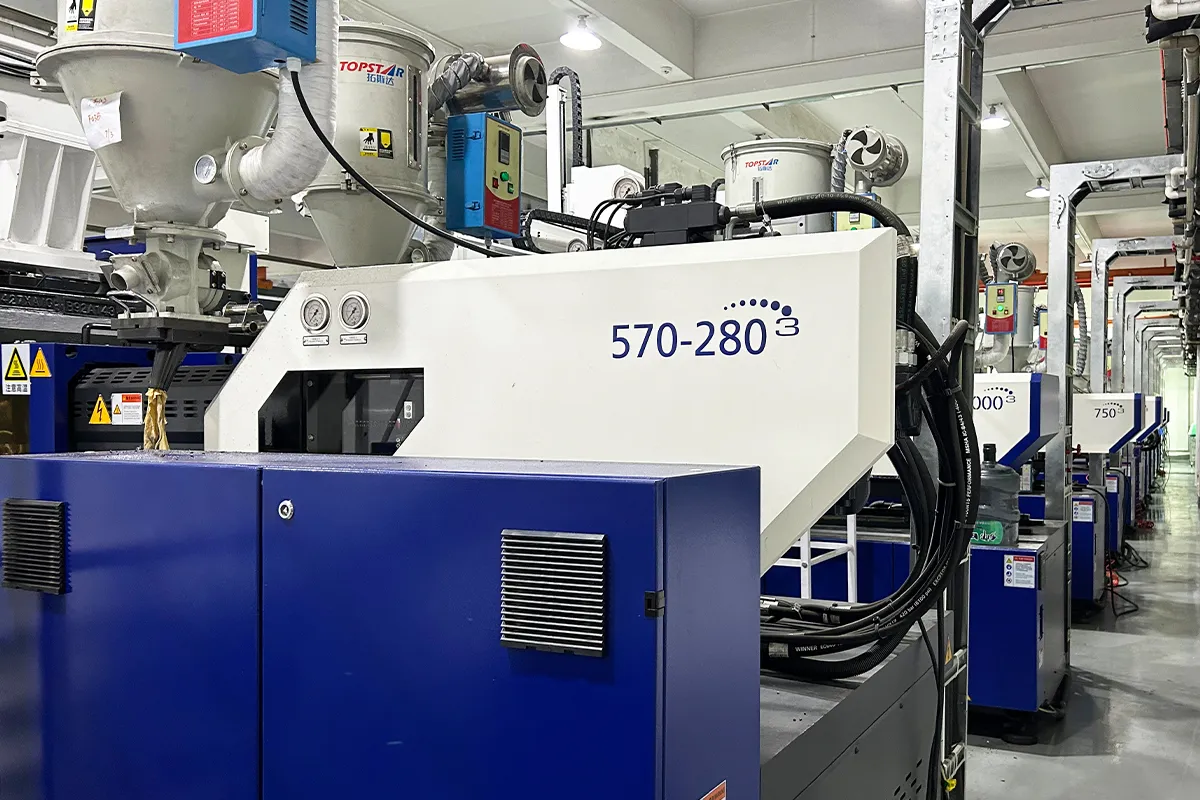
Production is where quality is either repeated or lost, so ask what evidence the run itself produces. End-of-line test records show each unit passed its electrical and functional checks; revision records show the boards and firmware in your cartons are the approved ones. Before the goods leave, an inspection of finished cartons — your own inspector or a third party — samples the shipment for count, condition and conformity to the approved sample; our guide to pre-shipment inspection and AQL sampling covers how that sampling is set up. Defect definitions, remedies and claim windows for a failed check belong in your supply terms before the first order.
The Honest Limit — and the Same Ladder for EVDANCE
No ladder eliminates risk; it reduces it, stage by stage, and moves what remains into writing — the warranty and remedy terms you agreed before ordering. EVDANCE submits to the same sequence: a Shenzhen manufacturer founded in 2011, exporting to more than 30 countries, with private label from 100 units and a 3-year standard warranty. Request the report numbers for the model you are evaluating, such as the EV-ACT5006T, verify them with the issuer, then order samples. Start through the resellers and distributors programme or the contact page, and hold us to the same gates as any factory.
Frequently Asked Questions
What is the single most useful quality check?
Verifying the test report with the issuing laboratory. It costs an email, happens before serious money moves, and separates real certification from paperwork that merely looks real.
Can I skip samples if the documents check out?
Documents prove a model was tested; only a sample proves the unit in front of you matches it. Skip this stage and mismatches — a plug variant, a label, a cable length — surface at container scale instead of desk scale.
Does a factory audit replace these checks?
No. An audit examines the factory’s systems on one day; the ladder checks your product and your shipment. They complement each other, but neither substitutes for verified documents and an inspected shipment.
Related Reading
- EV Charger Factory Audit Checklist for Importers
- Pre-Shipment Inspection and AQL Sampling for EV Charger Orders
- How to Test an EV Charger Sample Before Placing a Bulk Order

