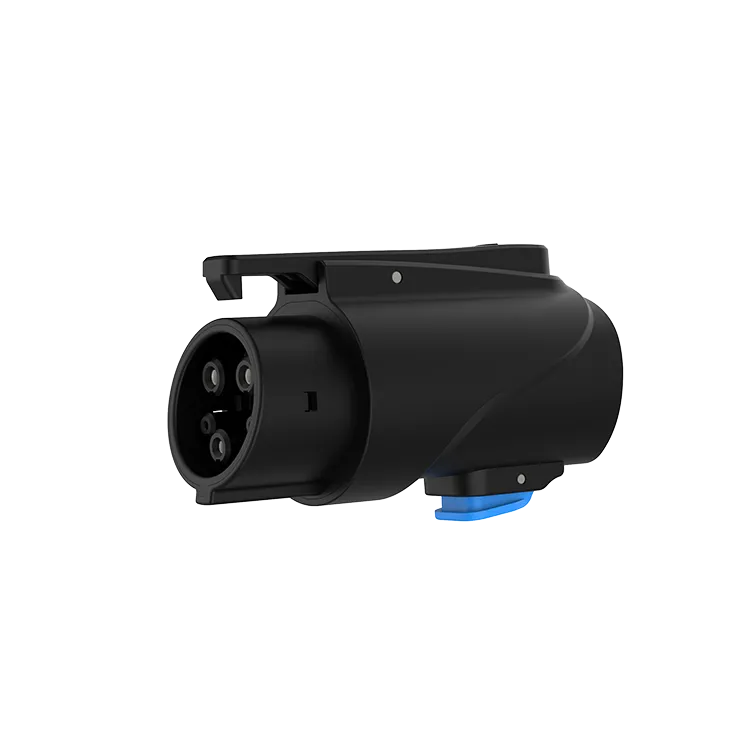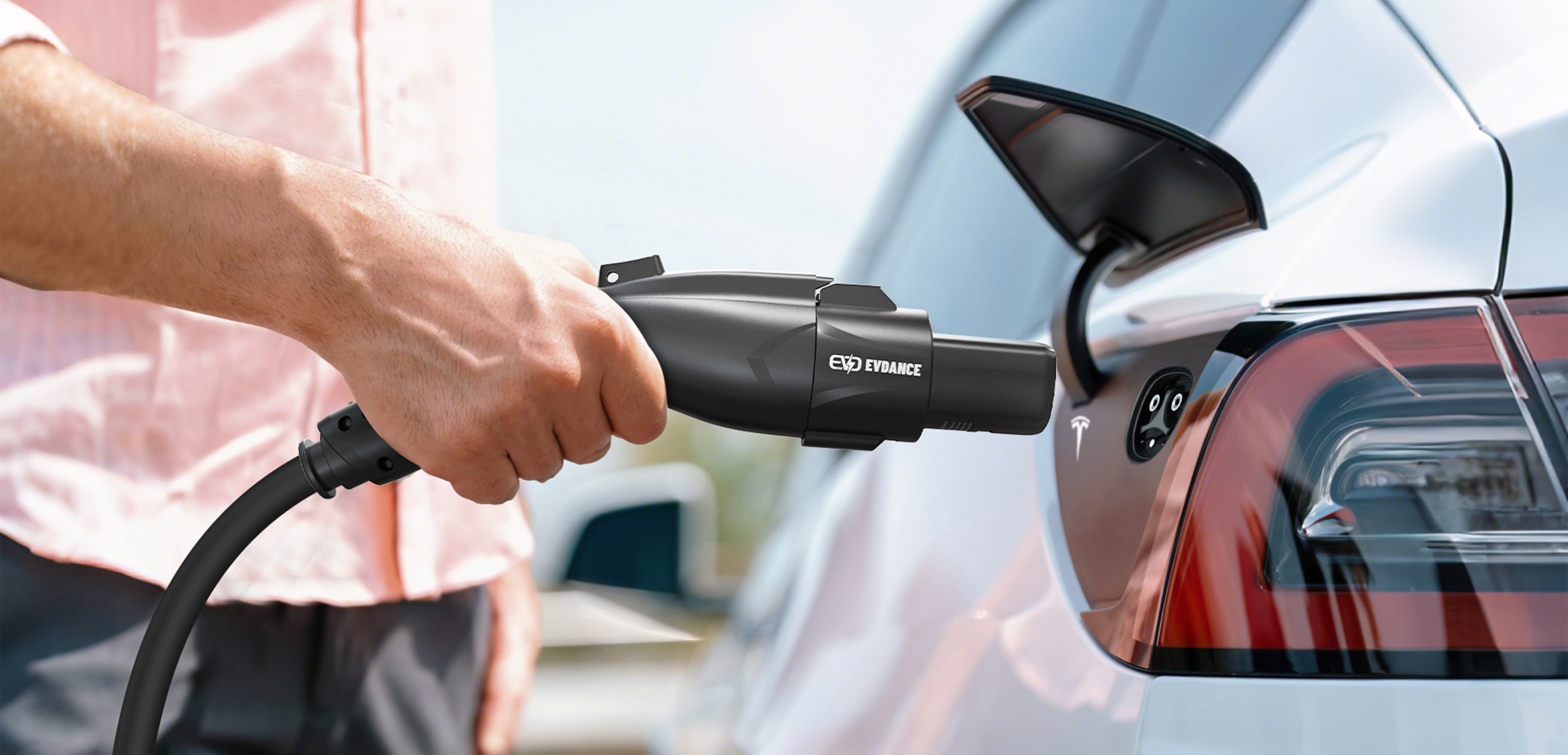
The connector is the first specification an EV charger buyer should check and the easiest one to get wrong. A charger with the wrong vehicle connector simply does not fit the car. Three AC connectors cover most of the world today: Type 2, J1772 and NACS. This guide explains where each is used and what it means for distributors choosing a product range.
Type 2 (IEC 62196-2): Europe and Much of the World
Type 2 is the standard AC connector across the European Union, the UK, Australia, New Zealand, most of the Middle East and much of Asia and Latin America. It supports single-phase and three-phase charging, which is why a Type 2 charger can deliver 7.4 kW on a single-phase home supply or 11 kW and 22 kW on a three-phase supply. Its DC fast-charging counterpart is CCS2, which adds two large DC pins below the Type 2 head.
J1772 (Type 1): The North American Original
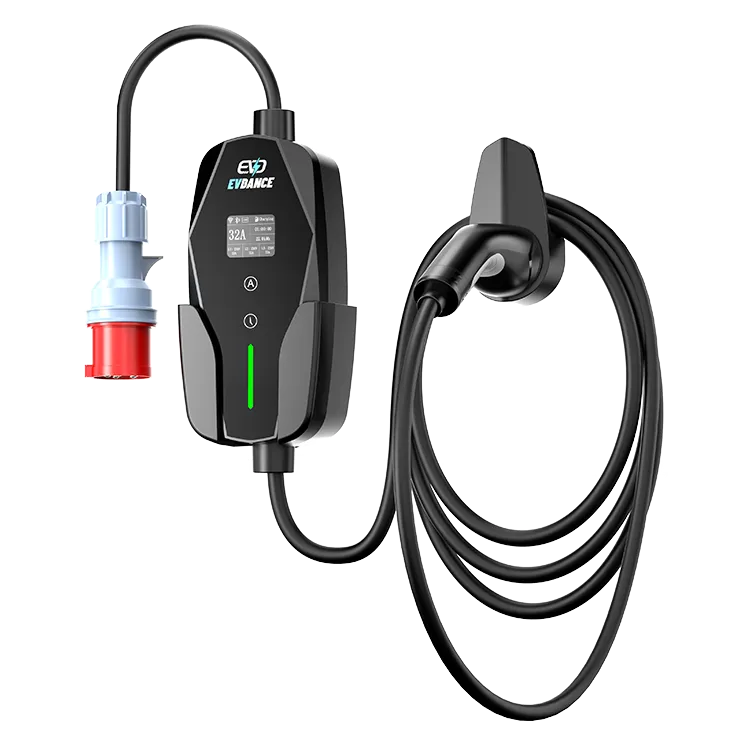
SAE J1772 has been the standard AC connector for non-Tesla vehicles in the United States and Canada for over a decade, and is also used in Mexico, Japan and South Korea. It is a single-phase connector, and in North America Level 2 charging with J1772 typically runs at 240V and up to 48A on a suitably sized circuit. Its DC version is CCS1.
NACS (SAE J3400): The New North American Default
The North American Charging Standard was developed by Tesla and has been standardized by SAE as J3400. Most major automakers selling in North America have committed to NACS ports on new models, while millions of J1772 and CCS1 vehicles remain on the road. The same compact NACS connector carries both AC and DC charging.
For distributors, that transition means demand for both connector types, plus adapters such as NACS-to-J1772 for AC and NACS-to-CCS1 for DC charging.
Side-by-Side Comparison
| Type 2 | J1772 | NACS (J3400) | |
|---|---|---|---|
| Main markets | EU, UK, Australia, NZ, Middle East, much of Asia | USA, Canada, Mexico (older and non-Tesla vehicles) | USA, Canada (Tesla and new models) |
| AC phases | Single- or three-phase | Single-phase | Single-phase |
| Typical AC power | 7.4 kW (1-phase) to 22 kW (3-phase) | Up to about 11.5 kW at 48A | Up to about 11.5 kW at 48A |
| DC version | CCS2 | CCS1 | NACS (same connector) |
How to Choose Connectors for Your Product Range
- Selling in North America: stock both NACS and J1772 versions, plus AC and DC adapters. See our US market page.
- Selling in Europe, the UK or Australia: Type 2 only, with single-phase and three-phase versions. See our German market page for an example.
- Selling in mixed markets: confirm the inlet on the vehicles your customers actually drive before ordering.
Related Reading
- OEM and Private-Label EV Chargers: A Complete Guide for Brands
- Charging a Tesla: Type 2 in Europe, NACS in North America
- CEE Plugs Explained: Choosing 16A or 32A for a Three-Phase Portable EV Charger
- EV Charging News: T&E Finds EU Charging Has Outpaced EV Sales in All but One Country
Key Takeaways
- Type 2 is the AC standard in Europe, the UK, Australia and most of the world, and supports three-phase charging.
- J1772 is the legacy North American AC connector and remains common on the road.
- NACS (SAE J3400) is becoming the default on new North American vehicles.
- North American distributors need both J1772 and NACS products plus adapters; Type 2 markets need single-phase and three-phase options.
Sources & Standards
- IEC 62196-2 — Type 2 AC connector standard
- SAE J1772 — Conductive Charge Coupler (Type 1 / CCS1)
- SAE J3400 — North American Charging System (NACS)
- Regulation (EU) 2023/1804 — Alternative Fuels Infrastructure Regulation (AFIR)