
Before stocking a NACS-to-CCS1 DC adapter, retailers should ask the supplier what testing the adapter has passed, which standards and listings apply, what the label shows, what documentation and instructions ship with it, and how liability and recalls are handled. DC adapters carry very high current, so documented testing matters more than for most accessories. For the JT08 and JT09, ask EVDANCE for the current test reports and documentation for your market.
Key Takeaways
- Ask for test reports, listings and the lab that issued them.
- Check labels match documentation.
- Avoid blanket compatibility claims.
- Test a sample before stocking.
The Supplier Question List
| Question | Why it matters |
|---|---|
| Which tests has the adapter passed, and by which lab? | Evidence of electrical and thermal performance |
| Is it listed or certified for my market, and to what standard? | Retail and insurance requirements |
| What are the rated current, voltage and IP rating on the label? | Labels must match documentation |
| Which vehicles and automakers approve its use? | Avoid selling into unapproved uses |
| What instructions and warnings ship with it? | Safe use and liability |
| Who is the importer or responsible party? | Accountability in your market |
| How are defects, returns and recalls handled? | After-sales risk |
| Can I see a sample and the test report before ordering? | Due diligence |
Listings and Recognised Labs
In the United States, product listings come from Nationally Recognized Testing Laboratories recognised by OSHA. Standards for DC adapters continue to develop, so ask what the adapter is tested to and when the report was issued. Read UL and ETL listing explained and charger certifications explained.
Labels and Documentation
The label should show model, ratings, IP level and manufacturer or importer. Instructions must state that the adapter is for DC use only where the automaker approves and the station is open to the vehicle. Our guide on required rating label markings covers labelling basics.
Liability and Marketing Claims
As the seller, you may share responsibility for the products you sell. Avoid claims you cannot support, such as compatibility with every car. Keep supplier documents on file. Read product liability for private-label brands if you plan to sell under your own name.
Test a Sample
Inspect build quality, fit on real stations and vehicles where approved, and check heat after a long session. Compare the sample with the photos and specifications in the documentation, and keep it as a reference unit so you can check later production batches against it. If anything differs, such as markings, materials or the latch mechanism, ask the supplier to explain before you place the order.
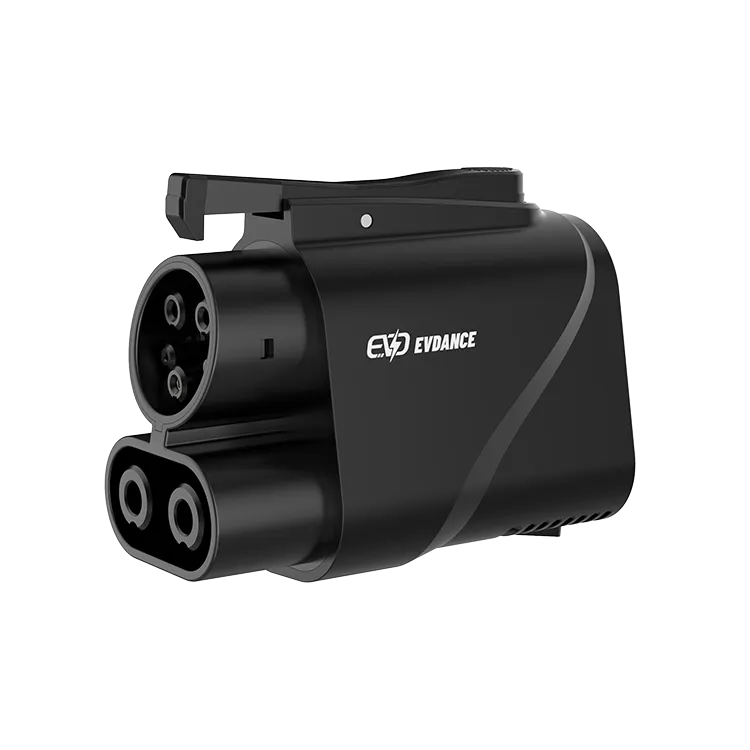
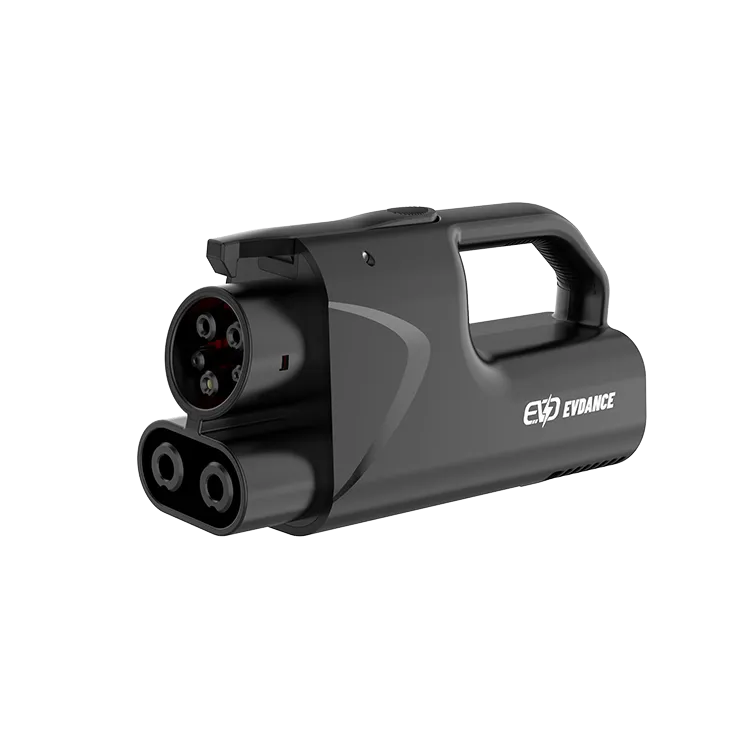
The JT08 and JT09 are NACS-to-CCS1 DC adapters rated up to 500 A with IP66 protection; the JT09 adds a handle. Retailers can request documentation through the reseller program.
Frequently Asked Questions
What certification should a DC charging adapter have?
Ask which tests it has passed, by which lab, and whether it is listed for your market. Standards are still developing, so check report dates.
Should retailers list compatible vehicles?
Only where automakers approve adapter use. Avoid blanket compatibility claims.
Who is responsible if an adapter fails?
Responsibility can be shared across the supply chain. Keep documentation and follow recall procedures.
Related Reading
- UL and ETL Listing for EV Chargers: How NRTL Certification Works
- EV Charger Certifications Explained: CE, UKCA, UL, ETL, CB and What Buyers Should Ask For
- Rating Labels and Required Markings on EV Chargers
- Product Liability for Private-Label EV Charger Brands

