
To manufacture EV chargers you need more than an assembly line. After a design passes certification, the factory must run a quality management system, perform routine safety tests on every unit, accept follow-up inspections from the certification body, control every design or supplier change, and trace each serial number to its parts and test results. These ongoing duties are what separate a compliant charger maker from an assembler.
Key Takeaways
- Manufacturing chargers means continuous compliance, not one-time certification.
- Every unit needs routine safety tests, and certifiers inspect the factory.
- Uncontrolled part changes can void a certification.
- Most new brands partner with a certified factory rather than build one.
The Ongoing Obligations of a Charger Factory
| Obligation | What it means on the factory floor | Who checks it |
|---|---|---|
| Quality management system | Documented procedures, training, supplier control and corrective actions, often to ISO 9001 | Registrar audits; customer audits |
| Routine production tests | Every unit gets the tests the standard requires, typically dielectric strength and protective earth continuity, plus functional checks | Certification body during inspections |
| Follow-up inspections | The certifier visits the plant to confirm production matches the certified design | The NRTL, notified body or certifier |
| Change control | No critical part (relay, residual current device, cable, enclosure material) changes without review and, if needed, retesting | Certifier; internal engineering |
| Traceability | Each serial number links to component batches, firmware version and test records | Internal QA; regulators after a field issue |
| Field feedback | Returns analysis, firmware fixes and recall readiness | Brand owner; market surveillance |
Certification Is a Licence, Not a Trophy
In the US, OSHA’s NRTL program recognizes laboratories that certify products to safety standards. After certifying a product, the laboratory authorizes the manufacturer to apply its mark, and that authorization depends on continued conformity. A factory that swaps a component to save cost can lose the right to use the mark. In Europe, the manufacturer signs the declaration of conformity and must keep the technical file current. Our guide to NRTL listing explains how this works for chargers.
Make or Partner? The Real Decision
Most people asking how to manufacture EV chargers are deciding whether to build a plant or work with an existing one. The cost of starting a charger brand is far lower when the factory already carries the certifications, test benches and quality system. Building in-house makes sense when you need control of the supply chain, have the volume to keep lines busy, or face local-content rules.
- Build in-house if you can fund engineering, a test lab, certifications per market and years of after-sales support.
- Partner with an OEM/ODM factory if speed to market and certified designs matter more than owning the line.
- Hybrid approaches, such as final assembly near the market, are common where procurement rules reward local work.
What to Verify in Any Factory
- Ask for the certificate holder name and the factory address on each certificate.
- Watch a routine test being performed and request a sample of test records.
- Ask how many follow-up inspections were passed in the last year.
- Review the change-control log for a recent model.
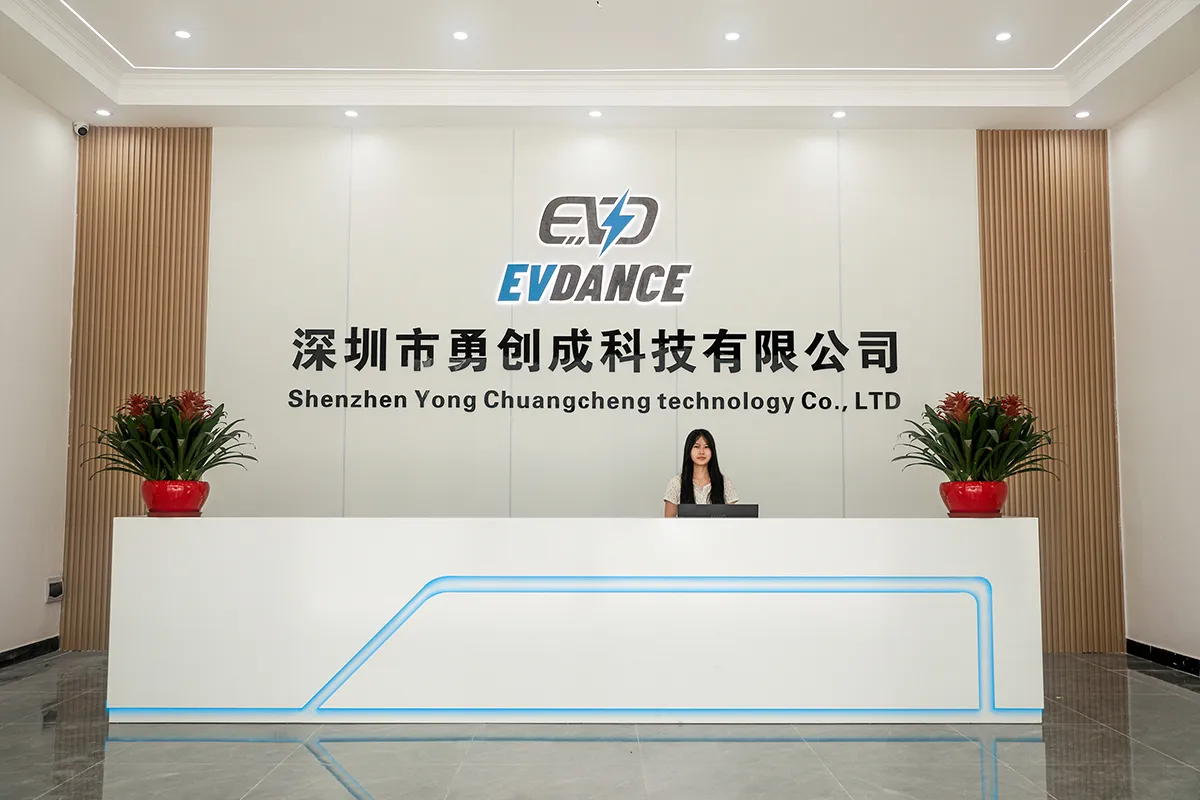
Our factory audit checklist turns these into a site-visit list. EVDANCE has run its own factory in Shenzhen since 2011 and offers private label from 100 units through our OEM program, with a 3-year standard warranty.
Frequently Asked Questions
Do I need my own certification to sell a charger made by an OEM?
It depends on who holds the certificate and how it is listed. See who should own the certificate in private-label projects before you sign.
What is a routine test?
A test the standard requires on every production unit, not only on the samples tested for certification. Typical examples are dielectric strength and earth continuity.
How long until a new design reaches mass production?
Design, samples and certification usually take much longer than production itself. Plan the full OEM timeline before committing to launch dates.
Related Reading
- How Much Does It Cost to Start an EV Charger Brand?
- Who Owns the Certificate in a Private-Label EV Charger?
- How an OEM EV Charger Project Works, Step by Step
- Who Makes EV Chargers?

