
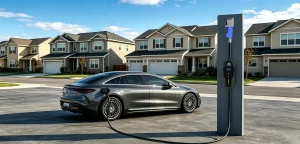
What Is an EV Rebate? How It Differs From a Tax Credit
An EV rebate is money back from a utility, state programme or manufacturer — at purchase or by claim. It is not a tax credit and does not depend on your tax position.
An EV rebate is money back from a utility, state programme or manufacturer — at purchase or by claim. It is not a tax credit and does not depend on your tax position.
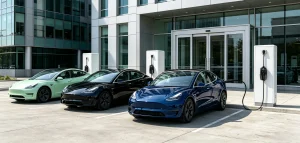
No standard ratio exists. Count the EVs, how long they stay and how much energy they need: long dwell times let one Level 2 port serve two cars a day.
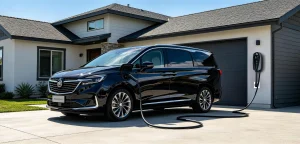
Some destinations have no charger at all. Plan around the last charger on the map: arrive with your return leg in hand, and treat any socket at the stay as a bonus.
Often yes — but your landlord is the council or a housing association, so permission comes from their alterations process, in writing, before any work is booked.

The electrolyte is the liquid inside every cell that lithium ions swim through as the battery charges and discharges. It is sealed in for life — here is what it does and why it matters.
Dendrites are needle-like lithium growths that form inside a cell during charging. They are the central obstacle for next-generation batteries — a research topic, not a driver one.

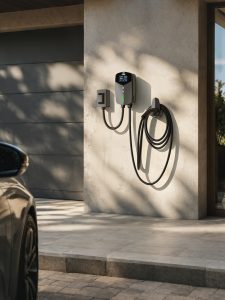
Charge with the cable laid out, not bundled: a tight coil traps heat in its centre turns over a long session. Wide loose loops are fine — here is the difference.
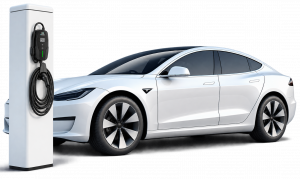
A service upgrade enlarges the supply behind the whole panel. Most homes never need one for a charger — the load calculation decides, and three options often avoid it.
A contactor is the heavy-duty switch inside the pack that connects the high-voltage battery to the car. The clunk you hear at start-up is it closing — here is what it does.
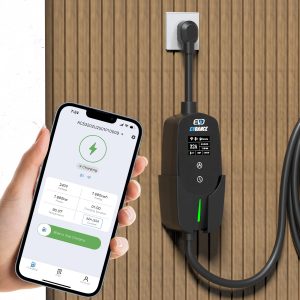
Every session delivers more kWh than the battery stores. Where the gap goes, why Level 1 loses a bigger share than Level 2, and how to measure your own loss.