
Protecting a public charging station combines good siting, physical barriers, sensible cable management, remote monitoring and quick repairs. The EV-AC03201T has an IP54-rated enclosure for outdoor use, but bollards, lighting, holstered connectors and an OCPP connection that reports faults do most of the work against impact, vandalism and misuse. Weather protection is mainly about keeping water and grit away from connectors and screens.
Key Takeaways
- Siting, barriers and lighting do most of the protection work.
- IP54 suits outdoor use but connectors should be holstered.
- Remote monitoring and fast repairs limit further damage.
- Keep maintenance and incident records.
The Main Risks and Responses
| Risk | What happens | Response |
|---|---|---|
| Vehicle impact | Pedestal knocked or damaged | Bollards or wheel stops, set-back from the bay edge |
| Cable damage | Cables run over or cut | Holsters, cable management, cable length suited to the bay |
| Vandalism | Screens scratched, connectors damaged | Lighting, visibility, CCTV where lawful |
| Rain and dust | Water or grit in connectors | Holster connectors, regular cleaning |
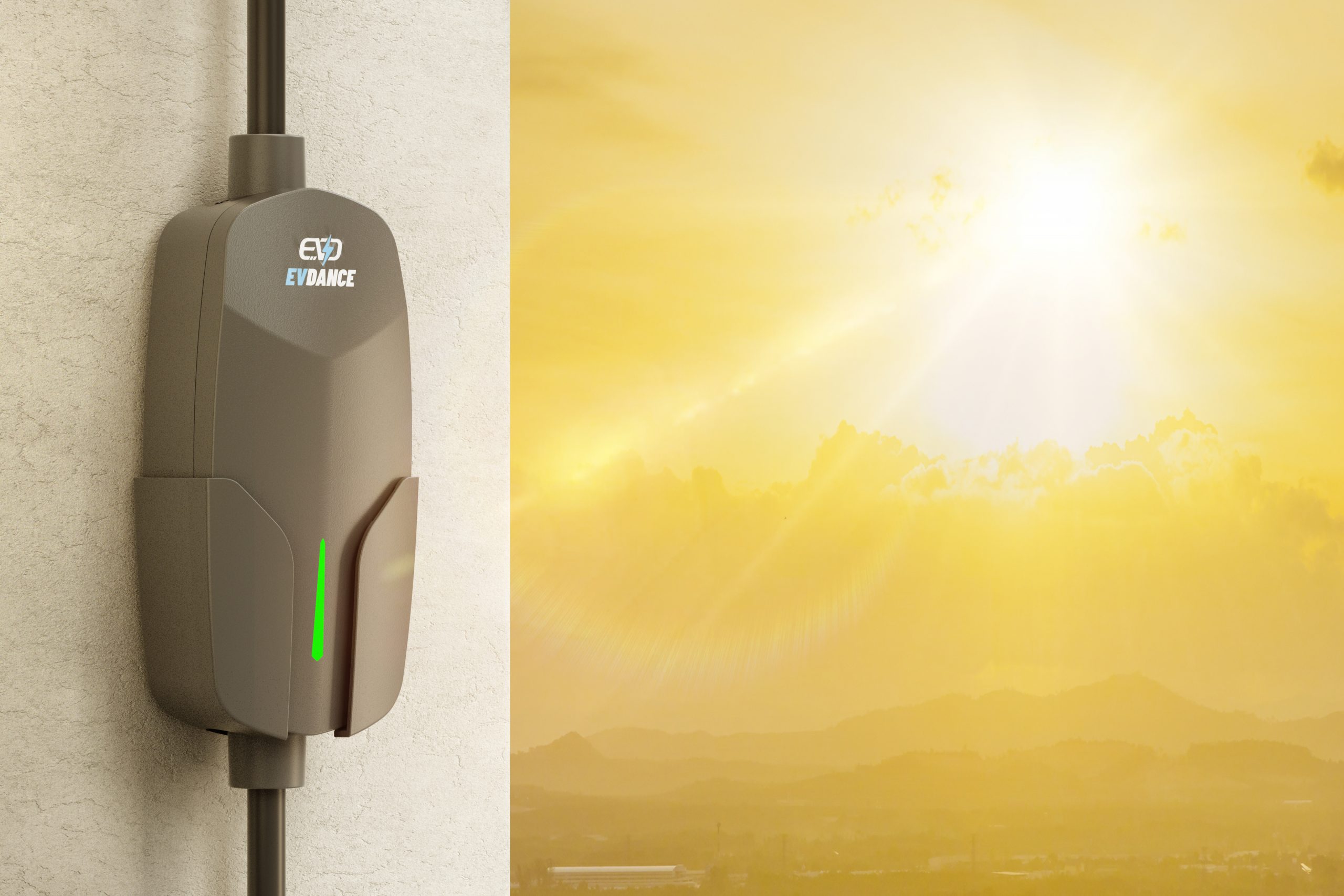
| Sun and heat | Faded screens, warm enclosures | Shade structures where practical |
| Theft | Cables or parts stolen | Visible location, tethered cables, monitoring |
Understanding IP54
IP54 means the enclosure is protected against dust that could interfere with operation and against splashing water from any direction. It suits outdoor installation, but it does not mean connectors can sit in puddles or be hosed down. Keep connectors in their holsters when not in use and avoid installing where water collects. Read IP ratings compared.
Site Design That Discourages Damage
- Place stations where they are visible from buildings, roads or staffed areas.
- Light the bays well at night; see protecting an outdoor charger.
- Install bollards on approach sides and keep pedestals back from kerbs.
- Choose cable lengths that reach the port without trailing across walkways.
- Avoid low spots where water pools.

Monitoring and Maintenance
OCPP lets an operator see faults, offline status and failed sessions remotely. Set alerts so damage is spotted quickly, then repair fast; visibly broken equipment tends to attract more damage. Schedule regular inspections of connectors, cables, screens and enclosure seals. Our commercial maintenance checklist lists what to inspect and how often.
Insurance and Records
Keep installation records, maintenance logs and incident reports. They help with insurance claims and show that the site was properly maintained. Agree with your insurer what protection measures they expect. Some insurers ask for bollards, lighting or CCTV at public sites, and knowing this before installation is cheaper than retrofitting.
The EV-AC03201T is a floor-standing dual-connector AC station with two Type 2 connectors, up to 43 kW shared (22 kW per connector), a 7-inch touchscreen, RFID, OCPP 1.6J and an IP54 enclosure. Operators can find layout support through EVDANCE commercial solutions.
Frequently Asked Questions
Is IP54 enough for an outdoor charging station?
IP54 protects against dust and splashing water, which suits outdoor use. Keep connectors holstered and avoid areas where water pools.
How can I reduce vandalism at public chargers?
Good visibility, lighting, quick repairs and monitoring all help. CCTV can be added where lawful.
Should cables be tethered on public stations?
Tethered cables are convenient for drivers. Use holsters and appropriate lengths to reduce damage.
Related Reading
- IP Ratings for EV Chargers: IP54, IP65 and IP66 Compared
- How to Protect an Outdoor EV Charger
- Commercial EV Charger Maintenance Checklist
- Can EV Charging Cables Be Stolen? How to Lock and Protect Yours

