
Store a NACS-to-J1772 adapter like anything with bare electrical contacts: in a clean, dry spot inside the car, with both contact faces protected from grit and moisture, and out from under heavy items. The JT02’s listing names no storage case or contact covers, so keeping it ready is a habit, not an accessory — plus a ten-second look at the faces before each use.
Key Takeaways
- An adapter is almost all connector: storage means protecting two bare contact faces from grit, moisture and crushing.
- The JT02 listing names no case or covers — a case is your own accessory; a fixed, clean, dry cabin home is the routine.
- Put it away dry, wipe faces with a dry cloth only, and keep it out of the boot’s crush zone.
- The ten-second look before each use — clean, dry, undamaged — is what turns storage into readiness.
Why the Faces Decide Everything
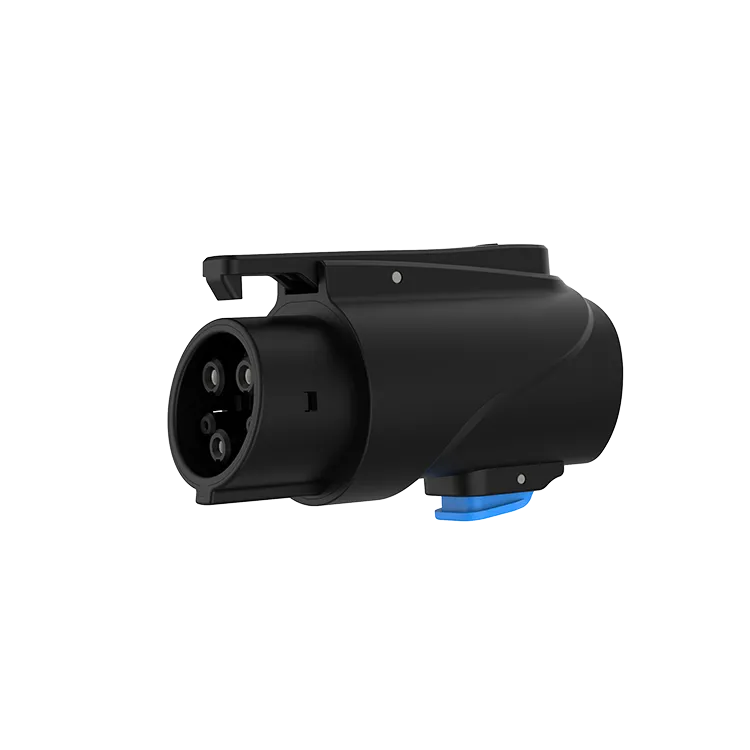
A portable charger has a cable that takes the knocks; an adapter is almost all connector. The JT02 has two faces — NACS on one side, J1772 on the other — and its contacts carry the whole session current, up to the 80 A ceiling. The listing states silver-plated copper contacts, and plating only does its job on a clean surface. Grit ground into a face, moisture in an opening, or a chip from loose tools all work against that contact. Our published guide to whether EV charging adapters are safe covers the contact side of that story; storage is where you protect it.
Where It Lives in the Car
Give it one fixed home inside the cabin — an adapter you cannot find at a charger does not charge:
| Storage spot | Why it works | Watch out for |
|---|---|---|
| Glovebox or centre console | Clean, dry, reachable from the driver’s seat | Loose metal (keys, coins, tools) rattling against the faces |
| A small case or pouch in the boot | Faces covered; adapter easy to find | Boot-floor grit and damp; the case must stay clean inside |
| Door pocket | Fastest to reach at a charger | Often the wettest, grittiest, most crush-prone spot in the cabin |
The case is your own accessory — any padded pouch or small hard case does the job. What matters is covered faces, and the adapter not sitting at the bottom of a pile.
Keeping the Faces Clean Between Uses
- Put it away dry. After a wet session, let the faces dry before the adapter goes into a closed case — sealing moisture in undoes the point of the case.
- Keep the faces covered. In its case, or parked face-in in its spot — not loose among tools, cables and shopping.
- Wipe, don’t wash. Visible dust comes off with a dry cloth. No water, no sprays, no solvents on the contacts.
- Keep it out of the crush zone. Not under luggage, a jack, or anything heavy in the boot.
- Mind the sun-baked cabin. No storage-temperature figure is published for this adapter — the manual is the authority — but a shaded spot beats a dashboard in direct sun.

The Ten-Second Look Before You Plug In
Storage ends at the charger. Before the adapter goes on, take the same quick look every time:
- Both faces clean and dry, with no grit or debris inside either opening.
- No cracks, chips or bent contact parts on either side.
- No damage to the housing — a dropped adapter that looks wrong is a retired adapter.
If anything fails, do not use it. A damaged adapter is replaced, not nursed along — and never clean the faces with tools or abrasives.
The Adapter Being Stored
The EVDANCE JT02 is a NACS-to-J1772 AC adapter rated up to 80 A and AC 250 V, with silver-plated copper contacts and an IP65 rating. The IP65 line describes the unit’s sealing in use, in the rain. Storage is a different problem — the weeks between sessions in a cabin collecting dust, grit and damp — solved by the spot and habits above, not by the rating. For the chargers this adapter opens to a J1772 car, see can a Tesla use J1772 chargers
Frequently Asked Questions
Does the JT02 come with a storage case or contact covers?
No case or covers are named in its listing. A small case or pouch of your own does the job — buy it as an accessory; do not assume one is in the box.
Can I leave the adapter plugged into the charger between sessions?
It is a loose item: left in a connector it stays exposed — to weather, dust, and at public sites to being taken. Unplug it and put it in its spot.
Can I store it in a hot car?
No storage-temperature range is published for this adapter, so the manual is the authority. In the cabin, pick a shaded spot rather than the dashboard, and keep the faces clean and dry.
Related Reading
- Are EV Charging Adapters Safe?
- Can a Tesla Use J1772 Chargers?
- What Is J1772? The North American EV Plug Explained
- Is the Tesla Charger NACS? NACS, J3400 and Adapters Explained

