
Yes. A car with a J1772 inlet can charge at home from a Tesla Wall Connector through a NACS-to-J1772 adapter such as the EVDANCE JT02. The Wall Connector delivers up to 48 A (11.5 kW); your session runs at the lower of that output and your car’s onboard-charger acceptance. The adapter changes the plug shape only — it adds no power and takes none away.
Key Takeaways
- A J1772 car charges at home from a Tesla Wall Connector through the JT02 — an AC-only path, never for Superchargers.
- The session runs at the lower of the connector’s output and the car’s acceptance; the adapter’s 80 A ceiling never binds at home.
- In a two-car household the Tesla plugs in natively and the J1772 car uses the adapter on its turn.
- Store the adapter dry between sessions; IP65 covers weather in use, not storage.
The Chain in Your Garage
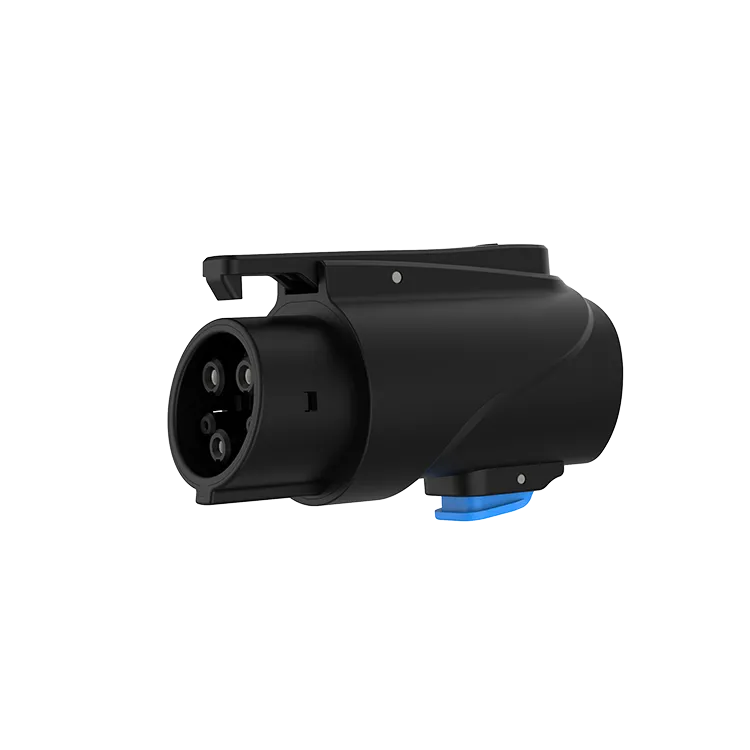
The Wall Connector’s plug is NACS. A J1772 car’s inlet is the older North American standard, explained in our guide to what J1772 is. The adapter sits between the two. The power path stays AC the whole way — wall unit, adapter, then the car’s onboard charger, which converts AC to DC for the battery. The JT02 is an AC adapter — home and destination charging only, never a Supercharger.
Everything about the Wall Connector itself — installation, output setting, access controls — belongs to that unit and its owner; Tesla’s support pages describe its settings, including app control over Wi-Fi. This article covers only the adapter’s place in the setup.
What Your Session Actually Runs At
Two numbers decide the session: what the Wall Connector is set to deliver, and what your car accepts. Worked examples at 240 V:
| Wall Connector delivers | Car accepts | Your session |
|---|---|---|
| 48 A | 48 A | 48 A — about 11.5 kW |
| 48 A | 32 A | 32 A — about 7.7 kW |
| 40 A | 40 A | 40 A — about 9.6 kW |
| 48 A | About 16 A (many plug-in hybrids) | 16 A — about 3.8 kW |
Every row sits in the Level 2 band the U.S. DOT charger speed figures describe — roughly 10 to 20 miles of range per hour. Note what is missing: the adapter. The JT02’s 80 A ceiling sits above every session a home Wall Connector can offer, so it never sets the speed here. Which Tesla chargers work with which cars is covered in our guide to using a Tesla charger for other cars.
Two Cars, One Wall Connector
The common case is a mixed household: the Tesla charges directly on its native plug, and the J1772 car takes the adapter when its turn comes. One connector serves both cars; what the household manages is the rota, usually through each car’s own charge timer.
- Keep the adapter with the J1772 car — in its boot or cabin box — or on a hook beside the connector, so it is there when that car plugs in.
- Connect it per session rather than leaving it hanging on the connector outdoors. Its IP65 rating covers weather during use; dry indoor storage keeps the contact faces clean between sessions.
- Remove it for the Tesla — the native car plugs straight in, exactly as before.
The Adapter for This Job
The EVDANCE JT02 NACS-to-J1772 adapter is listed for AC charging up to 80 A at AC 250 V, with silver-plated copper contacts and an IP65 rating. That is the specification this setup needs: a ceiling above the Wall Connector’s 48 A maximum, and contacts built for hours-long home sessions. Households adding a second native-NACS car later can compare a dedicated NACS wallbox such as the EV-ACT5006T; the wider range is on our residential charging page.

Frequently Asked Questions
Do I need an app or permission to use my own Wall Connector with an adapter?
At home the unit is yours. Any access limits are the ones the owner set in the unit’s own settings — Tesla’s support documentation describes those controls. At public and destination chargers, the host’s terms decide instead.
Can I leave the JT02 plugged into the Wall Connector all the time?
It is made to be connected for a session and removed after. Storing it dry keeps the contact faces clean and the seals sound. IP65 is a weather rating for the adapter in use, not a promise about permanent outdoor storage.
Will the adapter make my J1772 car charge at the full 48 A?
Only if the car accepts 48 A. Most sessions land at the car’s acceptance — 32 A and 40 A cars are common — and the adapter passes that rate through unchanged. Our explainer on how many kW a Wall Connector delivers sets out the unit’s side.
Related Reading
- Can I Use a Tesla Charger for Other Cars?
- Is the Tesla Wall Connector Level 2? How Many kW Does It Deliver?
- What Is J1772? The North American EV Plug Explained
- Is the Tesla Charger NACS? NACS, J3400 and Adapters Explained

