
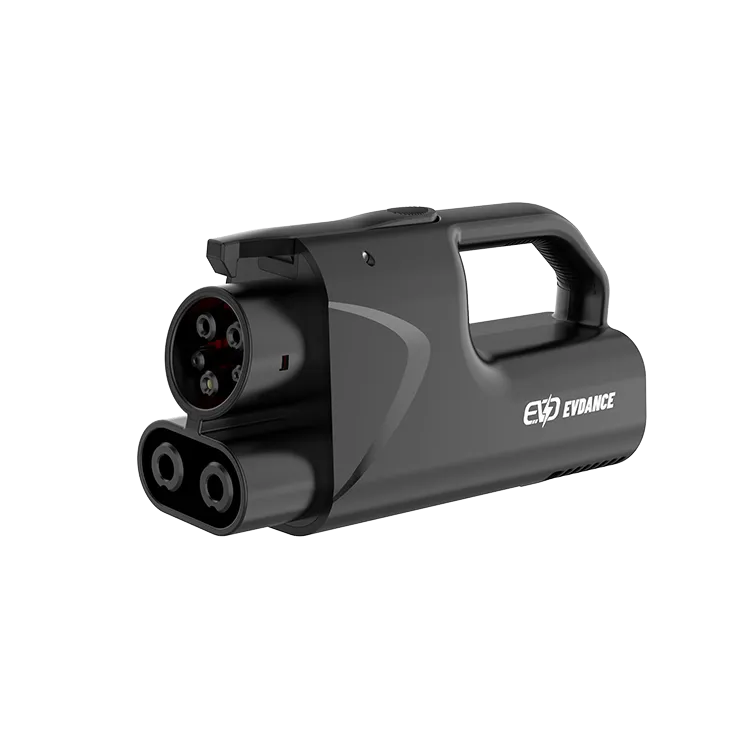
A fleet uses the JT08 and JT09 at Superchargers through a system, not just an adapter: an approved-vehicle list built from each car maker’s current documents, one adapter issued per vehicle, and a driver card for each trip. The adapters — NACS-to-CCS1 DC adapters rated up to 500 A and sealed to IP66 — only work where two conditions hold for that exact car: its maker approves third-party DC adapter use, and the network has opened the station to it. The fleet’s job is to check both before a driver ever plugs in.
Key Takeaways
- Fleet Supercharger access is a system: an approved-vehicle list, one adapter per vehicle, and a driver card.
- Approval is per exact car — the maker’s current document plus the network’s current terms, both checked in advance.
- A pooled adapter is the failure mode; it migrates to a vehicle nobody checked.
- Session prices are the network’s terms, never something an adapter document can tell you.
Build the Approved-Vehicle List First
Approval is per vehicle, not per brand and never per fleet. Work the list before buying adapters:
| Step | What the fleet checks |
|---|---|
| 1. List the candidates | Only vehicles with a CCS1 inlet can use these adapters at all. NACS-inlet vehicles plug into a NACS station directly and need nothing. |
| 2. Check the maker’s document | For each model, read the vehicle maker’s current published position on third-party DC adapters. Approval for one model says nothing about the next. |
| 3. Check the network’s terms | Confirm the Supercharger network’s current terms open its stations to that vehicle. Sites and eligible vehicles change; the network’s list is the authority. |
| 4. Issue against the list | Only vehicles passing both checks go on the approved list and receive an adapter. Re-check the list when makers or the network update their documents. |
A fleet-wide claim that “our cars are approved” is exactly the assumption that strands a driver at a stall.
Issue One Adapter Per Vehicle
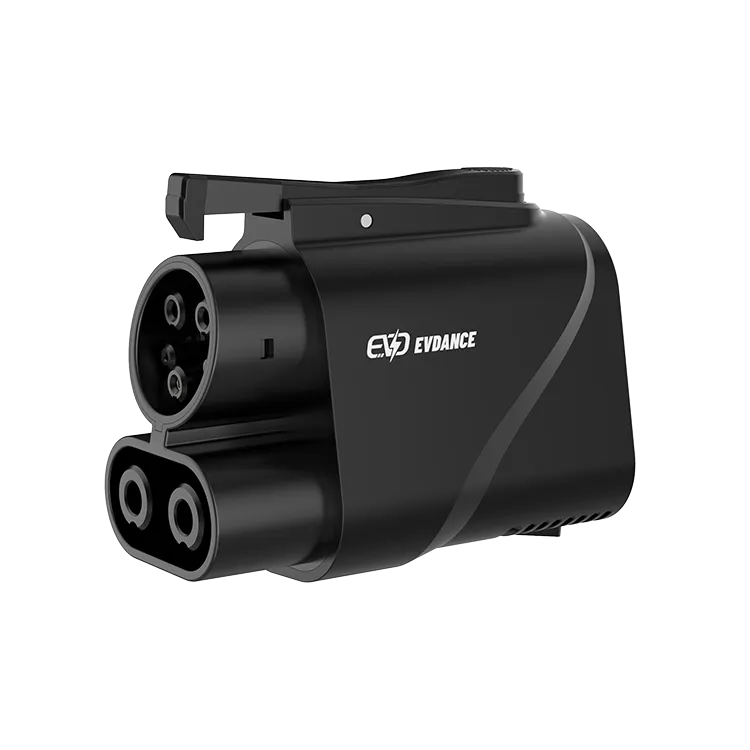
A pooled adapter — one unit in a drawer, grabbed by whoever is leaving — is the failure mode. It migrates: sooner or later it travels in a vehicle that is not on the approved list, and the driver finds out at the station. Issue one adapter per approved vehicle instead: labelled for it, living in it. The JT09’s handle is worth choosing for issued units: drivers who did not pick the adapter themselves seat a handled unit squarely on the first try, in gloves and in bad weather, more reliably than a handleless one.
The Driver Card
Each approved vehicle carries a short card with the adapter:
- Where you may charge: Supercharger sites open to this vehicle, per the network’s current list — checked when the trip is planned, not assumed from the last trip.
- How a session runs: seat the adapter fully at both joints before starting; the station’s output and the car’s acceptance set the speed — the adapter adds no power.
- If a session will not start: re-seat the adapter once, try another stall, and if it still fails, call the fleet desk and note the site. Do not force a connector, and do not borrow the adapter into another vehicle.
- After the session: the adapter comes back into its vehicle. A session that ends with the adapter left at the stall ends the system.
The Adapters Themselves
The EVDANCE JT08 and EVDANCE JT09 are NACS-to-CCS1 DC adapters in the 250 kW class — up to 500 A, IP66 sealing, the JT08 also stated at up to 1000 V, the JT09 fitted with a handle. The governing condition, restated: either adapter may be used only where the vehicle’s maker approves third-party DC adapter use for that car and the station or network is open to it. Session costs are the network’s terms and the fleet’s own account arrangements — price them from the network’s current published terms, not from any adapter document. Depot charging remains a separate question, sized in our guide to fleet depot charging with AC chargers.
Frequently Asked Questions
Can one adapter serve the whole fleet?
It should not. Approval is checked per vehicle, so the adapter is issued per vehicle. A shared pool lets the adapter drift into an unapproved car — the exact case the approved list exists to prevent.
What does a Supercharger session cost the fleet?
Whatever the network’s current terms charge for that site and session. Build them into trip costing from the network’s own current pricing — adapter documents say nothing about session prices; they do not set them.
A maker updates its adapter policy. What happens to our list?
The maker’s current document governs. Re-check the approved list against it, and remove any vehicle whose approval no longer holds — its adapter comes out of the car until the position changes.
Related Reading
- Fleet Depot Charging: How to Size AC Chargers for Vans and Light Commercial Vehicles
- Is the Tesla Charger NACS? NACS, J3400 and Adapters Explained
- Does J1772 Work With CCS? CCS Connectors Explained

