
Shop for a NACS-to-CCS1 DC adapter and the box is the first specification sheet you are given. Good retail packaging for an adapter like the JT08 or JT09 prints four things you can verify: the ratings, the direction it works in, the two conditions that govern its use, and the name of a maker who stands behind it. If any of the four is missing or exaggerated, the packaging has told you something important about the product inside.
Key Takeaways
- The box is a first spec sheet: ratings, direction, conditions and a reachable maker — all four should be printed.
- Printed ratings should match the listing exactly; a mismatch is a stop sign, not a detail.
- “Works with all CCS cars” is the failure mode: approval belongs to your car maker, openness to the network.
- No packaging can check your car’s approval for you — that document is the maker’s.
The Ratings, in Print, Matching the Listing
Start with the numbers, and compare them against the product listing before anything else. The printed figures should match the listing word for word. A mismatch means one of the two is careless — and carelessness around a 500 A part is not a small detail.
| Printed item | What to check |
|---|---|
| Current ceiling | “Up to 500 A” — the most the adapter is rated to carry. Your sessions will normally run below it; the ceiling is about surviving the session, not setting it. |
| Power class | The 250 kW family. The session itself is set by the station and your car; the box should present the class, not promise the number. |
| Voltage | The JT08 is listed up to 1000 V. Check the JT09’s own packaging and listing for its figure rather than assuming the pair shares one. |
| Sealing | IP66: dust-tight and protected against powerful water jets. It is an ingress rating, not a safety certification. |
| Certification marks | If marks are printed, they should be traceable to a recognised testing laboratory. A badge that names no laboratory is decoration, not evidence. |
The Direction, Stated Without Ambiguity
“NACS-to-CCS1” names a journey: the station’s NACS connector on one side, your car’s CCS1 inlet on the other. Packaging that just says “Tesla adapter” hides that direction — and the wrong direction is a real shopping error. An AC adapter for J1772 cars can look similar in a photograph and does a completely different job at completely different power. Honest packaging shows both ends, names both standards, and never blurs DC fast charging with AC.
The Two Conditions, Acknowledged in Print
No adapter works with every CCS1 car, because compatibility is not the adapter’s to grant. Your car maker must approve third-party DC adapter use for your exact car, in its current guidance — and the station must be open to your car under the network’s current terms. Packaging that prints “works with all CCS cars” has skipped the honest part; treat the promise itself as the warning. Good packaging prints both conditions and routes you to check them, the way our guide to whether EV charging adapters are safe sets out in general.
A Maker You Can Still Reach Afterwards
An adapter is a long-lived part that carries serious current, so the box should name a real manufacturer, a warranty route and a support contact. EVDANCE, for its part, is a Shenzhen manufacturer founded in 2011 and offers a 3-year standard warranty — that is the level of answerability to look for on any box. An anonymous package with no maker named leaves you holding the whole risk the first time a contact face wears.
Checking the JT08 and JT09 Before You Order
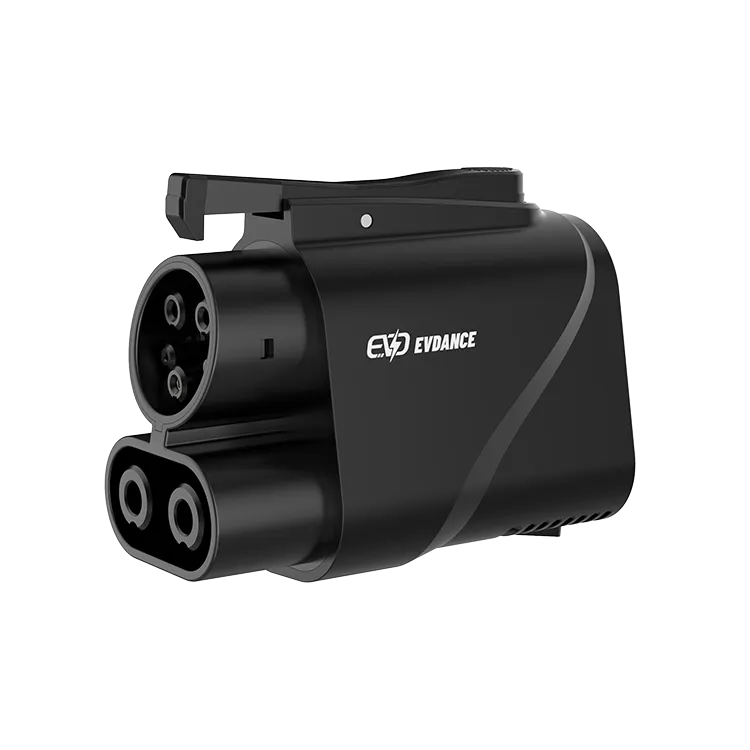
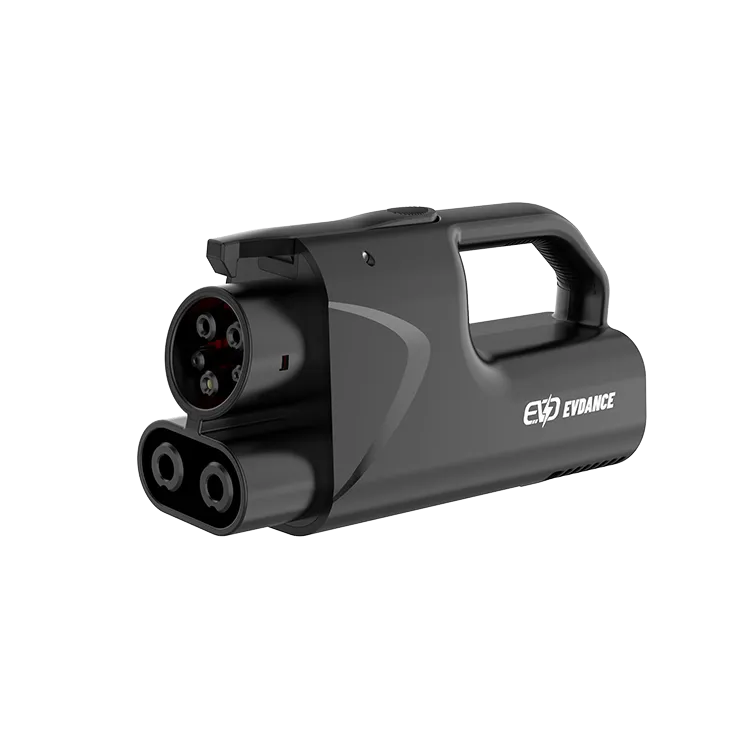
Run the same checks against the listing before ordering. The EVDANCE JT08 is the handleless adapter, listed up to 500 A / 1000 V with IP66 sealing; the EVDANCE JT09 adds a handle, listed up to 500 A with IP66 sealing. Verify the direction and the ratings on the listing itself, and confirm your car maker’s approval for your car before the adapter ever carries current — no box, ours included, can do that check for you.
Frequently Asked Questions
The box says “works with all CCS cars.” Should I believe it?
No. Compatibility is decided per car, by the maker’s approval, and per station, by the network’s openness. A universal promise on packaging is exactly the red flag this article is about.
Can packaging tell me whether my car is approved?
No. Only your car maker’s current document settles approval for your exact model. Honest packaging can remind you to check it; it cannot check it for you.
The box and the listing show different ratings. Which do I trust?
Neither, yet. Treat the mismatch as a stop sign: ask the maker, in writing, which figure is right before the adapter carries current.
Related Reading
- Private-Label EV Chargers: Packaging, Labeling and Manuals
- Are EV Charging Adapters Safe?
- Is the Tesla Charger NACS? NACS, J3400 and Adapters Explained
- Can I Use a Tesla Charger for Other Cars?

