
If you were planning to buy a wallbox home charger around the same incentives that made sense a year ago, several of them just changed shape. The federal tax credit that covered 30% of a home charger’s cost expired on schedule. A major New Jersey utility closed its off-peak charging credit to new applicants and is winding it down entirely. California now requires new multifamily buildings to wire in charging capacity before anyone even buys an EV. And the hardware itself is quietly getting more capable, with bidirectional wallboxes moving from pilot programs toward real deployments. None of this makes a wallbox a bad purchase — if anything, the push toward smarter, code-mandated charging suggests the opposite — but the math behind it looks different than it did even six months ago.
The Federal Credit Is Gone — State and Utility Programs Are Filling the Gap Unevenly
The Section 30C Alternative Fuel Vehicle Refueling Property Credit — worth 30% of combined equipment and installation costs, up to $1,000 for a residential install — expired on June 30, 2026, and does not apply to installations completed after that date, per the Internal Revenue Service. That removes the one incentive that applied nationwide regardless of location; what’s left is a patchwork of state and utility programs that vary block by block, and some of those are changing too.
New Jersey’s PSE&G is a useful case study in how a program can evolve rather than simply end. The utility stopped accepting new applicants for its off-peak charging credit on January 13, 2026, and the credit itself is scheduled to be discontinued around June 1, 2026, according to a summary from Malfettone Electric. In its place, PSE&G is shifting customers toward a Time-of-Use rate structure, where off-peak charging between 12 a.m. and 6 a.m. is “where the savings stack” instead of arriving as a flat monthly credit. PSE&G’s direct installation rebates are unaffected by this change — up to $1,500 toward a Level 2 charger and up to $5,000 for a panel or service upgrade remain available.
| Before 2026 | Now | |
|---|---|---|
| Federal tax credit (Sec. 30C) | 30% of cost, up to $1,000 | Expired June 30, 2026 |
| PSE&G off-peak charging | Monthly bill credit | Closed to new sign-ups; ends ~Jun 1, 2026; replaced by TOU rate |
| PSE&G install rebate | Up to $1,500 charger / $5,000 service upgrade | Unchanged |
New Buildings Are Now Required to Be Charger-Ready
Separately from utility incentives, California’s 2026 building code — effective January 1, 2026 — now requires at least one EV-ready parking space (a 240V/20A outlet or charger) in new multifamily housing, and 65% EV-ready spaces in new hotels and motels, with cities allowed to raise that to 100%. We covered the construction-side details, including the cost math for wiring a building during construction versus retrofitting later, in our EV-ready construction guide. The short version for anyone buying a wallbox charger today: new-build housing is increasingly arriving pre-wired for one, which shifts more of the market toward the charger itself rather than the electrical work behind it.
The Hardware Is Getting Smarter: Bidirectional Wallboxes
On the hardware side, wallbox chargers capable of sending power back out of the vehicle — not just into it — are moving from pilot to production. Charger maker Wallbox and software partner Bidirectional Energy secured $2.2 million in Phase 1 funding through the California Energy Commission’s REDWDS grant program to deploy Wallbox’s Quasar 2, an 11.5kW bidirectional charger, to homes across California, according to reporting from EV Candi. The system supports both vehicle-to-home backup power and vehicle-to-grid revenue programs, with installation support from Wallbox’s Coil subsidiary; a successful rollout would trigger three additional years of Phase 2 funding. In the UK, meanwhile, home chargers have been required by law to ship with smart-charging functionality and default off-peak schedules since the country’s Smart Charge Points Regulations took effect, as Wallbox’s own explainer lays out — an early signal of where home charger requirements elsewhere may eventually head.
What This Means If You’re Choosing a Wallbox Home Charger Now
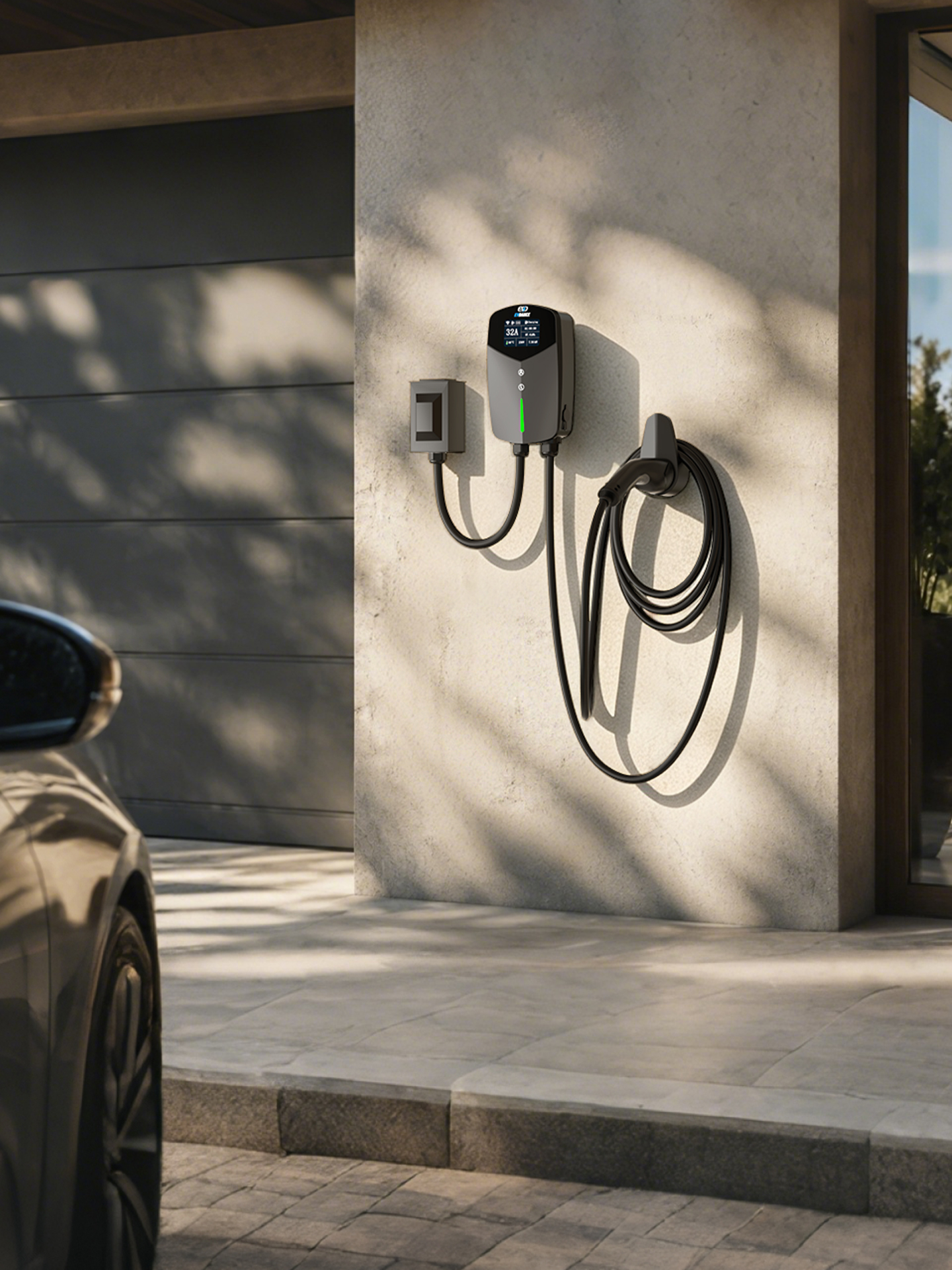
None of these changes point toward waiting. The federal credit is gone regardless of when you install, so delaying doesn’t bring it back; state and utility rebates are still worth checking block by block since PSE&G’s example shows programs are being restructured, not eliminated; and if you’re in new-construction housing, check whether the unit is already wired before paying an electrician to do work the code may have already required. The practical buying checklist stays the same as always: confirm your home’s panel has spare capacity before assuming you need an upgrade, match the charger’s amperage to what your panel can actually deliver, and if smart or bidirectional features matter to you, confirm compatibility with your specific EV rather than assuming universal support.
Key Takeaways
- The federal Section 30C credit (30% of cost, up to $1,000) expired June 30, 2026, for all residential installs.
- PSE&G in New Jersey closed its off-peak charging credit to new applicants in January 2026 and is replacing it with a Time-of-Use rate; its direct install rebates are unchanged.
- California’s 2026 building code now requires EV-ready wiring in new multifamily housing and most new hotels.
- Bidirectional wallbox chargers are moving into real deployments, led by programs like Wallbox and Bidirectional Energy’s California rollout.
- Check local utility programs individually — they’re being restructured, not simply removed.
Sources & Standards
- Internal Revenue Service — Alternative Fuel Vehicle Refueling Property Credit
- Malfettone Electric — PSE&G EV Charger Rebate in NJ: 2026 Guide
- Shaffer Consulting — CA 2026 EV Charging Mandate: Key Changes
- EV Candi — Wallbox and Bidirectional Energy to deploy V2X chargers across California
- Wallbox — UK Smart Charging Regulations Explained