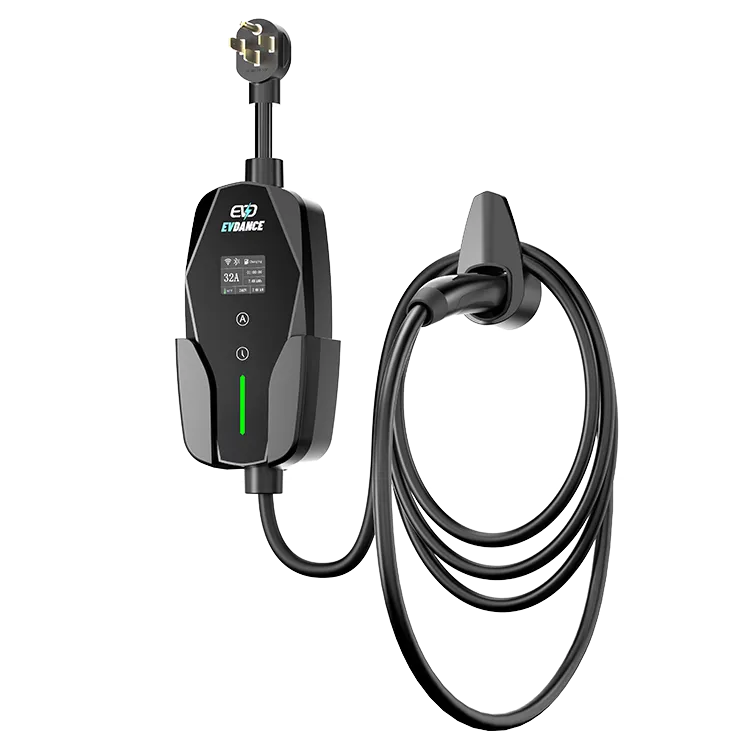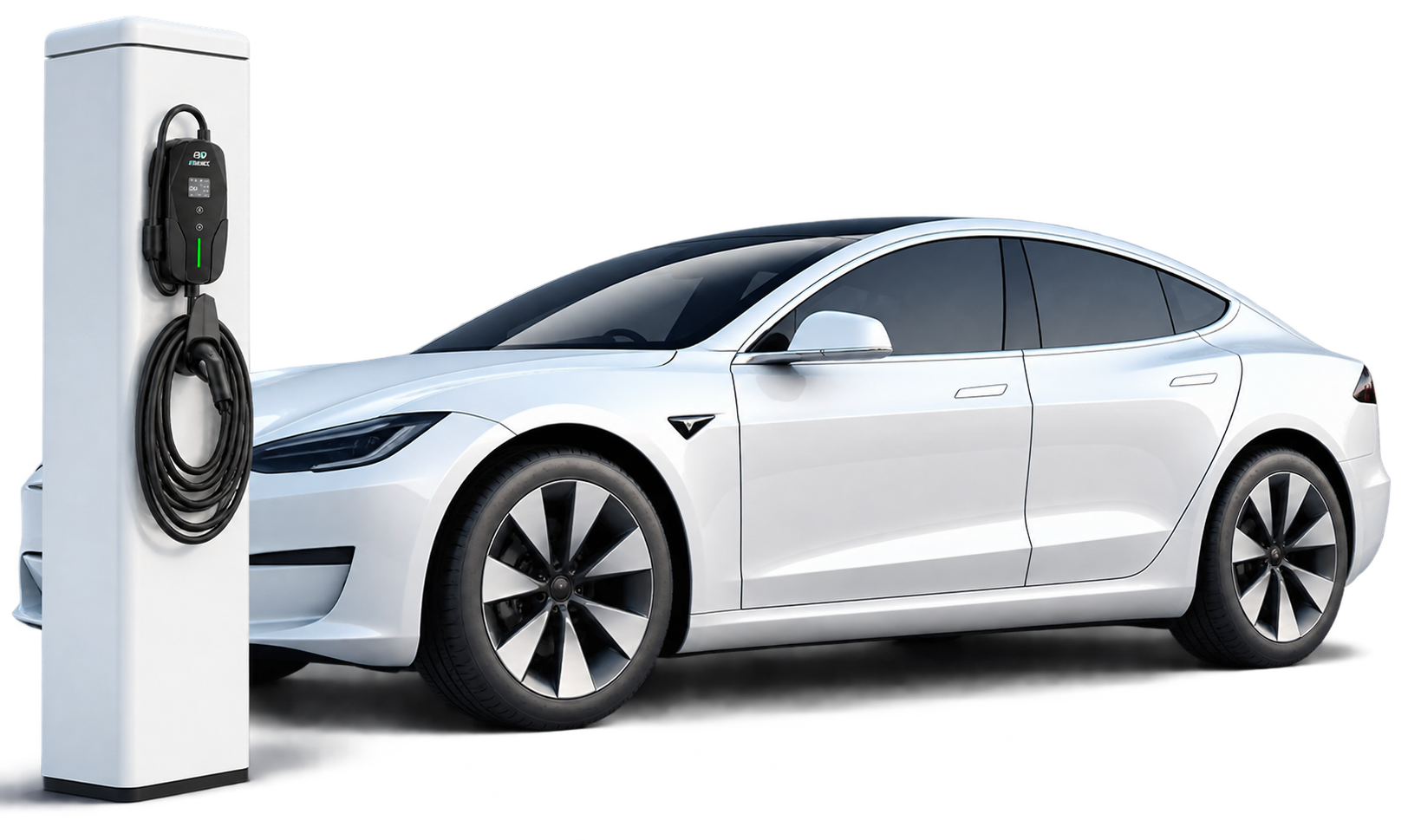
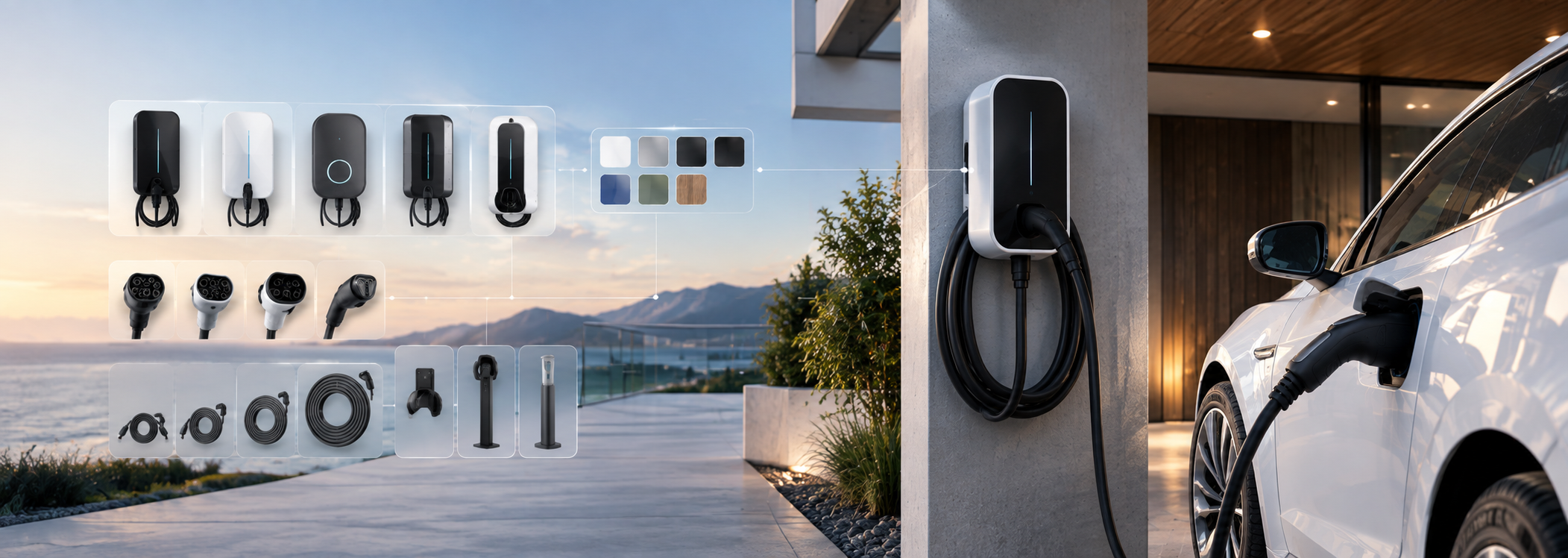
EV charging hardware looks like a single category from the outside, but distributors who do well treat it as several: portable chargers, wallboxes, adapters, commercial stations and accessories. Each has different buyers, margins and support needs. Building the right mix is what turns charger sales into a steady business rather than one-off orders.
Start With Four Core Categories
| Category | Typical buyer | Why stock it |
|---|---|---|
| Portable EV chargers | Drivers, e-commerce customers, car dealers | Fast-moving, easy to ship, strong online demand |
| Wallbox home chargers | Homeowners via installers | Higher ticket, repeat installer relationships |
| Adapters | Drivers of mixed-connector vehicles | High demand during connector transitions, such as NACS in North America |
| Commercial AC stations | Hotels, workplaces, fleets, property managers | Project sales with multiple units per site |
Most distributors begin with portable chargers and wallboxes, then add commercial stations once they have installer partners.
Tier the Range: Good, Better, Best
- Good: a reliable fixed-current portable charger at a sharp price point for online marketplaces.
- Better: an adjustable-current charger with a display, such as a 7kW portable EV charger, for drivers who want flexibility.
- Best: a smart wallbox home charger with app control, scheduling and load balancing for installers and premium customers.
Tiering lets you answer every price question without discounting your best product.
Where the Margin Comes From
Unit margin matters, but three other factors often matter more. Returns and warranty claims erase margin quickly, so product quality and clear installation guidance protect profit. Private-label branding builds a business you own, instead of competing on the same listing as everyone else. And installation, accessories and service contracts add revenue to every hardware sale.
Stock for Your Market, Not the Catalogue
A distributor in Germany needs Type 2 wallboxes and CEE three-phase portables; a distributor in Texas needs NEMA 14-50P chargers in both NACS and J1772 versions. Our market guides summarize the connectors, plugs and approvals for more than 40 countries.
Choose a Supplier That Supports You
- Market-specific certificates and test reports for every model you sell
- Private-label options with realistic minimum order quantities
- Spare parts and a clear warranty process
- Technical support from an engineer, not just a sales contact
The EVDANCE distributor program offers factory-direct pricing, regional support and certificate files, with OEM and ODM options for partners building their own brand.
Related Reading
- OEM and Private-Label EV Chargers: A Complete Guide for Brands
- OEM vs ODM EV Chargers: How Private-Label Charging Works
- How to Choose a Portable EV Charger Supplier: A B2B Checklist for Importers
- Wallbox Home Charger News 2026: Rebates Shift as Tax Credit Ends
Key Takeaways
- Stock portable chargers, wallboxes, adapters and commercial stations as distinct categories.
- Tier your range so every price point has an answer.
- Protect margin through quality, private-label branding, installation and accessories.
- Configure the range for your market’s connectors, plugs and approvals.
Sources & Standards
- EVDANCE — Distributor program
- EVDANCE — EV chargers by country