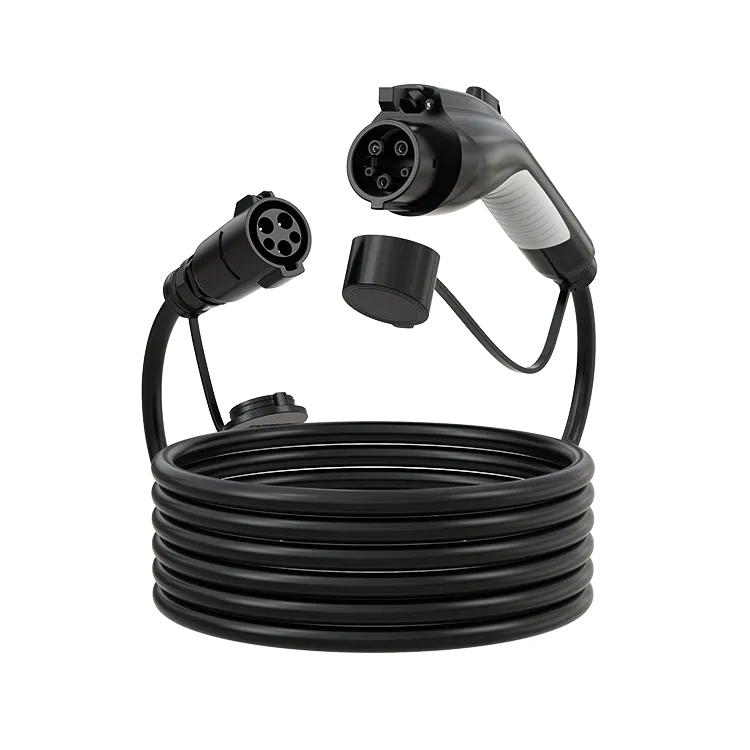
EV charging in North America is usually described in three levels. Level 1 and Level 2 are AC charging, where the car’s onboard charger converts power for the battery. DC fast charging sends DC power straight to the battery through a large off-board charger. Each has a clear role, and most drivers use a mix.
The Three Levels at a Glance
| Level 1 | Level 2 | DC fast charging | |
|---|---|---|---|
| Supply | 120V AC | 208–240V AC | Three-phase AC to off-board DC charger |
| Typical power | 1.2–1.9 kW | 3.3–19.2 kW (7–11.5 kW most common) | 50–400 kW |
| Range added per hour* | About 3–6 miles | About 20–40 miles at typical power | Often 100–200 miles in 20–30 min |
| Equipment | Portable cord set | Portable charger or wallbox | Commercial DC charger |
| Typical use | PHEVs, short commutes | Homes, workplaces, destinations | Highway trips, fleets, taxis |
*Estimates; actual rates depend on the vehicle.
Level 1: Slow but Simple
Level 1 uses a standard household outlet. It needs no installation, but it is slow, so it suits plug-in hybrids and drivers with short daily distances.
Level 2: The Everyday Workhorse
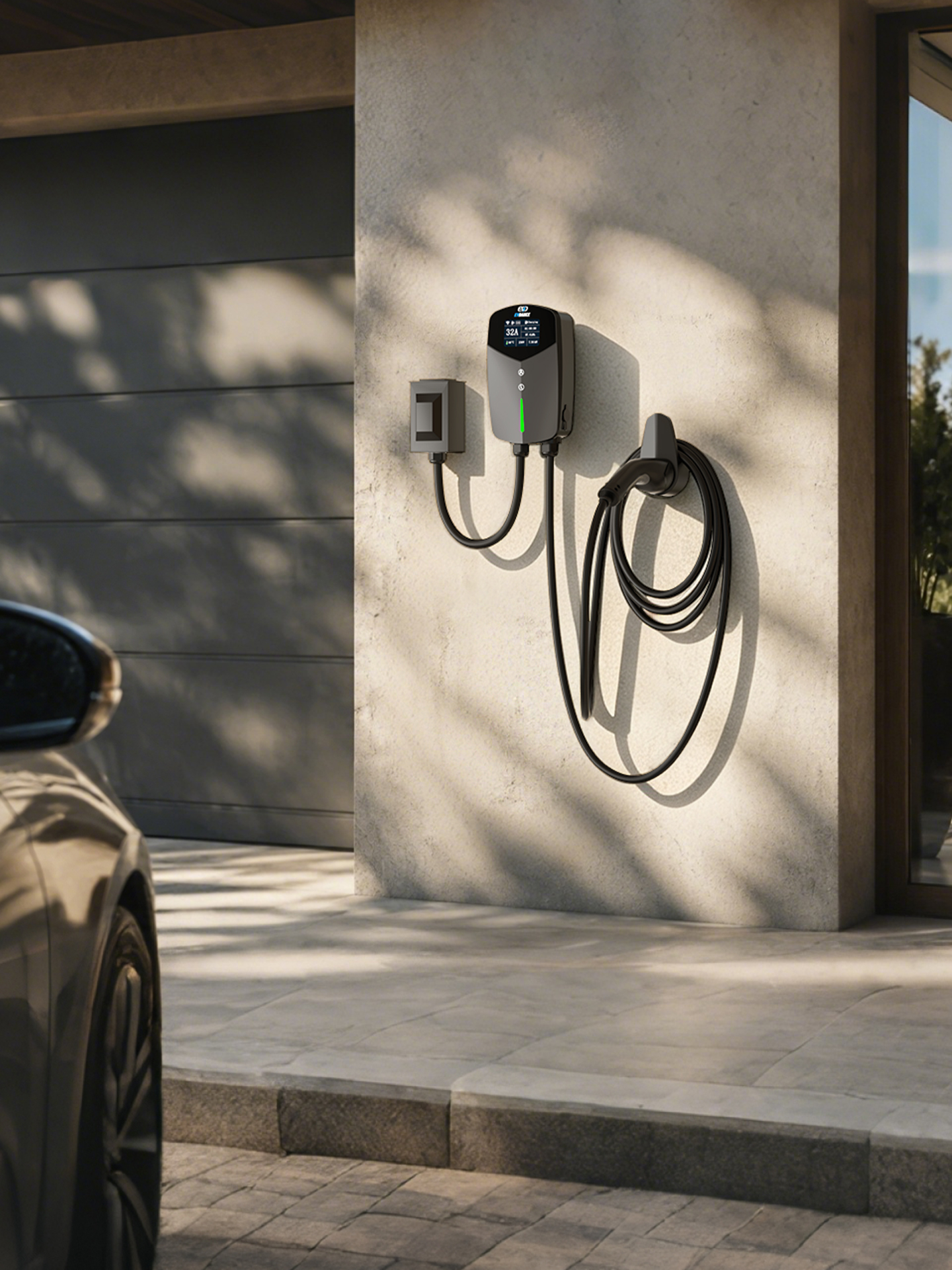
Level 2 is the sweet spot for most homes and workplaces. A 240V charger at 32A to 48A can fill most batteries overnight. It can be a hardwired wallbox home charger or a portable charger on a NEMA 14-50 outlet.
DC Fast Charging: For Speed
DC fast chargers deliver far higher power and are built for highway corridors and fleets. They require high-capacity three-phase connections and cost far more to buy and install. Frequent fast charging is convenient, but most drivers still do the bulk of their charging on Level 2 at home or work.
Choosing the Right Mix
For a home, Level 2 is almost always the best investment. For workplaces and hotels, Level 2 fits long dwell times. For highway sites and busy fleets, DC fast charging makes sense. EVDANCE supplies AC Level 2 chargers and the EV-RHDC30K-L DC charger for commercial projects.
Related Reading
- NEMA 14-50 vs 6-50 vs 5-15: Which Outlet for Your EV Charger?
- Apartment and Condo EV Charging: Solutions for Shared Parking
- EV Charging News: New York Opens $35 Million Charge Ready NY Program for Public Entities
Key Takeaways
- Level 1 (120V) is slow but needs no installation.
- Level 2 (240V) is the best choice for homes, workplaces and destinations.
- DC fast charging suits highways and fleets but costs far more.
- Most drivers do most charging on Level 2.
Sources & Standards
- U.S. DOE AFDC — Electric Vehicle Charging Stations
- SAE J1772 — Electric vehicle conductive charge coupler
- NFPA 70 National Electrical Code — Article 625