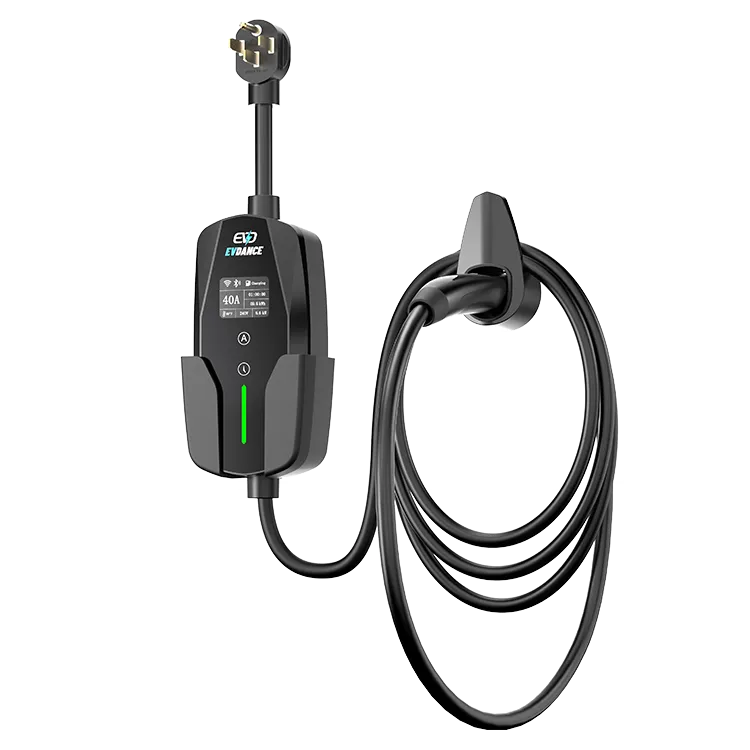
Portable EV chargers are a popular product on online marketplaces and brand stores. They are compact, easy to ship and useful to almost every EV driver. But they are also high-power electrical products, so platforms, regulators and customers expect sellers to get compliance right. This checklist covers the main points before launch.
1. Certification Documents
Collect the certificates and test reports for the exact model and variant you will sell, in each target market. Marketplaces may ask for these documents before listing electrical products. Do not list a certification the product does not hold, and do not assume that one variant’s certificate covers another with a different plug or cable.
2. Product Labeling
- Rating label with model number, voltage, current, power and IP rating.
- Required conformity marks for the market, only where the product holds them.
- Manufacturer or importer name and address as local rules require.
- Recycling marks such as the WEEE symbol where applicable.
- Serial number or batch code for traceability.
3. Listing Content That Builds Trust
| Element | Good practice |
|---|---|
| Title | Power, plug, connector and cable length, e.g. “40A NACS portable charger, NEMA 14-50P, 25 ft” |
| Compatibility | Which cars and outlets it works with |
| Safety notes | Dedicated circuit, no extension cords, correct current setting |
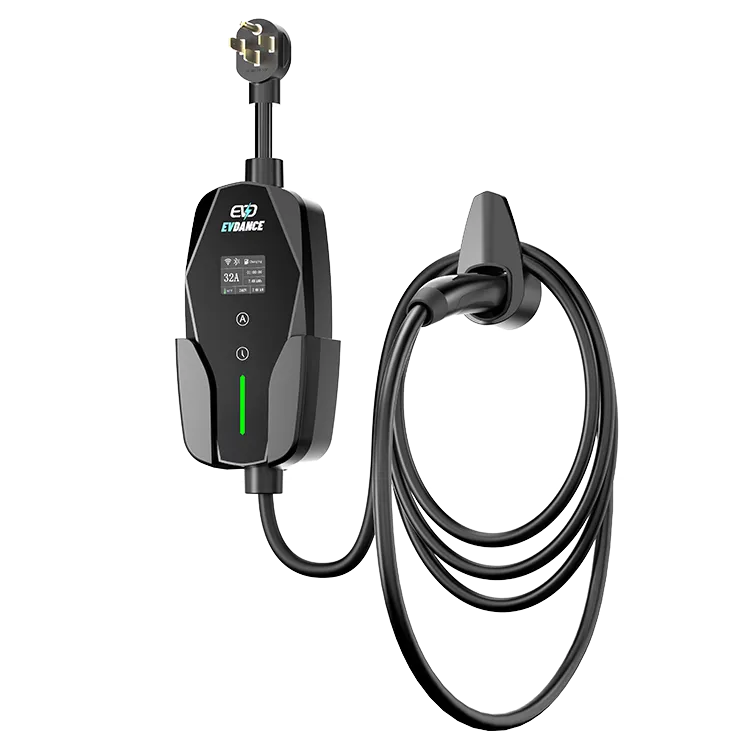
| Images | Rating label, plug, connector, control box |
| Specifications | Clear table matching the datasheet |
4. Packaging and Manuals
Packaging must survive parcel shipping. Include a manual in the local language with safety instructions, current-setting guidance and warranty information. Include a quick-start card showing how to choose the right current for the outlet.
5. Customer Support
Most returns come from wrong expectations: the wrong plug, a circuit that trips, or slow Level 1 charging. Clear listings and fast support reduce returns. Prepare answers to common questions and a simple fault-code guide.
Working With a Manufacturer
EVDANCE supplies OEM and private-label portable chargers such as the EV-ACS4005T and EV-ACS3210T, with MOQ from 50 units, custom plugs, cable lengths and branding. Read our portable EV charger buying guide to see what buyers look for.
Related Reading
- OEM and Private-Label EV Chargers: A Complete Guide for Brands
- FOB vs DDP: How to Import EV Chargers From China Without Surprises
- EV Charger Certifications Explained: CE, UKCA, UL, ETL, CB and What Buyers Should Ask For
- EVDANCE Hits 10,000 Units Sold with New NACS Charging Extension Cable
Key Takeaways
- Collect certification documents for each exact model and market.
- Label ratings, conformity marks and traceability codes correctly.
- Write listings that state plug, connector, power and compatibility.
- Good manuals and support reduce returns.
Sources & Standards
- IEC 62752 — In-cable control and protection device (IC-CPD)
- Directive 2012/19/EU — Waste Electrical and Electronic Equipment (WEEE)
- IEC 61851-1 — Electric vehicle conductive charging system