
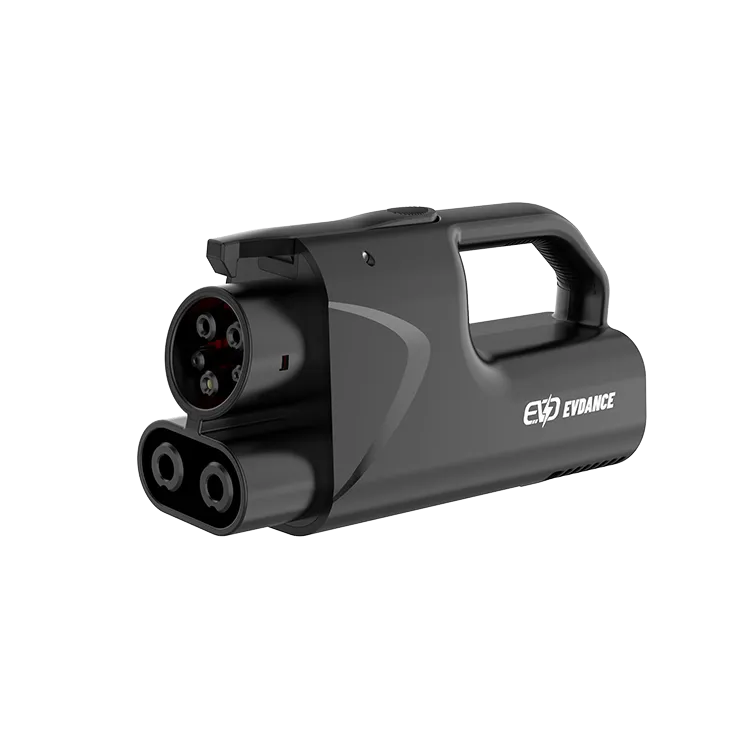
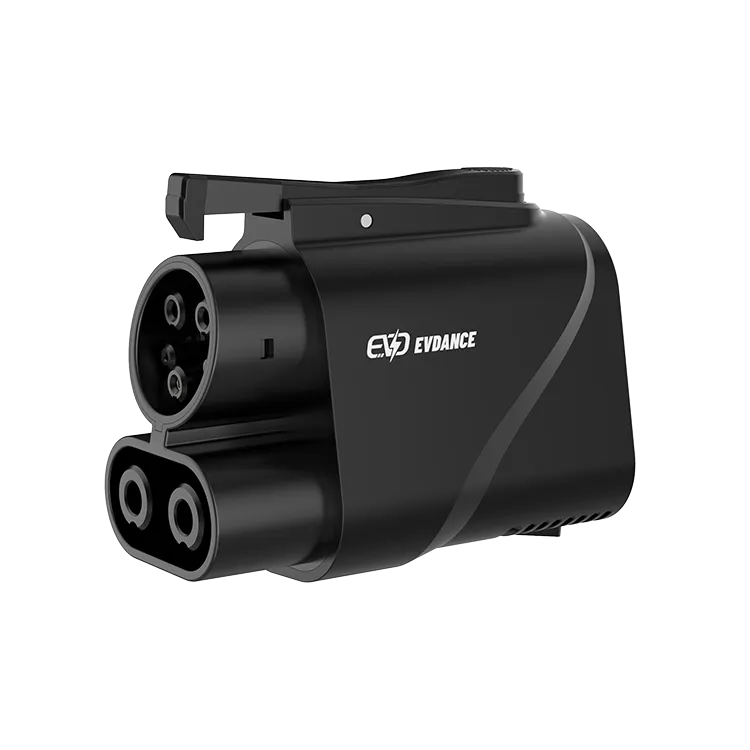
Store a DC charging adapter with its caps fitted, inside a padded pouch, in a dry place in the car where it cannot be crushed or roll around. Caps keep dust, insects and water off the pins; the pouch protects the housing and seals from knocks. The JT08 and JT09 are rated IP66, but clean, dry contacts are still the best protection against heat and interrupted sessions at high current.
Key Takeaways
- Fit caps and use a padded pouch after every session.
- Never seal a wet adapter in its pouch.
- Inspect pins for residue before reuse.
Storage Do’s and Don’ts
| Do | Don’t |
|---|---|
| Fit both caps after every use | Leave pins exposed in a door pocket |
| Use a padded pouch or case | Throw it loose in the boot with tools |
| Keep it in a dry, shaded spot | Store it under a wet mat or in standing water |
| Let it dry before packing if wet | Seal a wet adapter in a pouch |
| Keep it away from oil, salt and sand | Store it next to fluids or de-icing salt |
Where to Keep It in the Car
A frunk, under-floor compartment or a fixed storage box works well. Choose somewhere it will not be hit by luggage or slide around during braking. If you use it often on trips, keep it near the charging cable so you never leave without it. Read portable charger storage for similar advice.
If the Adapter Gets Wet
Rain while connecting is normal and IP66 handles splashes and water jets. Problems start when water stays trapped inside a capped, sealed pouch. After a wet session:
- Wipe the outside dry with a clean cloth.
- Leave the caps off and the faces open in a warm, ventilated place until dry.
- Inspect pins for residue or corrosion before the next use.
- Do not use heat connectors or ovens.
Our guides on charging in the rain and cleaning connectors help.
Replacing Lost Caps
Lost caps are easy to forget. Until you replace them, keep the adapter in a clean, dry pouch on its own and inspect it before each use. Ask your supplier for spare caps. If your adapter came without caps or a pouch, a small padded accessory case does the same job, as long as it is dry inside and big enough that the adapter sits without pressure on the pins.
Long-Term Storage
For months without use, clean and dry the adapter, fit caps, place it in its pouch and store it indoors at room temperature. Inspect it before your next trip. A quick look at the pins, seals and latch before each trip takes only a minute.
The JT08 and JT09 are NACS-to-CCS1 DC adapters rated up to 500 A with IP66 protection; the JT09 adds a handle. Use them only where your automaker approves and the station is open to your vehicle.
Frequently Asked Questions
Do DC adapters need caps if they are waterproof?
Yes. Caps keep dust, grit and insects off the pins, and prevent damage.
Can I store the adapter in a wet pouch?
No. Let both dry fully first; trapped moisture can cause corrosion.
Where is the best place to keep the adapter in the car?
A dry, padded spot where it cannot be crushed or roll around, near your other charging gear.
Related Reading
- How to Store a Portable EV Charger and Its Cable
- Can You Charge an Electric Car in the Rain?
- How to Clean an EV Charger Connector
- Are EV Charging Adapters Safe?

