
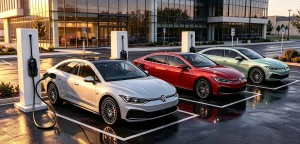
What Connector Do Electric Trucks Use?
It depends on the truck class: pickups and vans use the same CCS1, NACS or Type 2 inlets as cars, while heavy trucks are getting a dedicated connector, MCS.
It depends on the truck class: pickups and vans use the same CCS1, NACS or Type 2 inlets as cars, while heavy trucks are getting a dedicated connector, MCS.
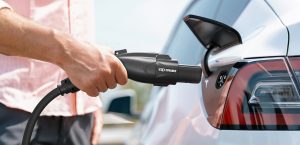
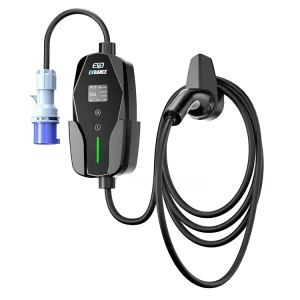
A Mode 2 charging cable is a portable cable with a control and protection box built into it. Here is how to recognise a real one and check it before you buy.
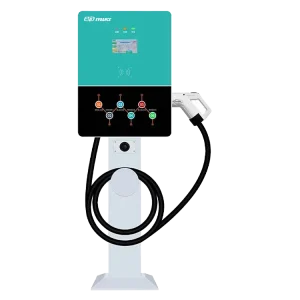
Mode 4 is the IEC name for DC fast charging: the AC-to-DC conversion happens in the station, not the car. Here is what follows from that one fact.
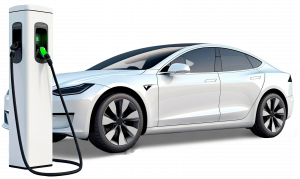
Writing ‘IEC 61851 compliant’ into a charger specification is not enough to buy against. Name the part and edition, and ask for the declaration that proves it.

Yes. The control pilot pin carries no power, only the go-ahead signal — bend, recess or foul it and the car and charger cannot agree, so nothing starts.
A Type 2 plug has seven contacts: three phase pins, neutral, earth, and the CP and PP signal pins. Single-phase charging uses only some of them — here is each one’s job.
Both, and it flips with the charging type: on AC the charger sets a ceiling and the car decides what to draw; on DC the car asks and the charger delivers.
PWM — pulse-width modulation — is how an AC charger states its current limit: the share of each signal cycle spent ‘on’ carries the number the car must stay under.
The resistor in a Type 2 plug is the cable’s rating in code: it declares the cable’s current class to the car. Different class, different coding — here is when to worry.
A coiled EV charging cable is made in a spring shape: it stretches to reach the car, then pulls itself back into a short, tidy helix when you unplug.