
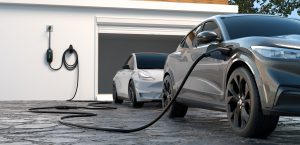
Why Are EV High-Voltage Cables Orange? The Colour That Means Hands Off
Orange is the warning colour for high voltage inside an EV. It marks the battery harness owners must never touch — and explains why your charging cable is a different colour.
Orange is the warning colour for high voltage inside an EV. It marks the battery harness owners must never touch — and explains why your charging cable is a different colour.

Your EV’s traction pack is never yours to dispose of — dealers and manufacturers take it. The 12-volt battery is different: here is where its old one goes.
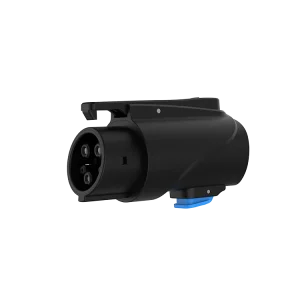
A J1772 adapter is a one-way AC bridge: it lets a car with a NACS inlet charge from J1772 stations and wallboxes. Here is what it does, and its limits.
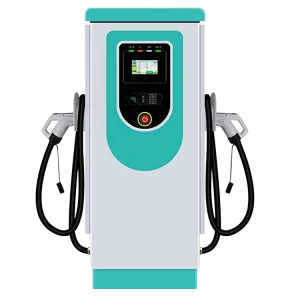
OpenADR is the open standard that carries demand-response signals from utilities to sites and charging systems. Here is where it sits in the standards stack — above OCPP.
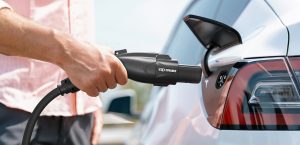
A plug-in hybrid can top up its battery from the engine and the brakes, but self-charging alone can never refill it. Here is the energy maths behind that.

Yes, when a pack’s lost capacity sits in a few failed modules: a specialist can replace them and rebalance the pack. Even age-wide wear is a different story.
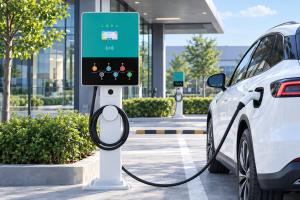
Without a driveway you cannot install your own charger, but you can ask your council for a kerbside charge point. Here is what that request can and cannot do.
IEC 60364 is the international wiring standard behind national codes like the NEC and BS 7671. Here is what it covers and why your installer, not you, works to it.
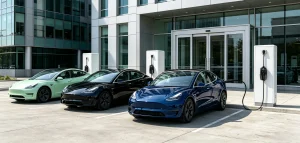
Many station and park-and-ride car parks have Level 2 chargers that suit an all-day park. Check your station’s bays, payment and time limits before relying on one.
Peak shaving caps the highest power a charging site pulls from the grid, using a battery, charger power limits or scheduling. It targets the demand peak, not total energy.