
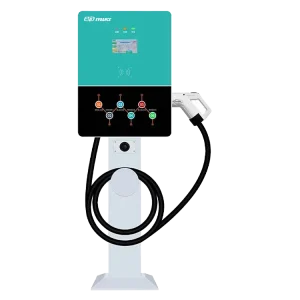
EV Charger Components Explained: Relays, Contactors, RCD Modules and Meters
Relays, contactors, RCD modules and meters: the four component families that switch, protect and measure inside an EV charger, explained for buyers.
Relays, contactors, RCD modules and meters: the four component families that switch, protect and measure inside an EV charger, explained for buyers.

Relay or contactor? Both switch power in an EV charger — the choice is duty: rated current, breaking load, operations per day, and AC versus DC arcs.
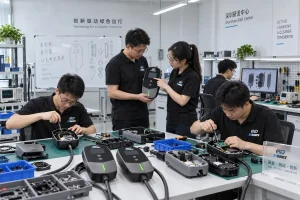
A welded contactor cannot cut power, and every other protection acts through it. How chargers detect a stuck-closed switch — and the four questions buyers should ask.
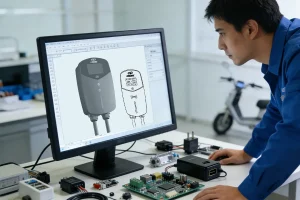
Buying an RDC-DD module for a charger design: why the tested device (IEC 62955) is not a bare sensor, what to specify, and what evidence to demand.
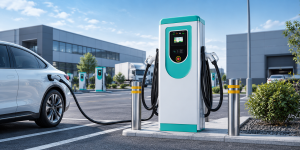
Billing decides the meter: when session energy is resold, specify an approved meter (MID in the EU system), the right accuracy class, and the certificate — in writing.
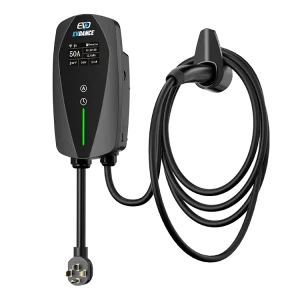
PC, ABS, blends, ASA or aluminium? The housing choice turns on impact, sun and heat — and UV resistance lives in the exact resin grade, not the family name.
IP65 and IP66 are built, not printed: gaskets, glands matched to the cable, sealed seams — then the whole assembled charger is dust- and jet-tested. Here is how.
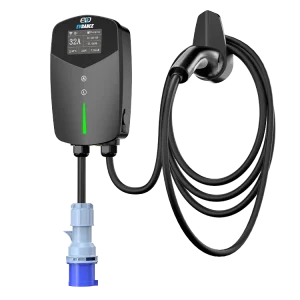
An IK test strikes a mounted charger housing with a calibrated hammer — 5 J for IK08, 20 J for IK10 — then checks for cracks and probe access. What labs do, step by step.
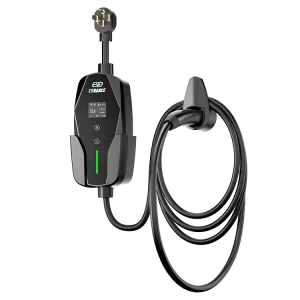
A 32 A charger runs at full current for hours inside a sealed IP-rated box. How thermal design moves that heat out — and the test evidence a buyer should ask for.
Conformal coating seals a charger’s circuit board against moisture, dust and salt air. When the added process earns its cost — and when it does not.