
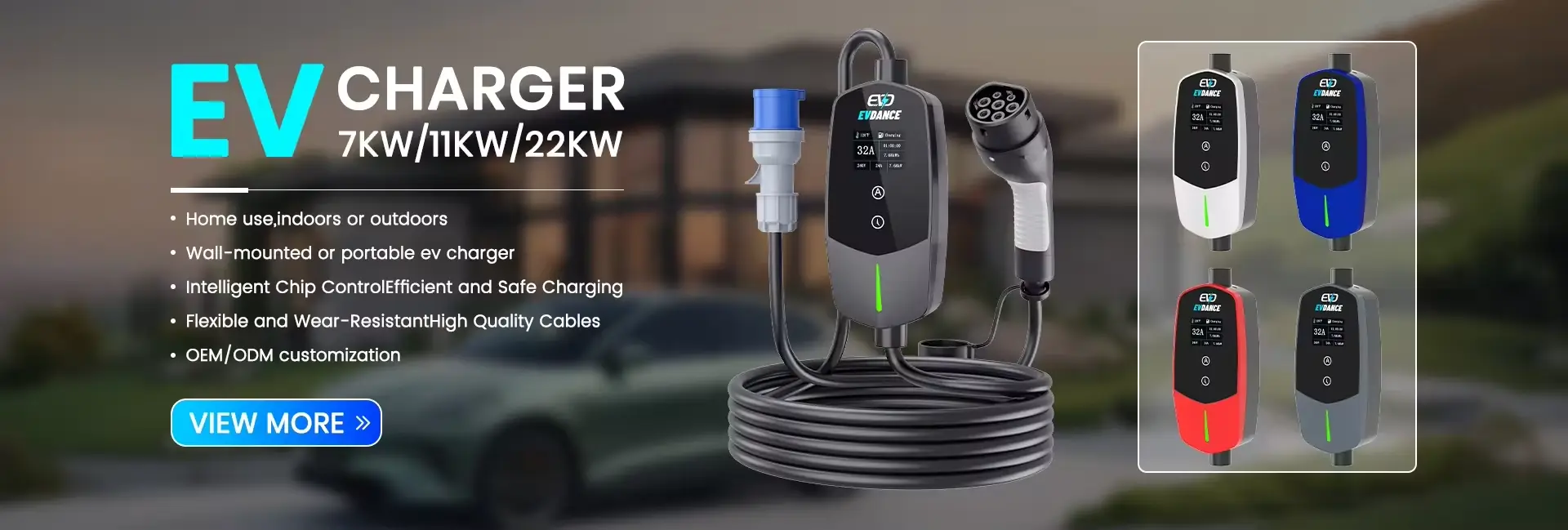
The best home EV charger is the one that matches your car’s onboard charger, fits the circuit your panel can support, is rated for where it will be mounted, and comes with clear documentation and a warranty you can actually use. Brand rankings change every year; these criteria do not. This checklist sets out what to compare, in order of importance, and how installers and resellers can use the same list to choose models to stock.
Key Takeaways
- Match charger power to the car: extra kW the car cannot accept is wasted money.
- Match the charger to the circuit: plug-in units top out at 40 A; 48 A needs hardwiring.
- Check safety certification for your market on the specific model, not just the brand.
- Outdoor rating, cable length and adjustable current matter more day to day than app features.
- For resellers: warranty process, spare parts and manuals are part of the product.
The Best Home EV Charger Checklist
| # | Criterion | What to look for | Why it matters |
|---|---|---|---|
| 1 | Power vs. your car | Charger kW ≥ car’s onboard charger kW | The car sets the real charging speed |
| 2 | Power vs. your panel | Adjustable current; 125% circuit sizing | Avoids an unneeded panel upgrade |
| 3 | Connector | NACS or J1772 to match the car | Avoids adapters for daily use |
| 4 | Safety certification | The listing your market requires, on that exact model | Needed for permits, inspection and insurance |
| 5 | Enclosure rating | NEMA 4 / IP65–IP66 for outdoors | Rain, dust, hosing down a driveway |
| 6 | Cable | Around 25 ft, with a holster or hook | Reaches the port without strain |
| 7 | Installation type | Plug-in (up to 40 A) or hardwired | Sets the circuit and the cost |
| 8 | Smart features | Scheduling, usage history, firmware updates | Off-peak charging lowers cost |
| 9 | Load management | Built-in or optional | Two EVs, or limited service |
| 10 | Warranty and support | Length, who handles claims, spare parts | What happens if a unit fails |
Power: Match the Car First
Many cars accept 7.2–11.5 kW on AC. A 40 A (9.6 kW) charger fully serves a car with a 7.2 kW or 9.6 kW onboard charger; only cars that accept 11 kW or more benefit from 48 A. See how many kW a Level 2 charger delivers and the Level 2 home charger guide.
Installation: Match the Circuit
The circuit must be 125% of the charger’s current. If your panel can only spare a 40 A circuit, a charger that can be set to 32 A is the best choice for your home — whatever its maximum. The Level 2 installation guide covers sizing and permits.
Safety and Build Quality
Check that the specific model carries the safety listing required where you live, and ask to see it if it is not printed on the unit or datasheet. Beyond that, a sealed enclosure, a strain-relieved cable and good heat management make a charger last. Read what makes a home EV charger reliable.
Smart Features: Useful vs. Nice to Have
Scheduling is the feature most owners use, because it shifts charging to cheaper hours. Usage history helps with expense claims. Remote start, voice assistants and energy dashboards are optional. See what is a smart home charger and which features matter most.
Tethered or Socketed?
North American home chargers are almost always tethered (cable attached). In Europe, socketed wallboxes are common at shared sites. See tethered vs socketed wallbox chargers.
For Installers and Resellers: Using the Checklist to Stock
The same list works for choosing a range. Most installers and distributors cover the market with two or three models: an adjustable 40 A plug-in, a 48–50 A hardwired unit, and both connector types. Then add items 4 and 10 from the supplier side — certification for each market you sell into, and a clear warranty and spare-parts process. Our manufacturer and supplier guide lists the questions to ask.
EVDANCE models that cover these positions: EV-ACT4001T/U (6–40 A adjustable, NEMA 14-50 plug, NEMA 4/IP66), EV-ACT5002T/U (up to 50 A hardwired) and EV-ACT5006T (48/50 A, hardwired or plug-in). All are available under your own brand through our OEM & ODM service.
Frequently Asked Questions
Is the most expensive home charger the best?
Not necessarily. Price often reflects brand and app features. The checklist items that affect safety and daily use — rating, certification, enclosure, cable — are what to compare first.
Should I buy a 48 A charger to be future-proof?
Only if your panel can support a 60 A circuit. An adjustable charger set to the current your circuit allows is a sensible middle ground.

