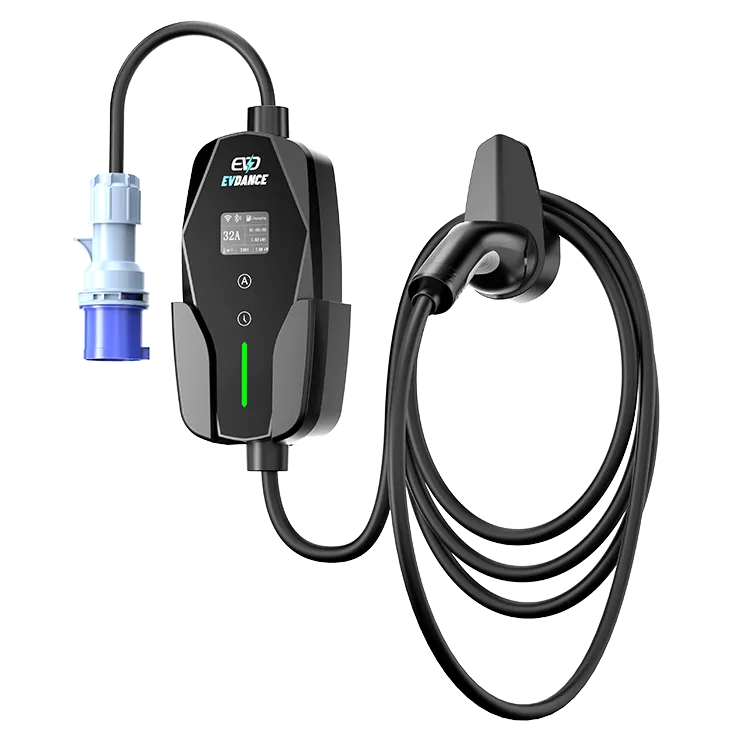
For most drivers, when a car charges matters more than how fast. A car parked overnight for ten hours needs only a few hours of charging, and choosing which hours can change the cost of every session. Smart charging is the combination of hardware and software that makes that choice automatically.
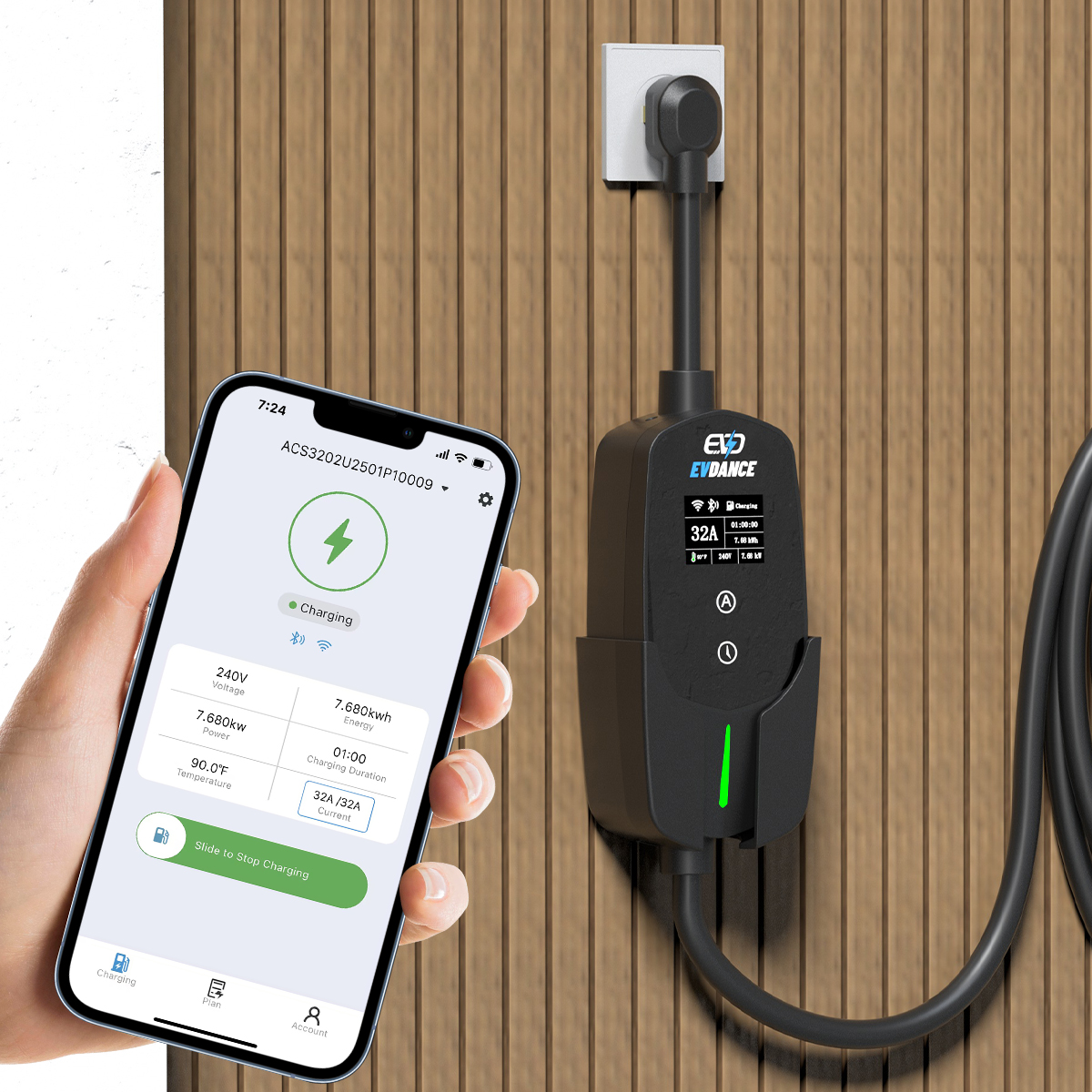
What Makes a Charger “Smart”
- Wi-Fi, Ethernet or 4G connectivity
- An app or platform to set schedules and view sessions
- Adjustable charging current
- Load balancing with the home or building supply
- Remote firmware updates
- Optionally, integration with energy supplier platforms and solar systems
Time-of-Use and Dynamic Tariffs
Many electricity suppliers now offer tariffs with cheaper night-time rates, and some pass through hourly wholesale prices. In Denmark and other Nordic markets, hourly pricing is widespread. A charger that follows a schedule, or responds to price signals, charges in the cheapest window without the driver doing anything.
Rules That Require Smart Features
Some markets now require smart functions by law. In Great Britain, private charge points sold for homes and workplaces must meet the Electric Vehicles (Smart Charge Points) Regulations 2021. In Germany, §14a EnWG allows grid operators to reduce the power of controllable devices such as wallboxes above 4.2 kW in exchange for lower grid fees. Our UK and German pages cover the details.
Charging From Solar
Homes with solar panels can charge from surplus generation during the day. Adjustable current lets the charger follow solar output, and scheduling lets it top up from the grid at night if needed. In markets with unreliable grids, such as South Africa, this is a major selling point.
Choosing Smart Hardware
Look for app scheduling, adjustable current down to low levels, load balancing and a white-label app if you sell under your own brand. The EVDANCE EV-ACS3210E offers Wi-Fi app control, scheduling, dynamic load balancing and OTA updates, and our wallbox home charger guide compares smart options.
Related Reading
- What Is Dynamic Load Balancing, and Why Does Your Wallbox Home Charger Need It?
- Solar Panels and EV Chargers: How to Charge Your Car With Sunshine
- EV Charging News: UK Project Aims to Let Drivers Use Their Home Tariff at Public Chargers
Key Takeaways
- Smart charging shifts charging into the cheapest hours automatically.
- Time-of-use and hourly tariffs make scheduling increasingly valuable.
- Some markets, including Great Britain and Germany, now require or reward smart functions.
- Adjustable current and scheduling let chargers work with solar and limited supplies.
Sources & Standards
- The Electric Vehicles (Smart Charge Points) Regulations 2021 (Great Britain)
- Energiewirtschaftsgesetz (EnWG) §14a — controllable consumption devices (Germany)