
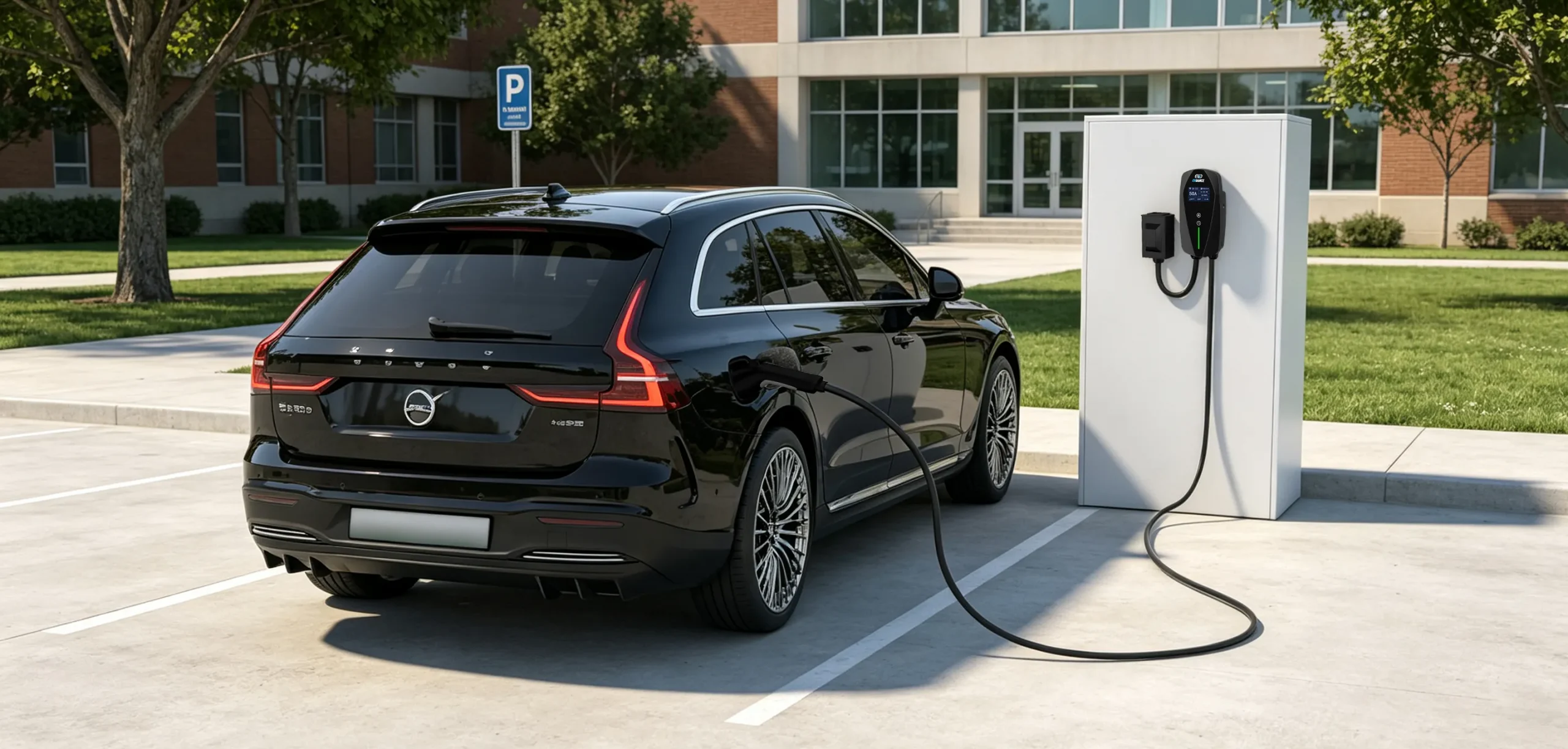
Schools and colleges usually need two kinds of charging: AC chargers for staff and visitor cars that park all day, and depot charging for electric minibuses or buses. EVDANCE’s wallboxes and dual-connector AC stations suit staff parking, and its compact 22 kW DC charger can help with minibuses or quick turnarounds. Full-size electric school buses often need higher-power or manufacturer-specified depot equipment, so confirm requirements with the bus maker before planning.
Key Takeaways
- AC charging with RFID suits staff parking.
- Minibuses can often share depot AC infrastructure.
- Full-size buses need manufacturer-specified chargers.
- Keep chargers away from pupil routes.
Charging Needs on Campus
| User | Typical parking | Suggested approach | EVDANCE options |
|---|---|---|---|
| Teaching and support staff | All day | AC wallboxes or stations with RFID | EV-ACT3204E, EV-AC03201T, EV-ACT5006T in North America |
| Visitors and parents | 1 to 3 hours | A few AC bays near reception | EV-AC03201T dual-connector station |
| Minibuses and vans | Overnight, plus midday breaks | Depot AC charging, optional compact DC | EV-AC03201T, EV-RHDC30K-L |
| Full-size buses | Overnight depot | Manufacturer-specified depot chargers | Confirm with bus maker |
Staff Charging Is the Easy Win
Staff park for six to eight hours, so moderate AC power is enough. RFID cards control access and allow per-user energy records if the school charges for electricity or reports it as a benefit. Load management lets many bays share limited capacity. Read planning a workplace program and RFID management.
Minibuses and Buses
Electric minibuses and vans often accept AC and CCS DC charging. Overnight AC charging covers most school runs; a compact DC unit can top up between morning and afternoon routes. Larger buses have bigger batteries and specific charging requirements, which the manufacturer specifies. Coordinate depot design with the bus supplier, utility and an electrician. Ask early about the grid connection, because bus depots can need far more capacity than a staff car park, and utility upgrades take time. Our guide on fleet depot charging covers sizing.
Safety on School Sites
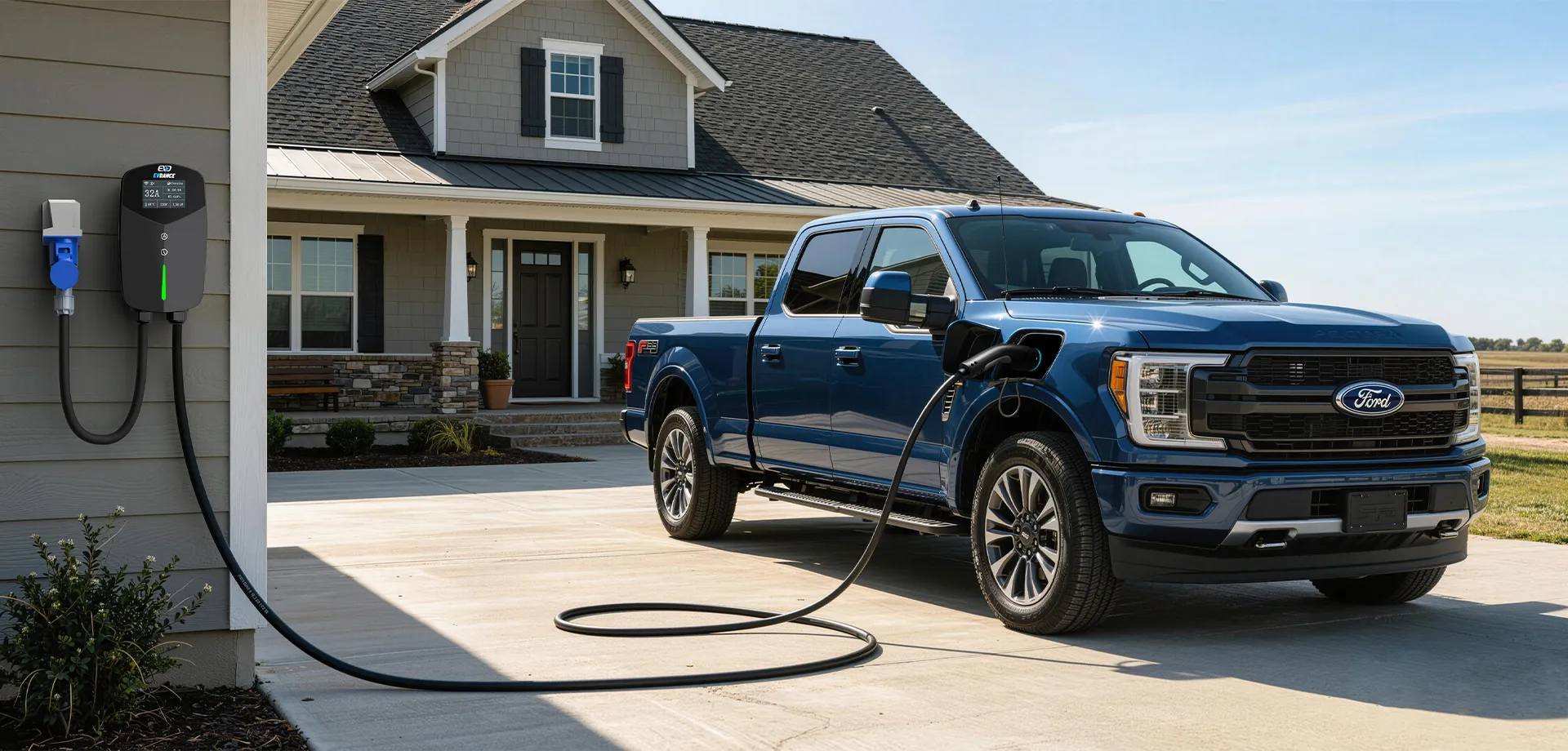
- Place chargers away from pupil walking routes and drop-off zones.
- Use holsters and tethered cables of sensible length so cables do not cross paths.
- Protect pedestals with bollards and light the bays well.
- Use RFID or app access so only authorised users start sessions.
Funding and Procurement
Public schools often buy through formal procurement and may be eligible for public funding programmes. Check current programmes in your area and the documentation they require. Read claiming charger grants for general guidance. Charging can also support teaching: some colleges use session data and energy reports in engineering or sustainability courses, which adds value beyond the car park.
EVDANCE supports education projects with factory-direct supply and a 3-year standard warranty through its commercial team.
Frequently Asked Questions
What chargers should a school install for staff?
AC wallboxes or dual-connector stations with RFID access usually suit all-day staff parking.
Can school buses use the same chargers as staff cars?
Minibuses and vans often can. Full-size buses usually need manufacturer-specified depot equipment.
How do schools keep chargers safe around pupils?
Keep chargers away from walking routes, manage cables and protect units with bollards.
Related Reading
- How to Plan a Workplace EV Charging Program
- RFID and User Management for Shared EV Chargers
- Fleet Depot Charging: How to Size AC Chargers for Vans and Light Commercial Vehicles
- How Do I Claim My EV Charger Grant? UK, Ireland and US Explained

