
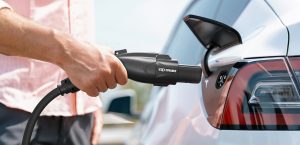
Are EV Chargers Universal?
EV chargers are not all universal: connectors differ by region and between NACS and J1772. How compatibility works and how adapters bridge the gaps.
EV chargers are not all universal: connectors differ by region and between NACS and J1772. How compatibility works and how adapters bridge the gaps.
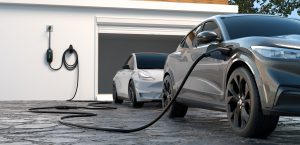
Tesla home chargers and many Superchargers can charge other EVs with the right connector or adapter. What works, what needs an adapter and what to check.
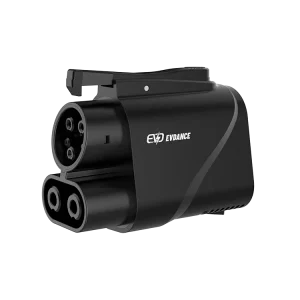
Yes, Tesla’s connector is NACS, standardized by SAE as J3400. What that means for Tesla owners, other EV drivers and charger buyers.
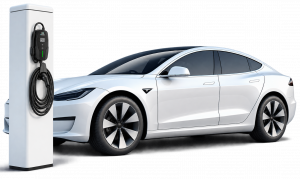
A Level 2 charger needs 208–240 V. On a 110–120 V outlet it either will not work or works only as a Level 1 charger. Here is why and what to do.
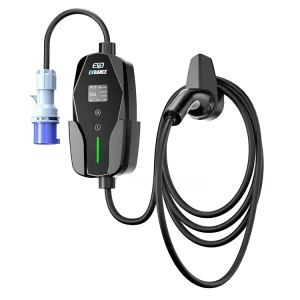
Only if the charger is designed for dual voltage and uses an approved plug adapter. Why mismatched plugs and homemade adapters are dangerous.
Level 1 charging does not harm EV batteries; slow charging is gentle. Where Level 1 falls short is speed and efficiency, not battery health.
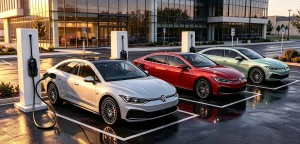
Level 1 charging is slightly less efficient than Level 2 because the car’s electronics run for longer. How big the difference is and when it matters.
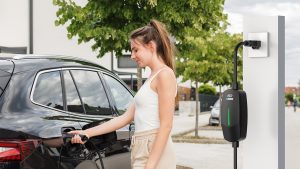
Level 2 home charging is gentle on EV batteries. What really affects battery life and how to charge for the long term.
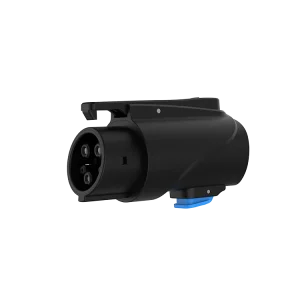
Leaving an EV charger plugged into the car and the wall is safe and normal. What happens when the car is full and when to unplug.
Why a Level 1 EV charger should have its own 120 V circuit, what happens on a shared circuit, and how to check yours.