
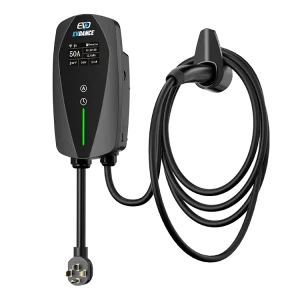
How Many Amps Does an EV Charger Need?
EV chargers draw 12 A on Level 1 and 16–48 A on Level 2. How to choose the current, the circuit it needs and what speed you get.
EV chargers draw 12 A on Level 1 and 16–48 A on Level 2. How to choose the current, the circuit it needs and what speed you get.
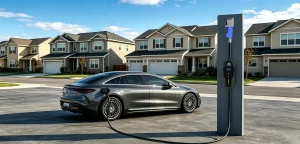
The breaker for an EV charger must be 125% of the charging current: 40 A for 32 A, 50 A for 40 A, 60 A for 48 A. A full sizing chart and wire notes.
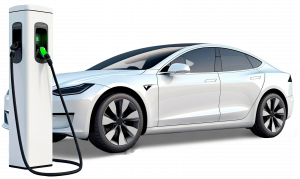
The size of EV charger your home can take depends on your electrical panel’s spare capacity. How load calculations work and what to do if capacity is tight.
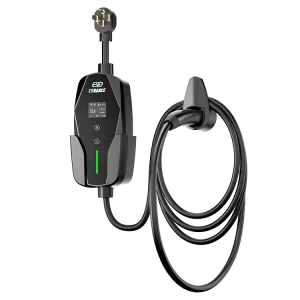
Yes, if the charger has the right plug and is set to 24 A on a 30 A dryer circuit. Plug types, current limits and the safe way to share a dryer circuit.
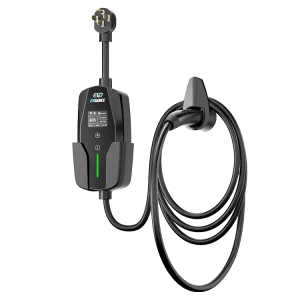
Yes, every EV can charge from a regular household outlet with a Level 1 cable. How fast it is, what outlet to use and when it is enough.
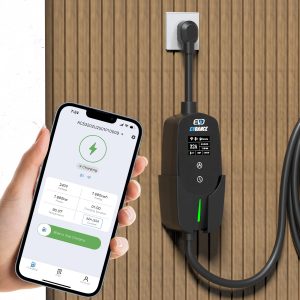
Home EV chargers charge without Wi-Fi. What a connection adds, when it is required, and what happens if the internet goes down.

A quality home EV charger can be expected to last many years. What wears out first, how warranties compare, and how to extend its life.
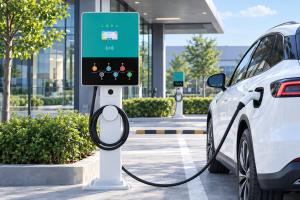
Choose a Level 2 home charger in seven steps: connector, power, circuit, plug-in or hard-wired, certification, smart features and warranty.
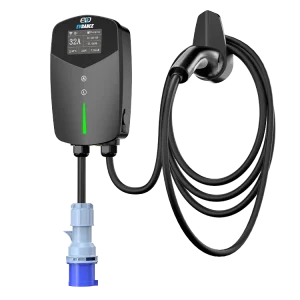
A home EV charger is a smart, safe switch between your electrical supply and the car. How the handshake, the on-board charger and safety checks work.
When a Level 2 home charger pays off, when Level 1 is enough, and the costs to weigh before you buy.