
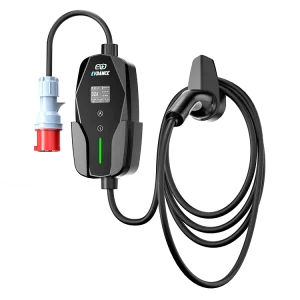
EV-ACS3205PE First Use Guide: Plugging In a Three-Phase Portable
First use of the EV-ACS3205PE is a plug-in sequence: the right CEE socket, both plugs seated, and the car’s own display confirming the session. No wiring, no setup menu.
First use of the EV-ACS3205PE is a plug-in sequence: the right CEE socket, both plugs seated, and the car’s own display confirming the session. No wiring, no setup menu.
Between jobs, the EV-ACS3205PE lasts longest coiled wide, covered at both ends, dry at base and secured in the vehicle. The routine that protects its cable and plugs.
At up to 22 kW, the EV-ACS3205PE turns most rental returns around inside the booking window. The between-hires routine: inspect on return, charge to your policy level, log it.
In the paddock it is the support vehicles that need charging. The EV-ACS3205PE travels with the team and tops them up between sessions where a 32A CEE point exists.
The EV-ACS3205PE sheet in plain terms: 380-400 V is the three-phase supply class, 32 A is per phase, Type 2 is the car side – and the missing lines matter too.
The EV-ACS3205PE fits a holiday park only where a pitch offers a 32 A five-pin CEE outlet on three phases – the exception among pitch supplies, tested pitch by pitch.
For a site with an end date, fixed points spend their cost on ground you hand back. The EV-ACS3205PE spends it on one socket – the operator’s decision, factor by factor.
Heavy-use sites get one warranty fact – EVDANCE’s 3-year standard term – and three written questions. The rest is a care roster: named checker, set rhythm, stop signs.
A 22 kW portable charger can support minibuses and smaller buses that dwell overnight: at about 20 kWh stored per hour, the window decides. Route turnarounds stay DC work.
Each EV-ACS3205PE draws 32 A per phase at full rate, so the count is your supply’s spare per-phase capacity divided by 32 – set by an electrician’s load calculation.